
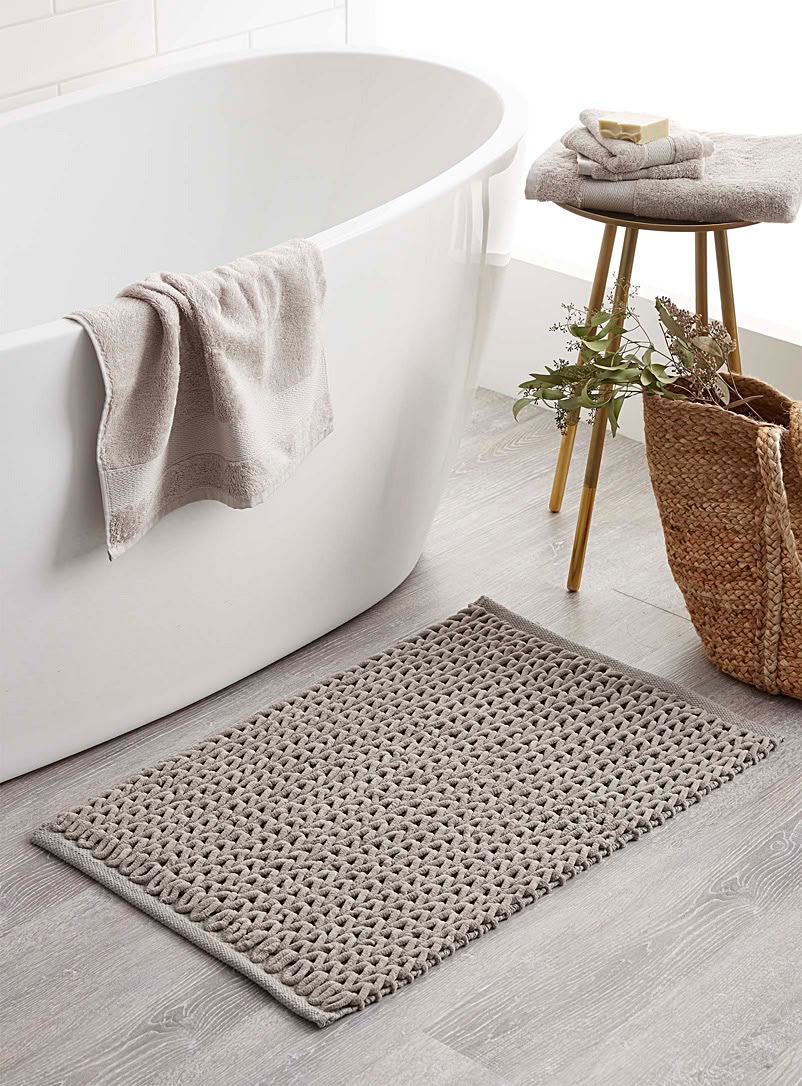
Say Goodbye to Grime and Hello to Freshness!
Your bath mat is a true unsung hero of the bathroom. It absorbs moisture, keeps your floors dry, and provides a soft, warm place for your feet after a shower. But given its job—living in a humid environment and collecting water, skin cells, and dirt—it needs regular cleaning.
The big question we hear all the time at More Textiles is: “Can I just toss my bath mat in the washing machine?”
The short answer is: Yes, absolutely—but you must do it correctly!
Washing your bath mat is the best way to keep it fresh, hygienic, and looking its best for years to come. Here is your definitive guide from the textile experts.
🧵 Step 1: Check the Care Label! (The Most Crucial Step)

Before you do anything else, always consult the care label. This small, often-ignored tag holds the key to your mat’s longevity.
- Cotton, Microfiber, and Chenille Mats: These are almost always machine washable and can handle a gentle cycle.
- Rubber/Non-Slip Backing: This is the most critical element.
- Good News: Most modern non-slip backings (especially those made of high-quality PVC or rubber polymers) are designed to withstand machine washing.
- Caution: Older or cheaper mats might have backings that crack, peel, or disintegrate in the wash, clogging your machine. If the backing is flaking or stiff, consider hand washing or replacing it.
🧺 Step 2: Preparing Your Mat for the Wash
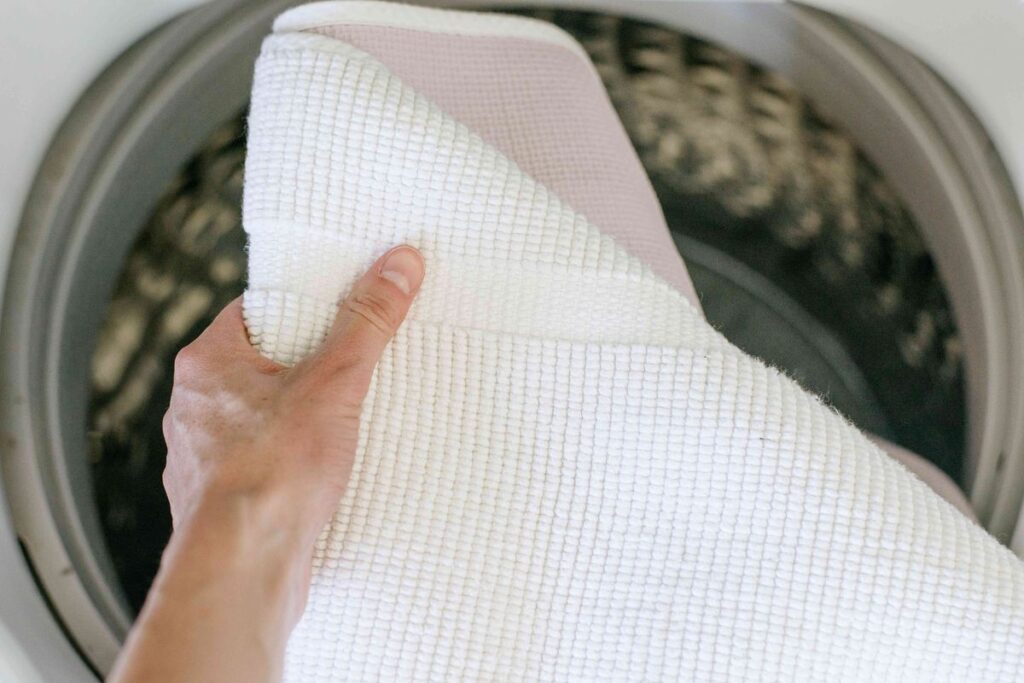
A little prep goes a long way!
Shake it Out!
Take your mat outside and give it a good, vigorous shake. This removes loose hair, dirt, and dust, preventing them from ending up in your washing machine filter.
Spot Treat Stains
If there are any specific spots (like makeup or mildew), gently pre-treat them with a mild detergent or an oxygen-based laundry booster. Avoid harsh chemicals like bleach, which can damage fibers and the rubber backing.
🧼 Step 3: The Ideal Washing Machine Settings
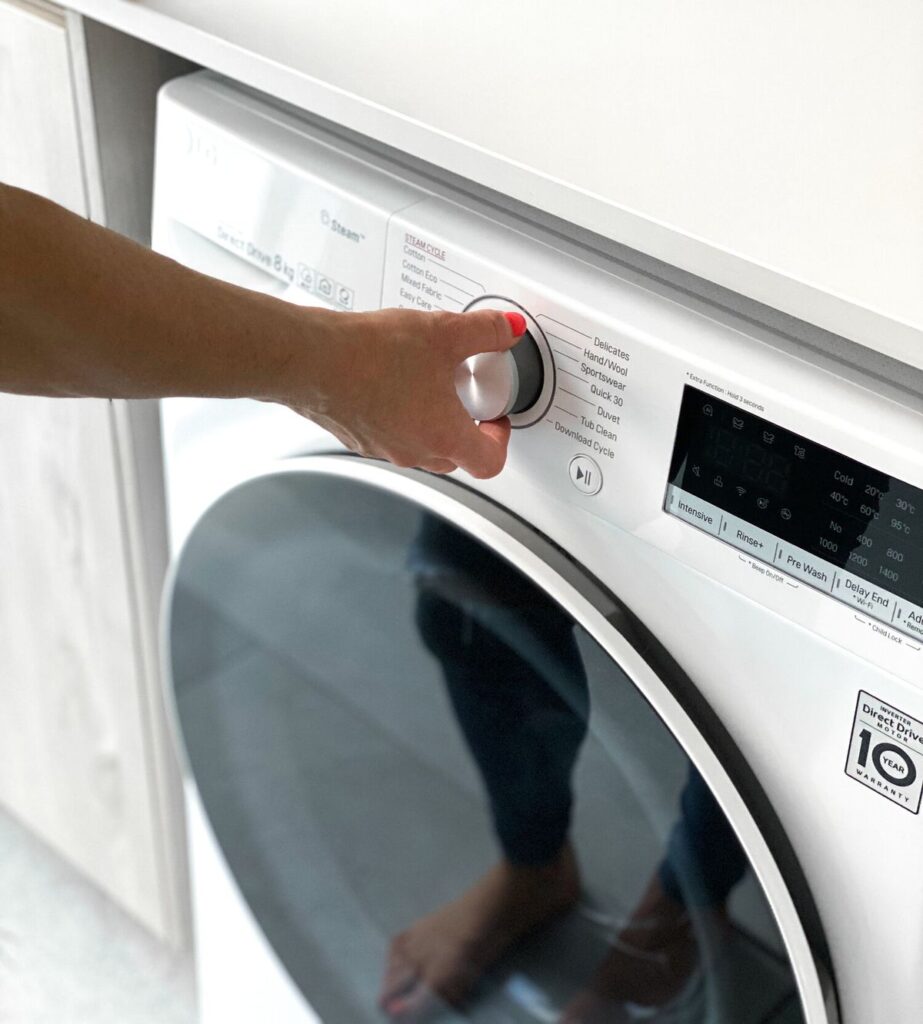
Follow these settings to protect the mat’s fibers and the non-slip backing:
| Setting | Recommendation | Why? |
| Water Temperature | Cold or Warm | Hot water is the #1 enemy of the non-slip backing, causing it to break down and crack prematurely. |
| Wash Cycle | Gentle or Delicate | Reduces friction and agitation, protecting the fibers and preventing the backing from peeling off. |
| Detergent | Mild Laundry Detergent | Use a normal amount. Avoid excessive use of fabric softener, which can reduce the mat’s absorbency over time. |
| Load Size | Wash Separately | It’s best to wash bath mats by themselves or with other similar items (like towels) to prevent lint transfer and ensure a thorough clean. |
🌬️ Step 4: Drying Your Bath Mat (The Second Most Crucial Step)
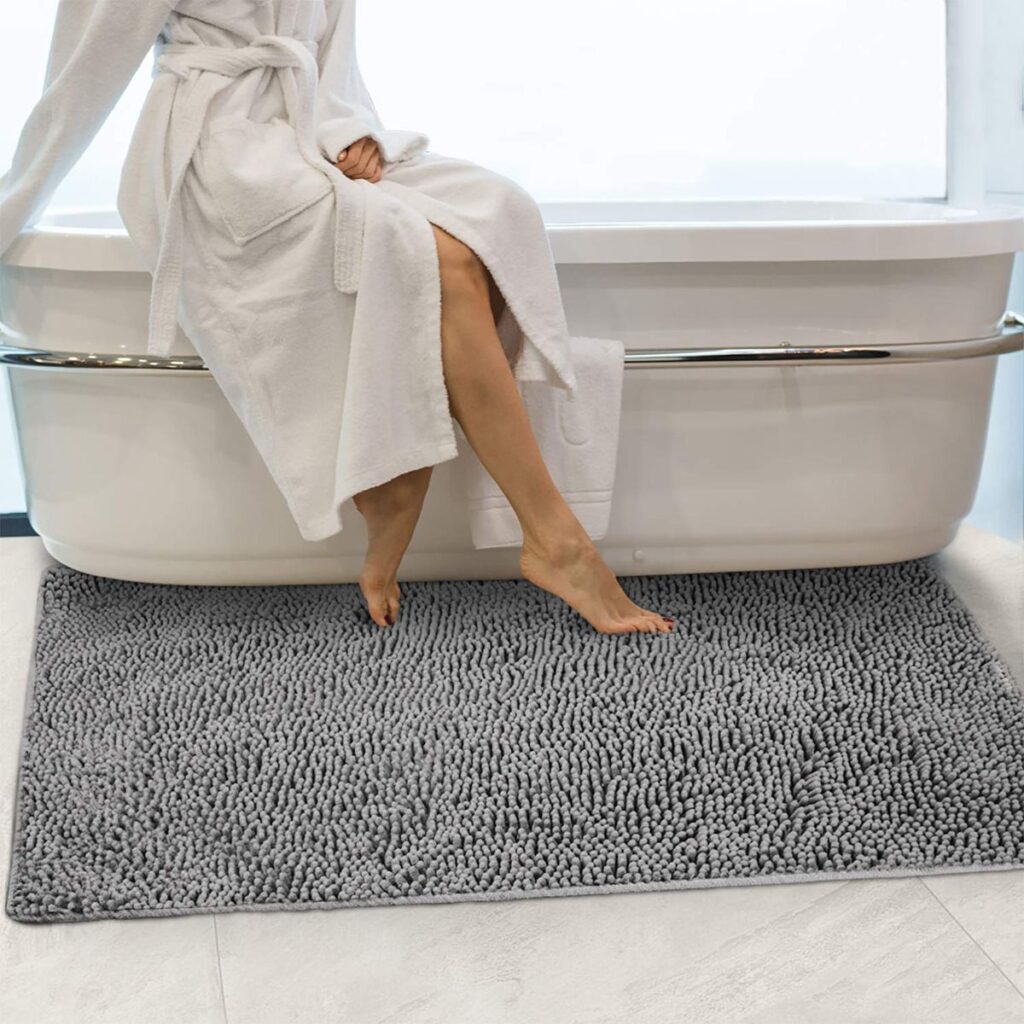
This is where many people make a mistake. Heat is destructive to the mat’s backing.
✅ Best Option: Air Dry (Recommended by More Textiles)
Hang the mat over a clothesline, shower rod, or balcony railing. Allow it to air dry completely, ideally in a well-ventilated space, before putting it back in the bathroom.
⚠️ If You Must Tumble Dry:
- Use the Lowest Heat Setting (or Air Fluff/No Heat).
- Remove the mat while it is still slightly damp.
- Lay it flat to finish air drying.
Never use high heat, as it will permanently damage the rubber backing, making it stiff and ineffective.
💚 The More Textiles Takeaway
Keeping your bath mat clean is easy and essential for a healthy home. As long as you follow the golden rules—Check the label, use cold/warm water, select the gentle cycle, and always air dry—your mat will remain a soft, safe, and hygienic fixture in your bathroom for years!
Looking for a new, ultra-absorbent, and easy-to-wash bath mat? Explore our latest collection of premium microfiber and 100% cotton mats at More Textiles!
Need More Textile Advice?
- How often should I wash my mat? Experts recommend once a week to every two weeks.
- My mat smells mildewy! Add about $1/2$ cup of white vinegar to the wash cycle to naturally deodorize and combat mold spores.