
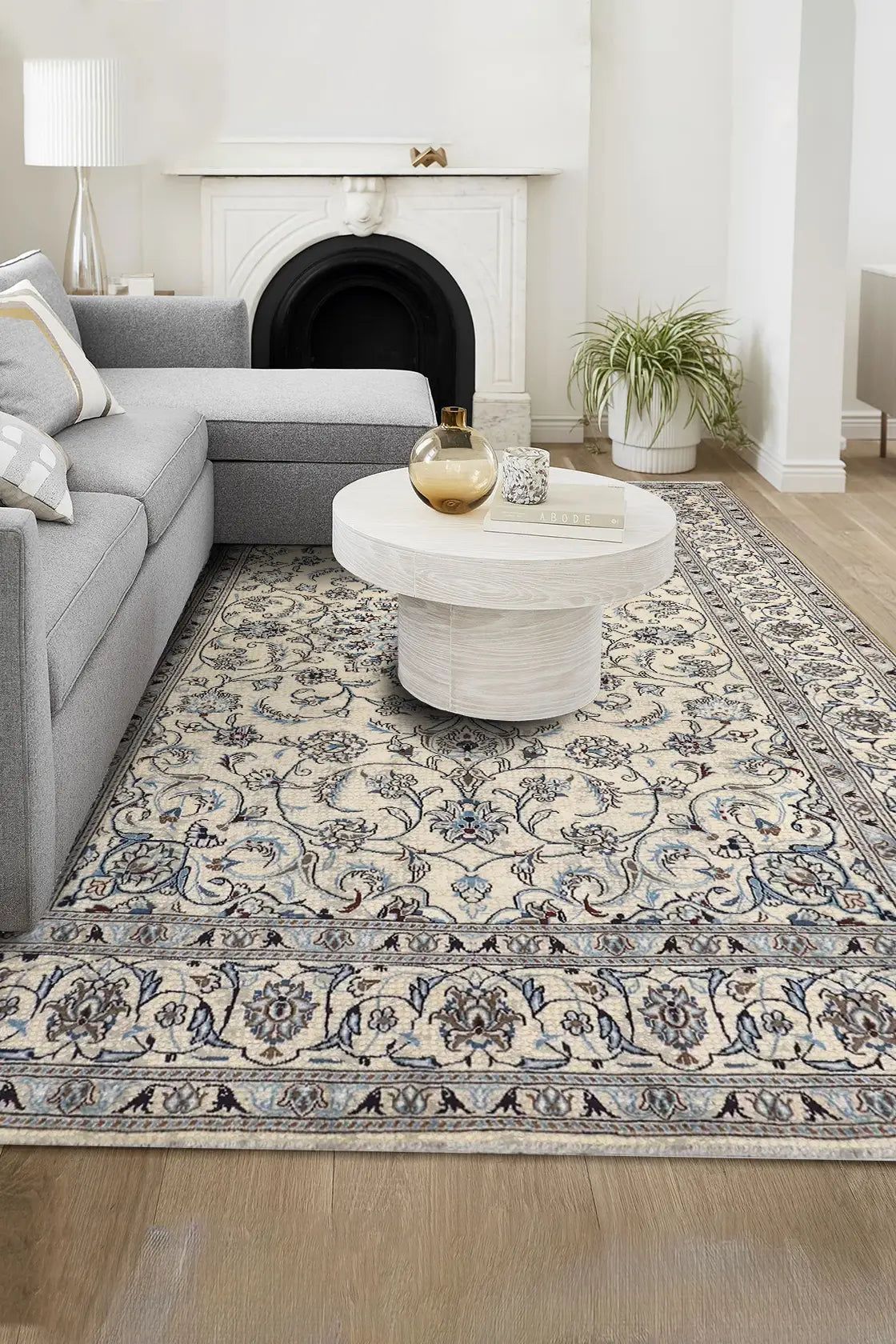
If you have ever looked at a room and felt something was missing—the warmth, the soul, the magic—an antique textile rugs is exactly that missing piece. These are 80–100+ years of artistry, symbolism, and hand-knotted mastery, carrying stories that modern decor simply can’t imitate. Whether searching for antique rugs for living room elegance, antique rugs for bedroom warmth, or effortlessly stylish ideas for decorating with antique textiles, you are about to unlock the guide the internet wishes it wrote.
If you have ever fallen in love with a space and later realized the secret was an antique rug, welcome to the club. Antique textiles and carpets carry a magnetic charm: they are warm, storied, luxurious, and impossibly timeless. They whisper history into contemporary homes. They make even minimal spaces look curated and often feel more expensive without trying too hard.
This is your definitive guide to decorating with antique rugs, choosing the right pieces, and styling them in the living room, bedroom, kitchen, and beyond. Let’s elevate your space to look like it belongs on the cover of a design magazine.
What Defines Antique Textiles (Rugs)?
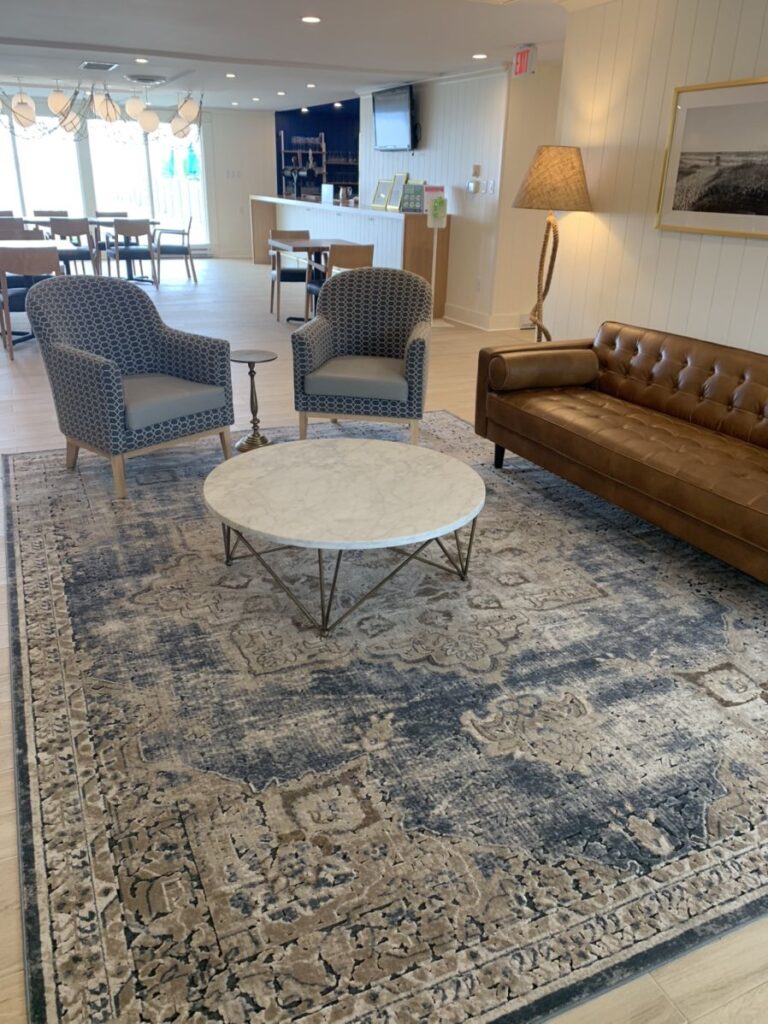
Antique rugs are hand-knotted carpets that are at least 80–100 years old, made using natural materials like wool or silk, and crafted by master weavers using traditional, culturally significant techniques.
They are authentic pieces of art, often created before the era of mass production. That’s why antique textiles are valued not just for their appearance, but for their history, craftsmanship, durability, and character.
Antique vs. Vintage vs. Modern Textiles
When decorating with hand-crafted textiles, it’s essential to understand the difference between categories.
| Category | Typical Age | Key Characteristics | Value |
| Antique Rugs | 80–100+ years old | Always hand-knotted by artisans using time-honored techniques. Dyed with natural, organic dyes. Features cultural and historical motifs. | Holds the highest collectible value due to rarity and craftsmanship. |
| Vintage Rugs | 30–80 years old | Durable, well-crafted pieces. Often more accessible than antique pieces. Motifs may reflect slightly modernized interpretations of traditional patterns. | Excellent quality and stands the test of time. |
| Modern Rugs | Recently woven | Can be hand-knotted or hand-tufted. Reflect contemporary manufacturing. Designer rugs often draw inspiration from antique designs. | Contemporary design and manufacturing timelines. |
If you desire character, a beautiful patina, soul, and a true story, antique rugs are the gold standard for your floor textiles.
How to Identify an Authentic Antique Rug
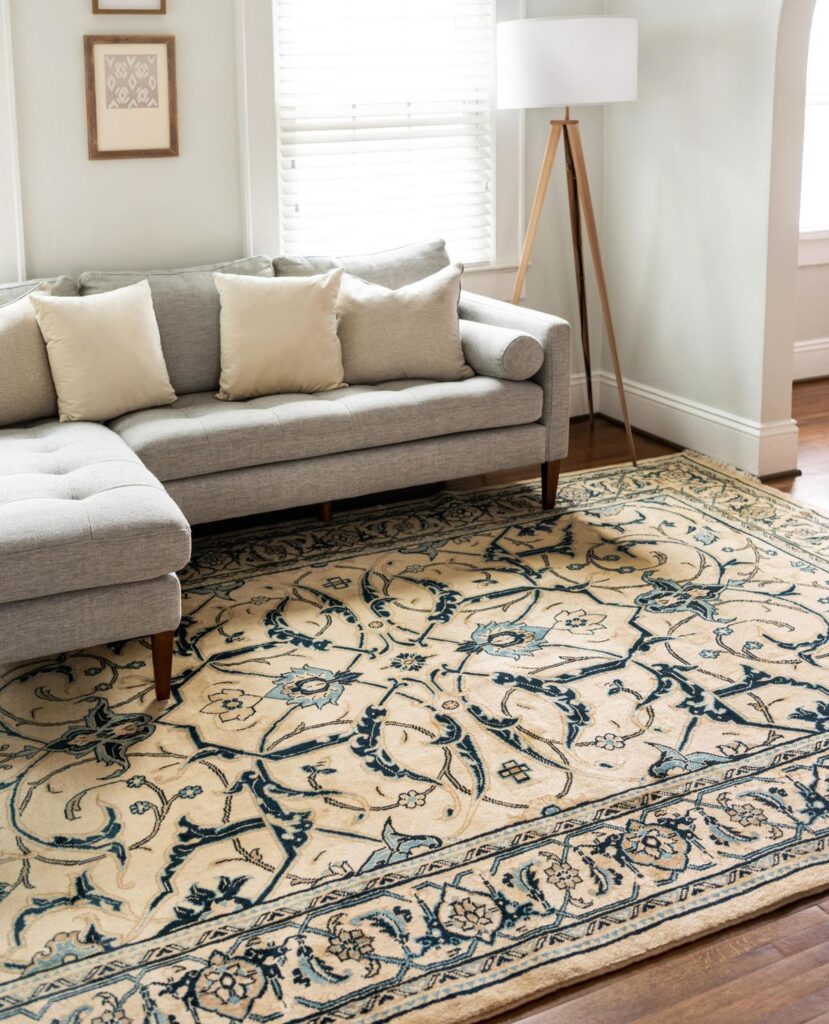
To identify an authentic antique textile, look for evidence of hand-knotted construction, naturally inconsistent knots, organic dyes, charmingly imperfect patterns, and fringes that are an integral part of the rug’s foundation.
- Hand-Knotted Construction: Flip the textile over. If you can clearly see the pattern mirrored in the dense, individual knots on the back, it’s hand-knotted. Machine-made rugs typically have a uniform mesh or latex backing.
- Imperfections = Authenticity: Antique carpets are famous for not being perfectly symmetrical, and this slight unevenness is part of their inherent charm.
- Natural Dyes Only: Look for complex, naturally faded colors. Antique rugs were dyed with natural materials like roots, plants, minerals, and insects—not harsh chemical or neon hues.
- The Structural Fringe: On antique rugs, the fringe is structural; it is the warp thread. If the fringe is simply stitched on as an afterthought, it is not an authentic antique.
Why Antique Textiles Are Cherished
Every antique rug is a time capsule—a handcrafted artifact and a piece of someone’s legacy. Unlike transient, trendy carpets, antique rugs age gracefully, becoming richer, softer, and more nuanced with the passing of time.
They are inherently durable, often surviving decades of use, spills, and busy household life.
Moreover, they are versatile, working seamlessly across nearly every decor style: Scandinavian, Farmhouse, Japandi, Modern Rustic, Mid-century, and more. An antique textile will ground and enhance the space beautifully.
It’s often why homeowners incorporating these pieces for their living room or bedroom inevitably realize, “Why didn’t I introduce this character sooner?”
🛋️ How to Decorate With Antique Textiles
To decorate effectively with antique rugs, choose the appropriate size, harmonize the rug’s colors with your room’s palette, layer it thoughtfully with modern furniture, and allow it to serve as a focal point that balances textures and tones.
Here are deeper styling ideas:
Antique Rugs for the Living Room
The living room is the main stage where antique carpets truly shine.
- Anchor the Space: Position a large antique rug under your primary seating area (sofa and coffee table) so that it visually unites the room’s elements.
- Balance the Palette: If your furniture is neutral, opt for textiles with bold, deep reds, blues, or striking geometric motifs. If your seating is colorful, select more muted antique rugs with earthy, softer tones.
- Mix Old and New: The contrast between a storied, hand-worn textile and a sleek, modern sofa creates a sophisticated, designer-level look.
- For Large Spaces: Consider layering two compatible antique rugs, or combine an antique piece with a large, neutral-textured rug (like jute or sisal) underneath.
Antique Rugs for the Bedroom
Nothing elevates a bedroom quite like a soft, beautifully worn antique carpet.
- Under-Bed Placement: Place the rug about two-thirds under the bed so that only the foot and sides peek out elegantly.
- The Runner Trick: Use antique textile runners on both sides of the bed to introduce symmetry and a luxurious, hotel-suite feel.
- Embrace Character: Antique styles like Gabbeh, Heriz, and Kazak can bring a wonderful, grounding warmth and personality to minimal bedroom designs.
Antique Textiles in the Kitchen & Bathroom
- In the Kitchen: A narrow antique runner in front of the sink or stove adds unexpected warmth and depth. Wool carpets, typical of antique pieces, are naturally resistant to stains, making this a practical choice.
- In the Bathroom: Substitute a small antique rug for a typical bath mat near the vanity. This introduces instant luxury and makes the bathroom feel purposefully styled, not merely functional.
🎨 Color & Symbolism Guide
Antique rugs were always woven with intention. Every color and symbol carries deep cultural meaning.
| Popular Colors in Antique Textiles | Meaning | Common Rug Motifs | Meaning |
| Red | Happiness, luck, courage | Boteh (Paisley) | Life, maternity, eternity |
| Blue | Peace, truth, power | Gul | Rose, beauty, abundance |
| Green | Renewal, prosperity, paradise | Herati | Water, movement, protection |
| Brown | Fertility, grounding, earth | Tree of Life | Immortality, connection between realms |
| Orange | Devotion, faith |
Use these traditional meanings to choose textiles that truly resonate with your home’s story and values.
Summing Up
Ultimately, antique rugs are emotional investments. They carry whispers from the past, woven by artisans whose hands shaped culture, color, and heritage. When you decorate with antique textiles, you are not merely designing a space; you are curating a profound story.
And that is why these pieces deserve a place in your living room, your bedroom, your kitchen, and your everyday life.
We will be back with another textile-focused piece soon.
FAQs
Should antique rugs perfectly match the furniture?
Not necessarily. They should balance it. Pair bold, highly detailed textiles with simpler furniture, and vice-versa, for a harmonized look.
Can patterns be mixed?
Absolutely. The key is to keep the overall color palette cohesive, allowing the antique rug to remain the hero piece in the space.
Are wool antique rugs durable for busy homes with kids or pets?
Yes! Wool is naturally durable, resilient, and stain-resistant—making antique wool rugs surprisingly suitable for busy households.
Is layering antique rugs a good design choice?
Layering is a key design trend. For a beautiful effect, try an antique rug placed over a larger, neutral base like a natural fiber (jute or sisal) rug.
How do you care for antique rugs?
Vacuum gently and regularly, rotate the rug annually to ensure even wear, avoid direct harsh sunlight, and always use a quality rug pad. For deep cleaning, get a professional wash every 2–3 years.