
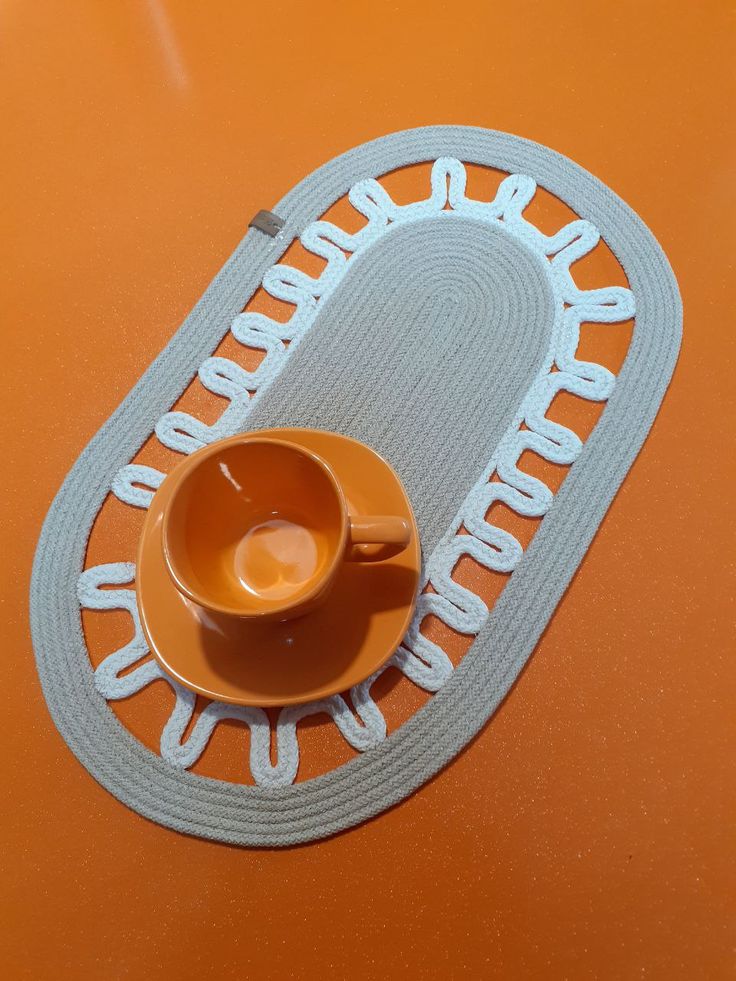
In the world of home décor and tabletop aesthetics, the shift toward sustainable, handcrafted, and high-quality textiles has never been more pronounced. As global retailers and hospitality giants look for reliable partners, India has emerged as the undisputed hub for table linens. Specifically, Indian placemat suppliers are dominating the market by blending centuries-old artisanal techniques with modern, large-scale manufacturing capabilities.
If you are a wholesale buyer, an e-commerce brand owner, or a procurement manager for a hotel chain, understanding the landscape of placemat manufacturing in India is key to a profitable supply chain.
Why India is the World’s Leading Destination for Bulk Placemats
India’s dominance in the home textile sector isn’t accidental. It is built on a foundation of raw material abundance, skilled labor, and government-backed infrastructure.

1. Diverse Material Availability
Unlike many manufacturing hubs that rely heavily on synthetic polyester, Indian suppliers like More Textiles leverage a rich variety of natural fibers.
- Cotton: Known for its durability and “breathability,” Indian cotton is the gold standard for washable, everyday placemats.
- Jute & Braided Fibers: For a rustic or eco-conscious aesthetic, Indian jute placemats are top-sellers in European and North American markets.
- Beaded & Decorative: For high-end luxury, Indian artisans create intricate beaded placemats that serve as statement pieces for formal dining.
2. Vertical Integration and Manufacturing Scale
Leading manufacturers in Panipat—the “Textile City” of India—often operate vertically integrated facilities. This means everything from yarn spinning to weaving, dyeing, and final stitching happens under one roof. For a bulk buyer, this ensures:
- Lower Lead Times: Faster production cycles.
- Quality Consistency: Every batch matches the approved sample.
- Competitive Pricing: By removing intermediaries, companies like More Textiles offer factory-direct wholesale rates.
More Textiles: A Case Study in Export Excellence
When discussing leading placemat manufacturers and exporters in India, More Textiles stands out for its commitment to “Quality-Packed Reality.” Based in the textile heartland of Panipat, the company has spent over four decades refining the art of home furnishing.
What Sets Them Apart?
- Massive Infrastructure: With over 100,000 sq. ft. of manufacturing space and a workforce of 350+ professionals, they have the “muscle” to handle massive bulk orders without breaking a sweat.
- Design Innovation: They don’t just follow trends; they set them. Their design team blends traditional Indian motifs with contemporary minimalist aesthetics suited for global tastes.
- Ethical Manufacturing: In 2025, buyers are more conscious than ever. More Textiles prioritizes sustainable practices and fair labor, making them a preferred partner for brands with strict ESG (Environmental, Social, and Governance) requirements.
Top Trending Placemat Styles for 2025-2026
If you are looking to stock your inventory, here are the styles currently seeing the highest demand in the export market:
| Style | Material | Best For | Key Feature |
| Eco-Braided | Jute/Seagrass | Boho-Chic Cafes | Sustainable & Biodegradable |
| Jacquard Woven | Premium Cotton | Fine Dining Hotels | Intricate, reversible patterns |
| Hand-Beaded | Glass Beads/Satin | Luxury Retailers | “Jewelry for the table” |
| Minimalist Ribbed | Recycled Yarn | Modern Homes | Easy to clean, durable |
Navigating the Bulk Export Process
Importing from India is more streamlined than ever, thanks to digital customs and improved logistics. Here is a quick roadmap for international buyers:
Step 1: Sampling and Customization
Work with your supplier to develop a prototype. Indian manufacturers excel at OEM (Original Equipment Manufacturer) services. Whether you need a specific GSM (grams per square meter) for your cotton or a custom pantone color, this is the stage to lock it in.
Step 2: Quality Assurance (QA)
Before the shipment leaves the port (usually Mundra or Nhava Sheva), ensure a multi-point inspection. Leading exporters have in-house labs to test for colorfastness, shrinkage, and tensile strength.
Step 3: Logistics and Compliance
Ensure your supplier provides all necessary documentation, including:
- Certificate of Origin
- Bill of Lading
- Fumigation Certificate (essential for jute and wooden-based mats)
- Compliance certifications (like OEKO-TEX or Sedex)
The Strategic Advantage of Sourcing from India
The “China+1” strategy has led many global brands to diversify their sourcing. India is the primary beneficiary of this shift. With the Indian government’s PLI (Production Linked Incentive) schemes and the PM-MITRA textile parks, the cost of manufacturing is becoming even more competitive.
For a wholesale buyer, this means you get luxury-grade craftsmanship at mass-market prices.
Expert Insight: “The trend for 2026 is ‘Functional Elegance.’ Buyers are no longer choosing between a mat that looks good and one that lasts. They want both—and Indian manufacturers are the only ones delivering that balance through organic, long-staple cotton and reinforced weaving.”
Frequently Asked Questions (FAQ)
1. What makes Indian placemats different from those manufactured in other countries?
The primary differentiator is the artisanal touch. While many countries rely on 100% automated synthetic production, Indian suppliers specialize in natural fibers (cotton, jute, linen) and handcrafted details like hand-weaving, braiding, and embroidery. This results in a premium “lifestyle” product rather than a generic plastic mat.
2. What is the minimum order quantity (MOQ) for bulk wholesale?
MOQs vary depending on the complexity of the design. For standard cotton or jute placemats, MOQs typically start around 500 to 1,000 units per style. However, leading manufacturers like More Textiles can often accommodate custom requirements for larger-scale commercial projects.
3. Can I request custom designs and private labeling?
Absolutely. Most Indian exporters operate as OEM (Original Equipment Manufacturers). You can provide your own artwork, specific Pantone color codes, and brand labels. The supplier will develop a “Golden Sample” for your approval before starting mass production.
4. How do Indian suppliers ensure quality for international exports?
Reputable manufacturers follow a multi-stage Quality Control (QC) process:
- Pre-production: Testing yarn quality and dye safety.
- In-line Inspection: Checking for weaving defects during production.
- Final Inspection: Verifying dimensions, stitching, and packaging before the shipment is sealed.
5. What are the typical lead times for a wholesale order?
For a standard bulk order, lead times usually range from 45 to 75 days, depending on the material availability and the season. Shipping via sea typically adds another 20–40 days depending on your global location (e.g., US East Coast vs. Western Europe).
6. Are the materials used eco-friendly and sustainable?
Yes. India is a global leader in sustainable textiles. Many suppliers use GRS (Global Recycled Standard) certified yarns, organic cotton, and biodegradable fibers like jute and seagrass. Additionally, many factories are now powered by solar energy to reduce their carbon footprint.
7. What payment and shipping terms are standard?
Most Indian exporters work on FOB (Free on Board) or CIF (Cost, Insurance, and Freight) terms. Common payment methods include Letter of Credit (L/C) or Wire Transfer (T/T) with an advance deposit.
Conclusion: Partnering for Success
Choosing the right Indian placemat supplier is about more than just finding the lowest price; it’s about finding a partner that understands your brand’s vision and can scale with your growth.
Companies like More Textiles have proven that by combining traditional Indian heritage with state-of-the-art technology, they can meet the rigorous demands of the global market. Whether you are looking for 500 units for a boutique or 50,000 units for a multinational retail chain, the Indian textile industry is equipped to deliver.