
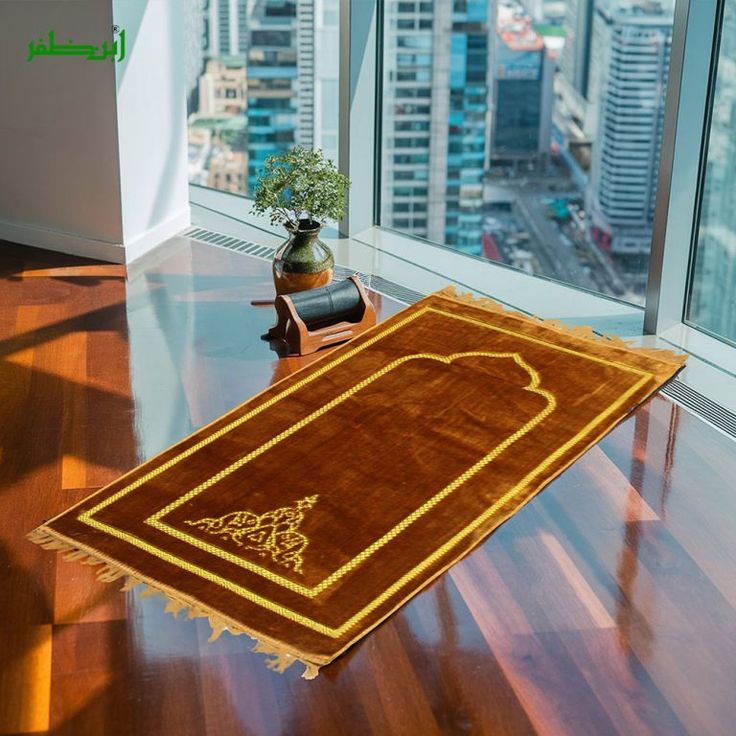
For many Muslims, the end of Salah (prayer) is followed by a swift, rhythmic habit: folding the corner of the prayer mat or rolling it up entirely. If you’ve ever left your mat open, you might have been warned by an elder that “Shaitan (the devil) will pray on it if you leave it out.”
But is this based on Islamic law, or is it merely a cultural superstition? As we explore the etiquette of the islamic prayermat, we’ll separate religious requirements from household myths and look at the best ways to care for these beautiful textiles.
1. The Short Answer: Is it Haram?
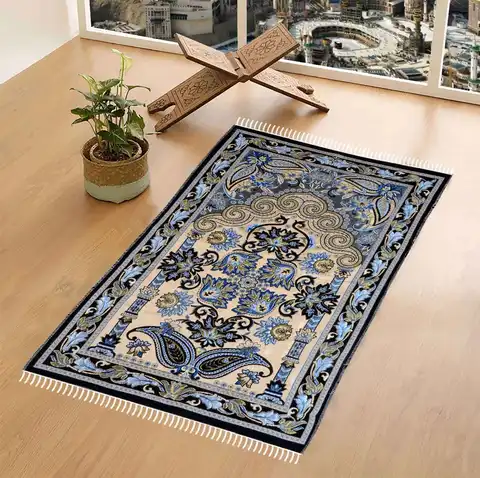
To put it simply: No, it is not haram to leave a prayer mat out.
In Islamic jurisprudence (Fiqh), there is no verse in the Quran or any authentic Hadith (prophetic tradition) that forbids leaving a prayer rug unfolded. Whether you fold it, roll it, or leave it spread out on the floor, your prayer remains valid, and you have not committed a sin.
The prayer mat itself is not a “holy” object in the sense that it possesses intrinsic divinity; it is a functional tool used to ensure Taharah (cleanliness). Since the Prophet Muhammad (peace be upon him) often prayed on the bare earth, sand, or a simple straw mat (khumrah), the modern fabric rug is a convenience rather than a religious requirement.
2. Debunking the Myth: Does Shaitan Pray on Open Mats?
The most common reason given for folding a prayer mat is the belief that Shaitan will use it to pray if it’s left open.
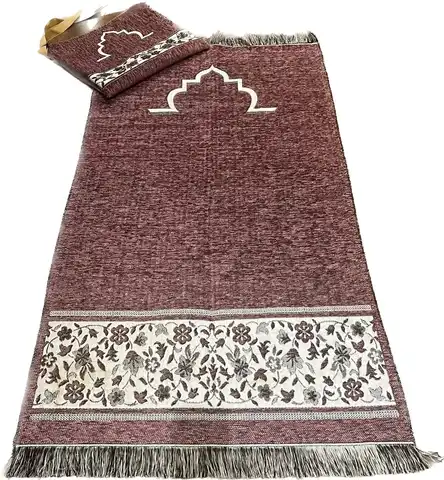
- The Logical Flaw: Scholars often point out the irony in this myth. Shaitan is defined by his refusal to prostrate to Allah. If Shaitan were actually using your islamic prayermat to perform Salah, he would effectively be repenting—which contradicts his nature!
- Origin of the Idea: This myth likely stems from a misunderstanding of certain Hadiths that encourage folding clothes after use so that “the devil does not wear them.” While some scholars extend this logic to rugs for the sake of discipline and cleanliness, the specific idea of the devil “praying” on your mat has no basis in the Sunnah.
3. Practical Reasons to Fold Your Prayer Rug
While it isn’t “haram” to leave it out, there are several excellent, non-religious reasons why you should consider putting your mat away:
A. Maintaining Taharah (Purity)
The primary function of a prayer mat is to provide a clean surface. If left out indefinitely:
- Pets may walk or sleep on it.
- People might accidentally step on it with shoes.
- Dust and allergens can accumulate in the fibers. By folding the mat—specifically folding the “head” side toward the “feet” side—you ensure that the area where your face touches remains pristine.
B. Longevity of the Textile
High-quality rugs, such as those produced by More Textiles, are built to last, but even the best fibers benefit from proper storage. Constant exposure to sunlight can fade the intricate islamic prayermat designs, and leaving it on the floor makes it prone to spills or heavy foot traffic that can wear down the pile.
C. Creating a Mental Boundary
Folding your mat can serve as a psychological “closing ceremony” for your prayer. It signals to your mind that the sacred time of Salah has concluded and it is time to return to worldly duties.
4. The More Textiles Guide to Rug Care
As a leading manufacturer and exporter of prayer rugs in India, More Textiles understands that a rug is an investment in your spiritual comfort. Whether you use a luxury velvet mat or a durable cotton one, here is how to handle it with respect:
- The Vertical Fold: Always fold the mat vertically first (side-to-side) before folding it top-to-bottom. This prevents the area where your feet stand from touching the area where your forehead prostrates.
- Avoid High-Traffic Areas: If you choose to leave your mat out (perhaps in a dedicated prayer room), ensure it is in a corner where people won’t walk over it.
- Rolling vs. Folding: For premium rugs with a thick pile, rolling is often better than folding, as it prevents permanent creases in the fabric.
5. Summary: Etiquette vs. Innovation
In Islam, adding new “prohibitions” to the religion that weren’t there before is known as Bid’ah (innovation). Claiming that leaving a mat out is “haram” falls into this category.
However, showing respect for a tool used for worship is part of Adab (etiquette). Just as you wouldn’t leave a clean white shirt crumpled on the floor, many Muslims choose to fold their prayer rug out of a sense of order and neatness.
FAQs: Common Questions About Prayer Mat Etiquette
Q: If I leave my mat open, will my next prayer be rejected? A: Absolutely not. The state of your mat between prayers has no impact on the validity of your Salah.
Q: Is it okay to hang a prayer rug on the wall? A: Yes! Many people hang beautifully crafted rugs from More Textiles on their walls as art. This is a great way to display the rug without it getting dirty on the floor.
Q: Can I use a regular carpet instead of a prayer mat? A: Yes, as long as the carpet is clean (Tahir). The prayer mat is simply a portable way to guarantee that cleanliness.
Q: Should I fold the corner of the mat if I’m just going to use it again in an hour? A: You can, but it is not necessary. Many people do this as a “placeholder” to show the mat is in use, but there is no religious requirement to do so.
Q: What is the best material for a durable prayer rug? A: For daily use, a chenille or high-quality cotton rug from a trusted manufacturer like More Textiles offers the best balance of softness and durability.
Conclusion
The next time you finish your prayers, feel free to fold your mat or leave it be—whichever suits your space and your habits. While the “Shaitan myth” may be a common piece of folklore, your focus should remain on the purity of your heart and the cleanliness of your prayer space.
By choosing a high-quality islamic prayermat and treating it with the care any fine textile deserves, you honor the tradition of Salah without falling into the trap of superstition.