
In the world of interior design, trends come and go, but the appeal of natural textures remains timeless. As we move further into 2026, the shift toward sustainable, eco-friendly, and “quiet luxury” home decor has never been stronger. At the heart of this movement is the jute rug.
Known for its golden hue, organic feel, and incredible durability, a jute rug is more than just a floor covering—it’s a design foundation. However, not all jute rugs are created equal. As a leading manufacturer and exporter of jute rugs in India, More Textiles understands the intricate craftsmanship behind every weave.
In this comprehensive guide, we will walk you through everything you need to know to choose the perfect jute rug that balances aesthetics, comfort, and longevity.
1. Understanding the Magic of Jute
Before diving into sizes and styles, it’s essential to understand what makes jute special. Derived from the Corchorus plant, jute is often referred to as the “Golden Fiber.”
Why Jute?
- Sustainability: Jute is 100% biodegradable and recyclable. It grows quickly without the need for heavy pesticides or fertilizers, making it one of the most eco-friendly fibers on the planet.
- Durability: It is one of the toughest natural fibers, capable of withstanding significant foot traffic.
- Versatility: Whether your home is Boho-chic, Coastal, Farmhouse, or Modern Minimalist, the neutral tones of jute complement almost any palette.
At More Textiles, we take pride in sourcing high-quality raw jute from the finest crops in India, ensuring that the rugs we export meet international standards of strength and luster.
2. Assess Your Living Space
Every room has a different “vibe” and functional requirement. Choosing the right rug starts with assessing where it will live.
High-Traffic Areas (Entryways & Living Rooms)
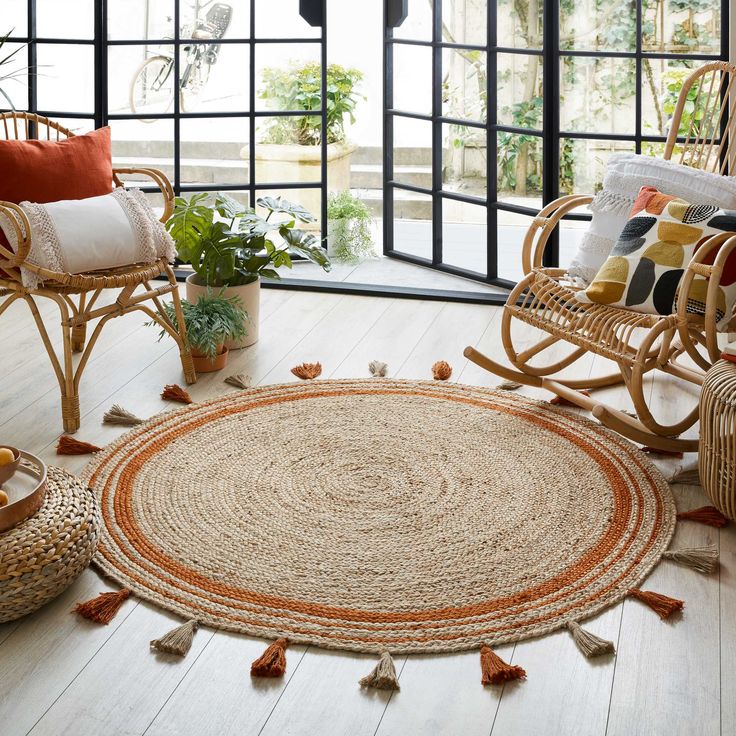
For areas where people are constantly walking, you want a thick, chunky weave. These are more resilient to compression. A hand-braided jute rug is an excellent choice here because it can mask dirt and maintain its structure over time.
Low-Traffic Areas (Bedrooms & Home Offices)
In a bedroom, comfort is king. While jute is a vegetable fiber, the “fine-spun” varieties produced by More Textiles offer a surprisingly soft underfoot feel. Look for a tighter, flatter weave for home offices so that desk chairs can glide more easily.
3. The Art of Selection: Weave and Texture
The “texture” of a jute rug is determined by how the fibers are spun and woven. This is where the expertise of a manufacturer like More Textiles shines.
The Bouclé Weave
The bouclé weave features small, tight loops. It is the most formal-looking jute rug and is incredibly durable. It’s perfect for dining rooms because it’s easy to slide chairs over and doesn’t trap crumbs as easily as looser weaves.
The Chunky Braid
If you want that classic “organic” look, a chunky braided rug is the way to go. These rugs are heavy, stay in place well, and provide a wonderful tactile experience.
Jute-Wool Blends
If you love the look of jute but want a softer feel, consider a Jute and Wool blend. By intertwining the strength of jute with the softness of Indian wool, More Textiles creates rugs that are perfect for cozying up a nursery or a master suite.
4. Getting the Size Right
One of the most common mistakes homeowners make is buying a rug that is too small. A small rug makes a room look disjointed; a correctly sized rug anchors the space.
- The “All Legs On” Rule: In a large living room, try to get a rug big enough so that all the furniture (sofas, chairs, coffee table) sits entirely on the rug.
- The “Front Legs Only” Rule: This is the most popular choice. The rug should be large enough that the front legs of your seating sit on the rug, connecting the pieces visually.
- Dining Room Tip: Ensure the rug extends at least 24–30 inches beyond the edge of the table so that chairs stay on the rug even when pulled out.
5. Color and Pattern: Beyond Natural Tan
While the classic “wheat” color of jute is iconic, modern manufacturing allows for incredible variety.
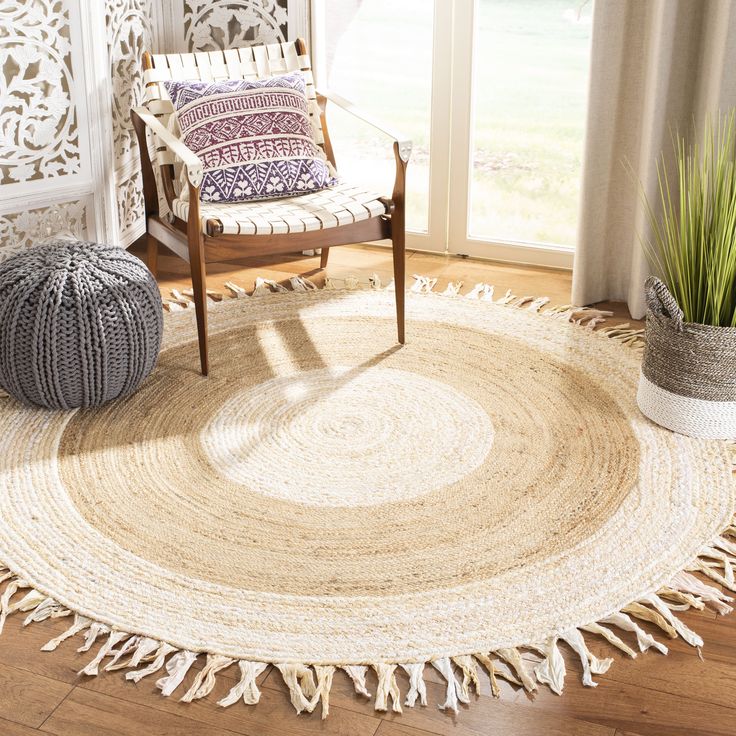
- Bleached Jute: For a lighter, “off-white” or cream look, bleached jute offers a clean, coastal aesthetic.
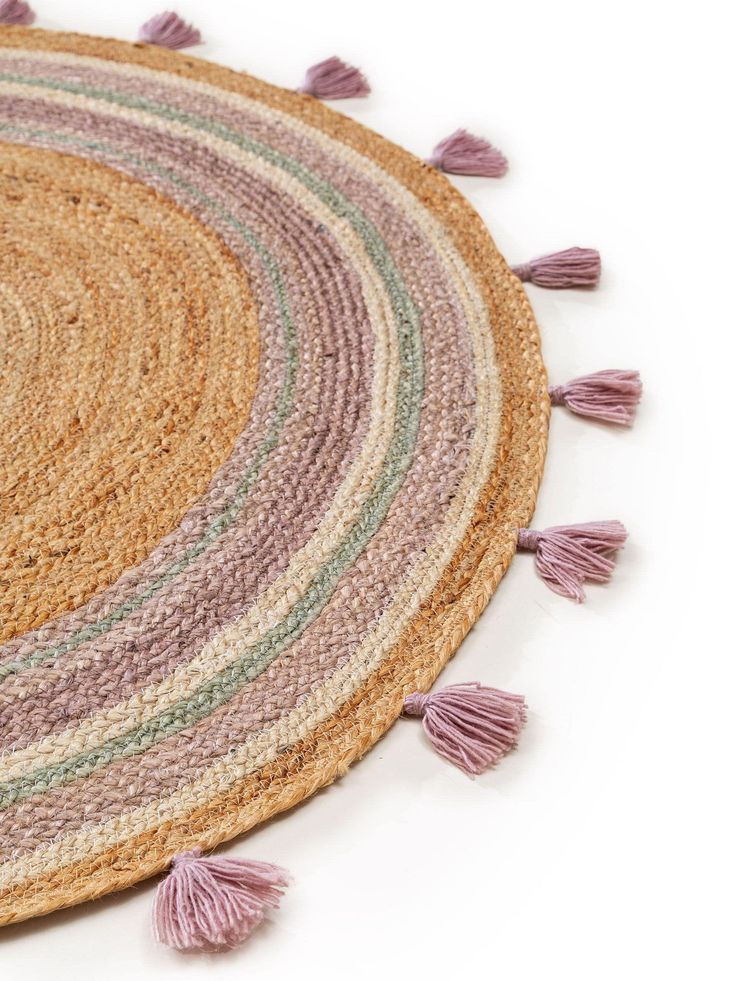
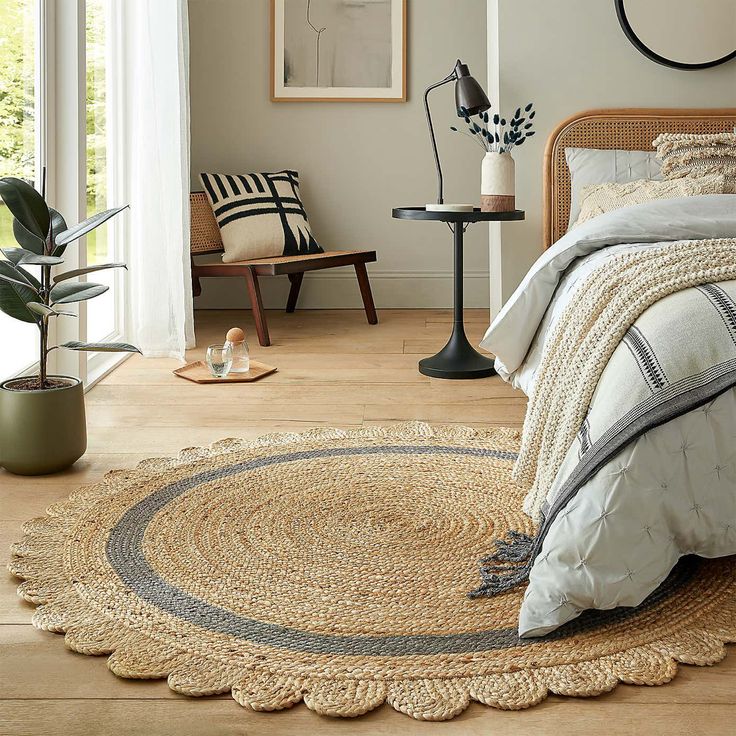
- Hand-Dyed Accents: At More Textiles, we offer jute rugs with dyed fibers—think navy borders, charcoal patterns, or even vibrant earthy reds. Since jute takes dye beautifully, these rugs can add a pop of color while maintaining their organic soul.
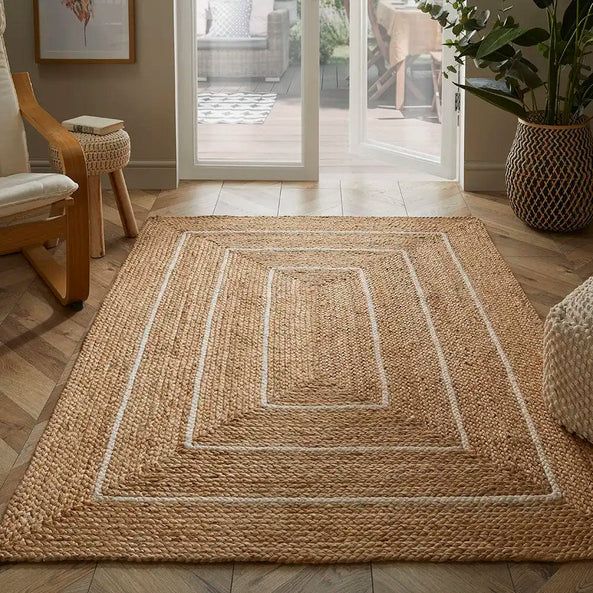
- Patterned Weaves: From herringbone to diamond patterns, the way the jute is looped can create a subtle, sophisticated pattern that adds depth to a room without being overwhelming.
6. The “Layering” Trend
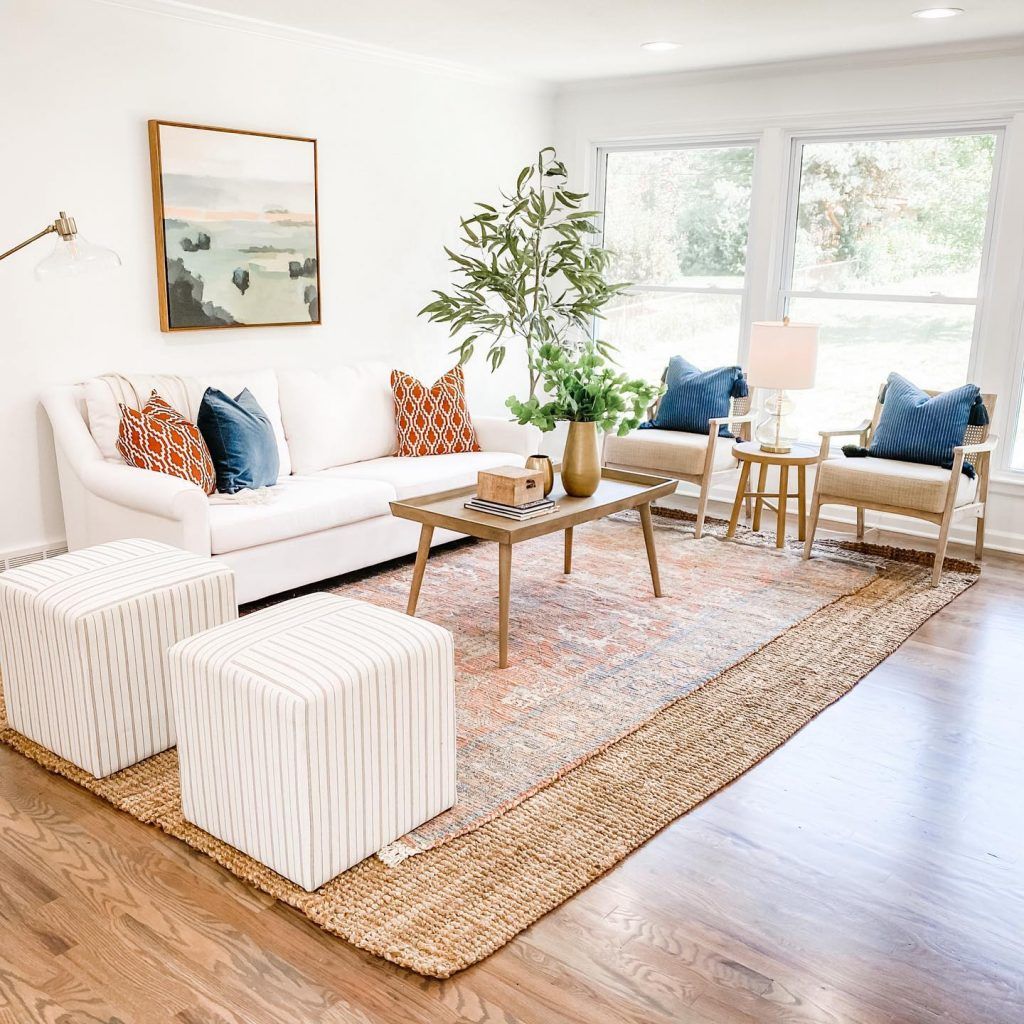
In 2026, interior designers are obsessed with layering. A large jute rug makes the perfect “base.”
How to do it:
- Place a large, neutral jute rug as your foundation (covering most of the floor).
- Layer a smaller, more expensive vintage Persian or plush patterned rug on top.
- This gives you the durability of jute with the luxury of a decorative rug, and it’s a great way to save money on large-scale floor coverage.
7. Practicalities: Maintenance and Care
Many people hesitate to buy natural fiber rugs because they aren’t sure how to clean them. Because More Textiles exports globally, we’ve perfected the craft of creating rugs that are as practical as they are beautiful.
Dealing with Shedding
New jute rugs will shed small fibers (often called “jute dust”) for the first few weeks. This is completely normal! Regular vacuuming (without a beater bar) will settle this quickly.
Spills and Stains
- Act Fast: Blot (don’t rub!) liquid spills immediately with a clean white cloth.
- Avoid Steam Cleaning: Water is the enemy of jute. Never steam clean or saturate a jute rug, as the fibers can shrink or lose their shape.
- Professional Cleaning: For major stains, look for a cleaner who specializes in natural fibers.
8. Why Source from More Textiles, India?
India is the global hub for jute production, and More Textiles stands at the forefront of this industry. Choosing a rug from an established manufacturer and exporter ensures:
- Ethical Labor: We prioritize fair wages and safe working conditions for our skilled artisans.
- Quality Control: From the raw fiber to the final stitch, our rugs undergo rigorous testing for strength and colorfastness.
- Customization: As a manufacturer, we have the capability to create bespoke sizes and designs that retail stores simply cannot offer.
9. Conclusion: The Perfect Foundation
Choosing the perfect jute rug is about more than just picking a color; it’s about bringing a piece of the earth into your home. It’s a choice that reflects a commitment to sustainability, a love for craftsmanship, and an eye for timeless design.
Whether you are looking for a rugged mat for your entryway or a soft, hand-woven masterpiece for your living room, More Textiles has the expertise to provide the perfect fit.
Key Takeaways for Your Search:
- Identify the traffic level of your room.
- Measure your furniture to ensure you get the right size.
- Don’t be afraid to layer for added style.
- Always choose a reputable manufacturer to ensure the rug lasts for years.
🙋 Frequently Asked Questions (FAQs)
1. Are jute rugs scratchy or soft?
Jute is naturally one of the softest plant fibers, often called the “golden fiber” for its silk-like sheen and texture. While a chunky braided rug will have a more tactile, bumpy feel, a fine-spun jute rug is surprisingly comfortable underfoot. At More Textiles, we use premium-grade long-staple fibers that minimize “prickliness” compared to lower-quality alternatives.
2. Do jute rugs shed?
New jute rugs undergo a “settling” period where small organic fibers may break off—this is often called “jute dust.” This is a natural characteristic of vegetable fibers and is not a sign of a defective rug. Regular vacuuming (without a beater bar) during the first few weeks will significantly reduce shedding.
3. Can I use a jute rug if I have pets?
Yes! Jute is excellent for pet owners because the weave is durable and the natural tan color is very forgiving of pet hair and tracked-in dirt. However, because jute is absorbent, it is important to clean up “accidents” immediately to prevent odors from soaking into the core of the fibers.
4. How do I clean a spill on a jute rug?
Never steam clean or wet-shampoo a jute rug. Water can cause the natural fibers to swell, discolor, or lose their shape. For liquid spills, blot immediately with a clean, dry white cloth. For dried mud or dirt, let it dry completely and then use a stiff brush to loosen the particles before vacuuming.
5. Why should I buy a jute rug from India?
India is the global leader in jute cultivation and artisanal weaving. By sourcing directly from a manufacturer like More Textiles, you are getting a product that combines centuries-old weaving traditions with modern quality control. Additionally, buying from an Indian exporter ensures you are getting authentic, sustainably harvested Corchorus fiber.
6. Do I need a rug pad with a jute rug?
Yes, we always recommend a rug pad. Jute rugs can be slippery on hardwood or tile floors. A pad provides extra cushioning, prevents the rug from sliding, and protects your floor from the fine jute dust that can act like sandpaper over time.
7. Can jute rugs be used outdoors?
Generally, no. Jute is a natural plant fiber that absorbs moisture. If left in a damp environment or exposed to rain, it can develop mold or mildew. If you love the jute look for a patio, we recommend a “Jute-look” synthetic rug, but for indoor spaces, nothing beats the authentic feel of the real thing.
8. How long does a jute rug typically last?
With proper care, a high-quality jute rug from More Textiles can last 5 to 10 years or even longer. Its lifespan depends on the traffic level and how quickly spills are managed. Because it is so durable, it is often one of the most cost-effective flooring investments you can make.