
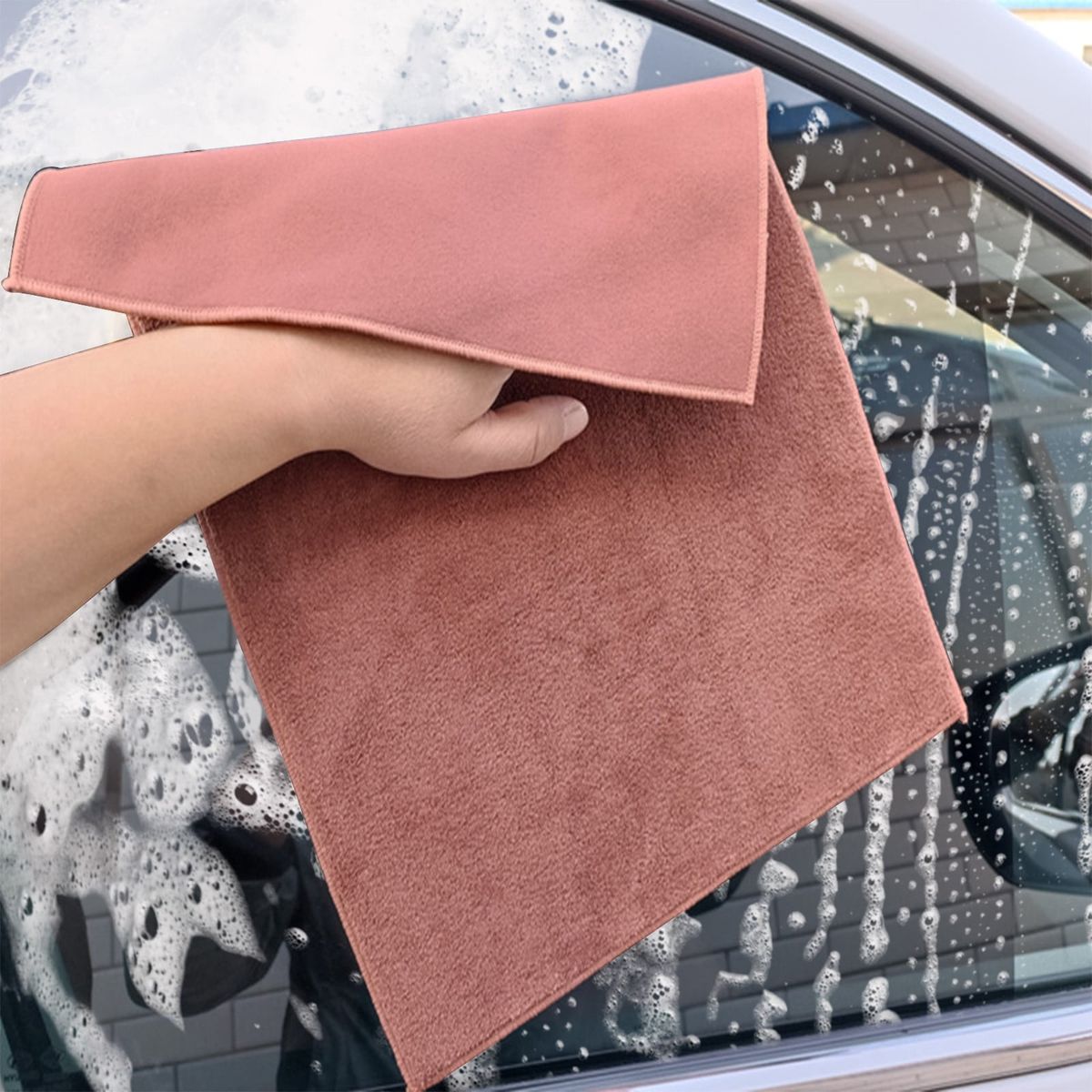
When it comes to maintaining the pristine condition of your beloved vehicle, the tools you use are just as important as the techniques. From washing to waxing, every step requires precision and the right materials to avoid swirl marks, scratches, and a dull finish. Among the myriad of car care products, microfiber cloths have emerged as a revolutionary game-changer, quickly becoming the preferred choice for professional detailers and enthusiastic car owners alike. But are microfiber cloths really good for cars? The resounding answer is a definitive yes, and in this comprehensive guide, we’ll delve into everything you need to know about these remarkable textiles.
We’ll explore their unique properties, the myriad benefits they offer, how to choose the right ones, and proper care to ensure their longevity and performance. We’ll also highlight why companies like More Textiles, one of the leading manufacturers and exporters of microfiber cloths in India, are at the forefront of this textile revolution, providing high-quality solutions for car care enthusiasts worldwide.
What Exactly is Microfiber?
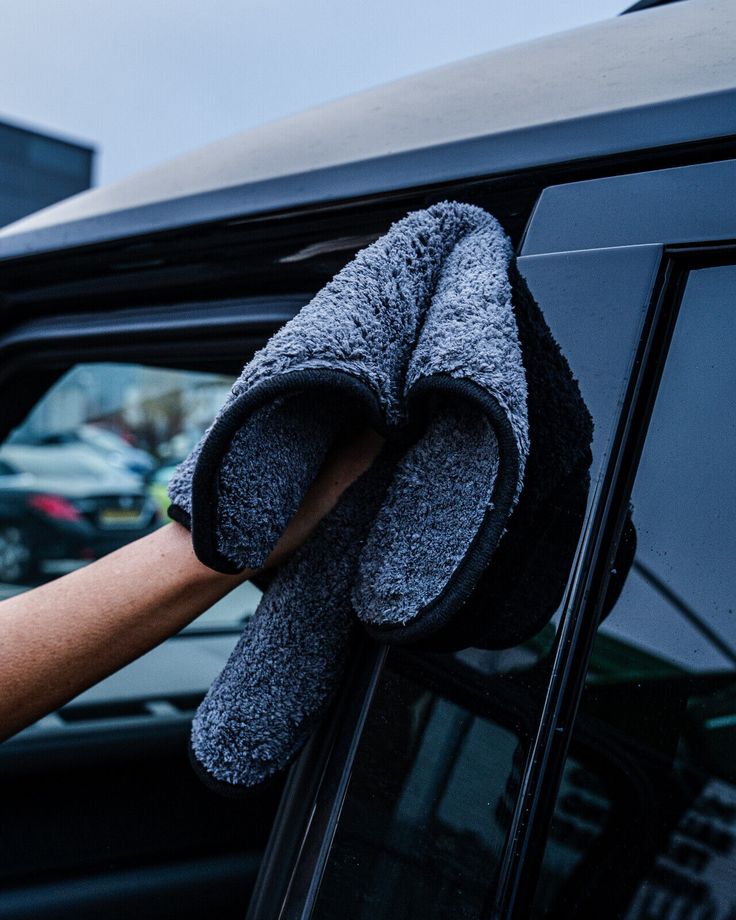
Before we dive into their automotive applications, let’s understand what microfiber is. Microfiber is a synthetic fiber, typically made from a blend of polyester and polyamide (nylon). What makes it extraordinary is its incredibly fine strands – each fiber is finer than a strand of silk, and approximately 1/100th the diameter of a human hair. To put that into perspective, it takes hundreds of thousands of microfibers to make a single cloth.
This unique construction creates a vast surface area within the fabric, allowing it to absorb significantly more liquid and trap more dirt and dust than traditional materials like cotton. The fibers are also split during the manufacturing process, creating microscopic “hooks” that effectively pick up and hold dirt, dust, and grime rather than just pushing it around.
The Science Behind the Magic: How Microfiber Works for Your Car
The effectiveness of microfiber cloths for car care lies in their advanced structural properties:
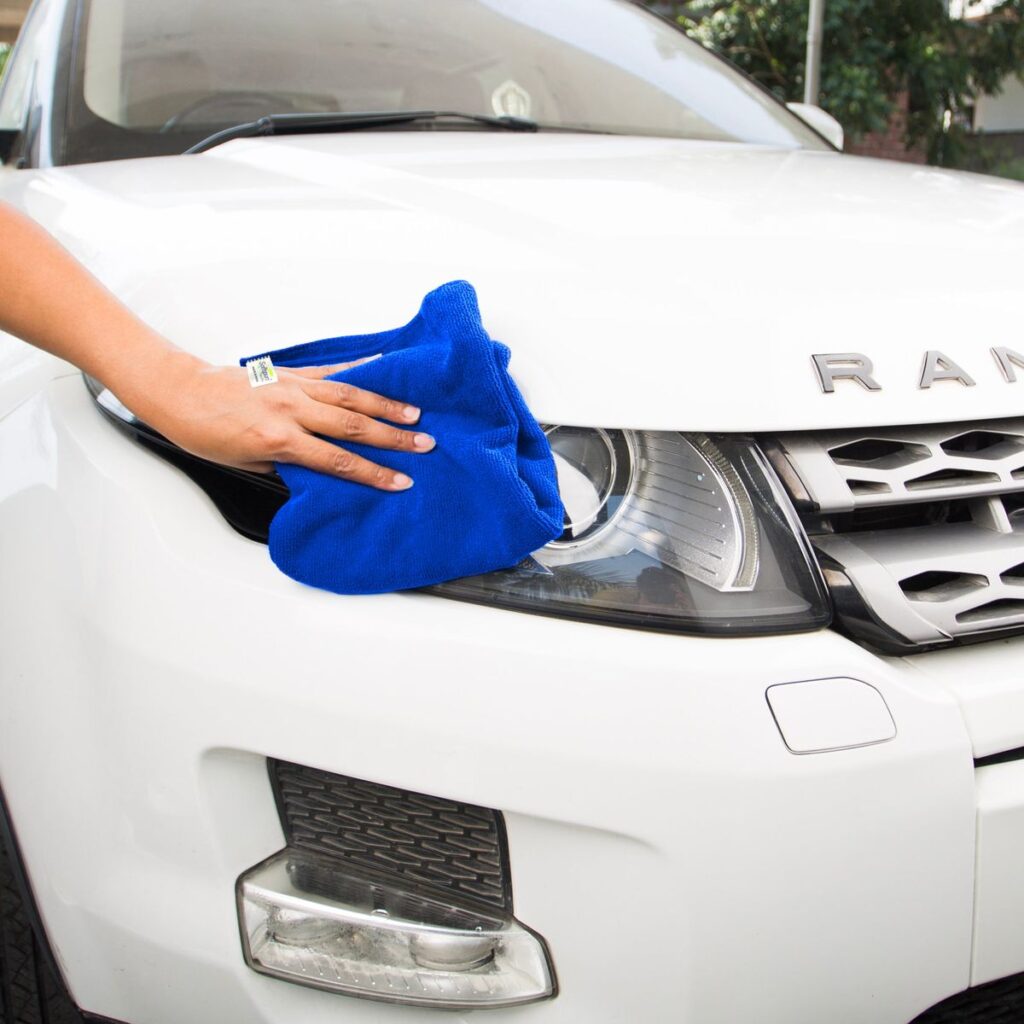
- Capillary Action: The microscopic spaces between the fibers create a powerful capillary action, drawing liquids and particles into the cloth and holding them securely. This is why microfiber cloths can absorb up to 7-8 times their weight in water.
- Electrostatic Charge: Dry microfiber generates a positive electrostatic charge, which attracts negatively charged dust and dirt particles like a magnet. This makes them incredibly effective for dusting car interiors.
- Non-Abrasive Nature: Despite their cleaning power, the individual fibers are incredibly soft and gentle. When used correctly, they glide over surfaces without scratching, unlike rougher cotton towels that can drag abrasive particles across the paint.
Why Microfiber Cloths Are Indispensable for Your Car
The benefits of using microfiber cloths for car care are extensive and far-reaching:
1. Superior Cleaning Power
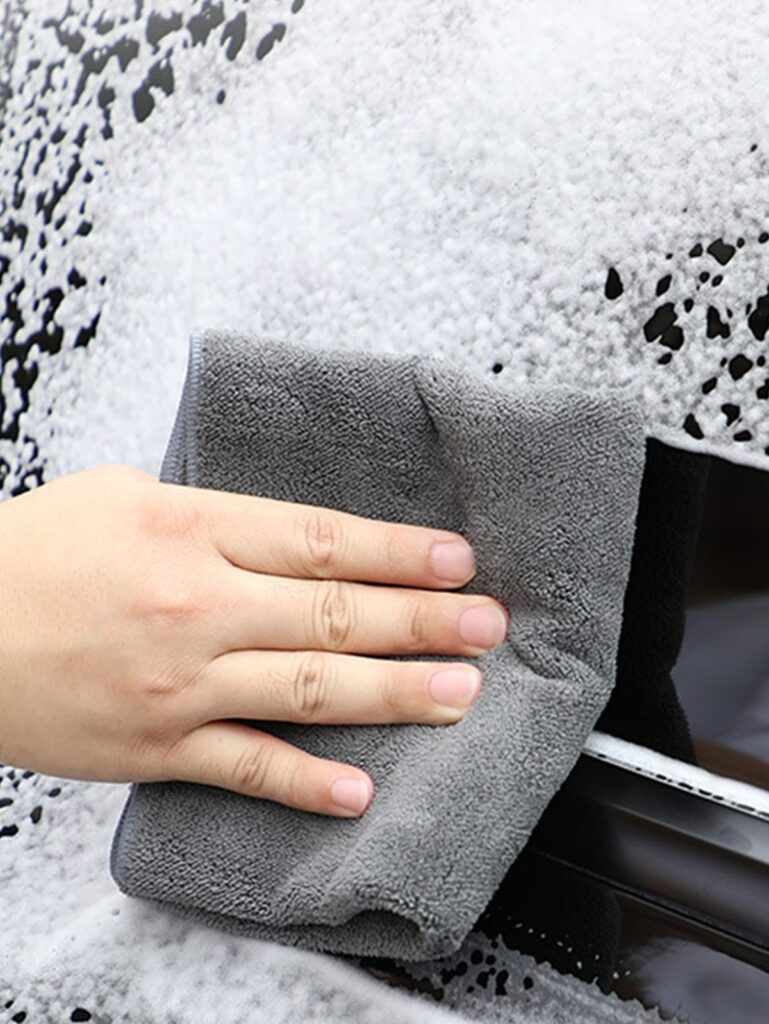
Microfiber’s ability to pick up and hold dirt, dust, and grime is unparalleled. Whether you’re wiping down interior surfaces or drying your car after a wash, microfiber traps contaminants, preventing them from being redistributed or scratching the paint.
2. Scratch-Free Performance
This is perhaps the most critical benefit for car owners. The soft, split fibers are designed to be non-abrasive. When properly cared for, high-quality microfiber towels significantly reduce the risk of inducing swirl marks and scratches on delicate clear coats, especially compared to cotton towels.
3. Exceptional Absorbency
For drying your vehicle, microfiber cloths are a dream come true. Their high absorbency means they can soak up vast amounts of water quickly, leaving a streak-free finish with fewer passes. This saves time and reduces the chances of water spots.
4. Lint-Free Finish
Frustrated by lint left behind by cotton towels? Microfiber cloths are virtually lint-free, ensuring a pristine, streak-free, and fuzz-free finish on windows, paintwork, and chrome.
5. Versatility
One of the greatest strengths of microfiber is its versatility. Different weaves and densities are designed for specific tasks: * Thick, plush towels: Ideal for drying and buffing waxes/sealants. * Waffle weave towels: Excellent for streak-free window cleaning. * Shorter pile towels: Best for general cleaning, applying dressings, or removing compounds. * Ultra-soft, edgeless towels: Perfect for delicate surfaces and final buffing.
6. Durability and Longevity
With proper care, high-quality microfiber cloths can withstand hundreds of washes, maintaining their effectiveness for years. This makes them a cost-effective investment in the long run compared to disposable options or less durable textiles.
7. Eco-Friendly
Their durability means less waste. Furthermore, because they clean so effectively, microfiber cloths can often reduce the need for harsh chemical cleaners, especially for light cleaning and dusting, contributing to a more eco-friendly detailing routine.
Choosing the Right Microfiber Cloths for Your Car
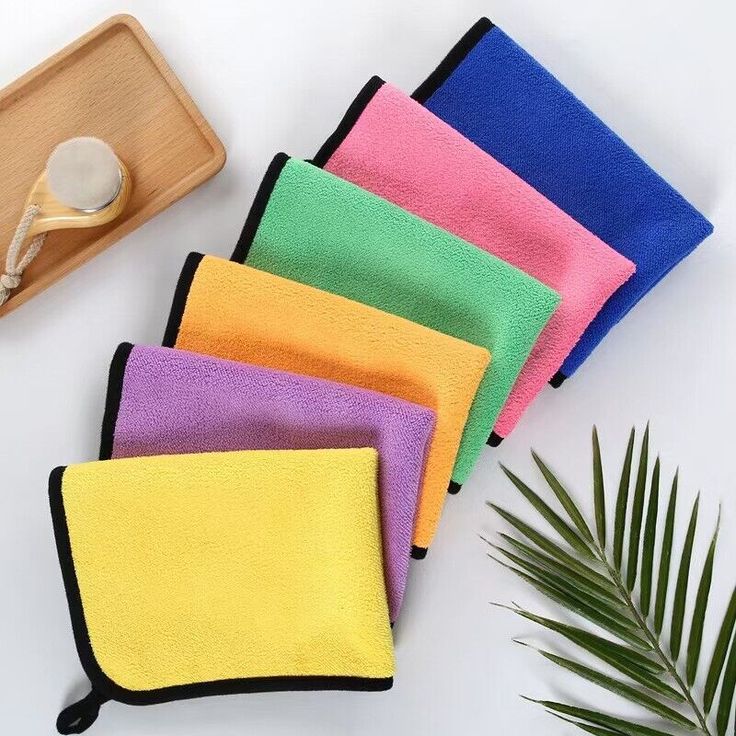
Not all microfiber is created equal. The quality and type of microfiber cloth you choose will significantly impact your results. Here’s what to look for:
1. GSM (Grams Per Square Meter)
GSM indicates the density or weight of the fabric.
- 200-300 GSM: Lighter, general-purpose cloths for interior dusting, applying dressings, or buffing off light polish.
- 300-400 GSM: Good all-around cloths for general cleaning, quick detailing, and light buffing.
- 500-600+ GSM: Thick, plush, and highly absorbent towels, ideal for drying, buffing waxes/sealants, and working with sensitive paint. These are often considered “premium” towels.
2. Blend Ratio (e.g., 80/20 vs. 70/30)
This refers to the percentage of polyester to polyamide.
- 80% Polyester / 20% Polyamide: The most common blend, offering excellent absorbency and cleaning power. Good for most tasks.
- 70% Polyester / 30% Polyamide: Often found in higher-end towels, the increased polyamide content results in an even softer, plusher, and more absorbent towel, ideal for drying and final buffing on delicate surfaces.
3. Weave Type
Different weaves excel at different tasks:
- Terry Weave: Standard loop construction, great all-purpose.
- Plush/Long Pile: Very soft, highly absorbent, perfect for drying and buffing.
- Waffle Weave: Unique pattern creates large pockets for absorbing water, making them excellent for drying and streak-free glass cleaning.
- Suede/Flat Weave: Very low pile, ideal for applying coatings, removing delicate polishes, or working on screens.
4. Edgeless vs. Edged
- Edged: Many towels have stitched edges. If not properly finished, these edges can be a source of scratches. Look for soft, satin, or ultrasonic-cut edges.
- Edgeless: These towels are cut with lasers or ultrasonically to eliminate any hard edges, making them the safest choice for delicate paintwork.
Best Practices for Using Microfiber Cloths on Your Car
To maximize the benefits and ensure scratch-free results:
- Dedicate Towels for Specific Tasks: Use separate towels for paint (drying, waxing), glass, interior, and wheels. This prevents cross-contamination and the transfer of abrasive particles to sensitive surfaces.
- Wash Before First Use: New microfiber towels can sometimes have manufacturing residues or loose fibers. A pre-wash conditions them for optimal performance.
- Use a Gentle Touch: Let the microfiber do the work. Avoid excessive pressure, especially when buffing or drying.
- Fold, Don’t Crumple: Fold your towel into quarters or eighths. This gives you multiple clean surfaces to work with and minimizes the risk of dragging dirt. Once a section is dirty, refold to a clean side.
- Wash Immediately After Use: Don’t let dirt and chemicals dry into your microfiber. Wash them promptly to prevent staining and damage to the fibers.
Proper Care and Maintenance of Your Microfiber Cloths
The longevity and effectiveness of your microfiber cloths depend heavily on proper care. Neglecting them can lead to them becoming less absorbent, leaving streaks, or even scratching your paint.
- Separate Washes: Always wash microfiber towels separately from other laundry, especially cotton. Cotton lint can get embedded in microfiber and compromise its performance.
- Use Microfiber-Specific Detergent: Avoid fabric softeners, bleach, and harsh detergents. Fabric softeners clog the microscopic fibers, reducing absorbency. Bleach can damage the fibers. Many specialized microfiber detergents are available that gently clean without harming the fibers. If not available, a small amount of clear, dye-free, scent-free liquid laundry detergent will suffice.
- Cold Water Wash: Wash on a gentle cycle with cold or warm water. Hot water can degrade the synthetic fibers over time.
- No Fabric Softener: This is critical. Fabric softener leaves a residue that clogs the fibers, rendering them less absorbent and effective.
- Tumble Dry Low or Air Dry: High heat can melt or damage the delicate synthetic fibers. Tumble dry on the lowest heat setting or, even better, air dry them. Avoid dryer sheets for the same reason you avoid fabric softener.
- Store Properly: Store clean, dry microfiber towels in a sealed container or bag to protect them from dust and contaminants until their next use.
When to Retire a Microfiber Cloth
Even with the best care, microfiber towels don’t last forever, especially those used for heavy-duty tasks. Retire a towel if:
- It’s heavily stained and doesn’t clean up well.
- It feels stiff or matted after washing.
- It’s lost its absorbency.
- It’s been used on extremely abrasive tasks (e.g., heavily soiled wheel wells, engine bays) and you’re concerned about embedded grit.
These retired towels can still be useful for less critical tasks around the house or garage, such as cleaning door jambs, under the hood, or cleaning up spills where paint marring isn’t a concern.
Frequently Asked Questions (FAQs)
1. Can I use regular household microfiber cloths on my car?
While household microfiber is better than cotton, it’s often a lower GSM (Grams per Square Meter) and may have rougher edges. For automotive paint, it is highly recommended to use premium, high-GSM towels specifically designed for detailing. These are softer and have a “split” fiber technology that ensures dirt is trapped deep within the cloth rather than dragged across the clear coat.
2. Is it safe to use microfiber on car windows?
Absolutely! In fact, microfiber is the best tool for glass. For a streak-free finish, use a waffle-weave microfiber cloth. Its unique “pitted” texture allows it to absorb moisture and grime without leaving behind the lint or hazy streaks often caused by paper towels or traditional rags.
3. How often should I wash my car microfiber cloths?
You should wash them after every single use. Even if a cloth looks clean, it has likely picked up microscopic dust and grit. Using a “dirty” cloth on your next wash is the fastest way to cause swirl marks and light scratches on your paint.
4. Why did my microfiber cloth stop absorbing water?
The most common reason for loss of absorbency is the use of fabric softeners or dryer sheets. These products coat the fibers in a waxy layer, effectively “clogging” the microscopic hooks that trap water. To fix this, try washing them again with a dedicated microfiber restorer or a small amount of white vinegar to strip the residue.
5. Can I use microfiber on my car’s interior leather?
Yes, microfiber is excellent for leather. Because the fibers are so fine, they can gently agitated the grain of the leather to lift out dirt and body oils without being abrasive. Just ensure the cloth is damp (not soaking) when cleaning, and use a dry, plush microfiber to buff away any excess leather conditioner.
6. Where can I source high-quality microfiber in bulk?
For businesses or professional detailers looking for consistent quality, sourcing from a specialist is key. More Textiles, as a leading manufacturer and exporter in India, provides a wide range of automotive-grade microfiber products designed to meet international standards for durability and softness.
Conclusion: An Essential Tool for Every Car Enthusiast
In the world of automotive care, microfiber cloths are not just a trend; they are an essential, high-performance tool that revolutionizes how we clean, dry, and protect our vehicles. Their unique structure provides unparalleled cleaning power, exceptional absorbency, and, most importantly, a scratch-free finish when used correctly.
By investing in quality microfiber, understanding the different types, and adhering to proper care routines, you unlock a detailing experience that is both more effective and safer for your car’s delicate surfaces. And with manufacturers like More Textiles continually advancing microfiber technology, car enthusiasts globally can trust they’re getting the best tools to keep their vehicles looking showroom-ready. So, the next time you reach for a cloth to care for your car, make sure it’s a microfiber – your paintwork will thank you.
More Textiles: A Leader in Microfiber Innovation
When searching for high-quality microfiber solutions for your car, it’s reassuring to know there are dedicated manufacturers committed to excellence. More Textiles stands out as one of the leading manufacturers and exporters of microfiber cloths in India. Their commitment to producing superior microfiber products means car owners and professional detailers can access textiles engineered for peak performance and durability.
By focusing on precise blend ratios, advanced weaving technologies, and stringent quality control, More Textiles ensures their microfiber cloths meet the rigorous demands of automotive care. This dedication contributes significantly to enhancing car care routines globally, providing reliable tools that protect and perfect vehicle finishes.