
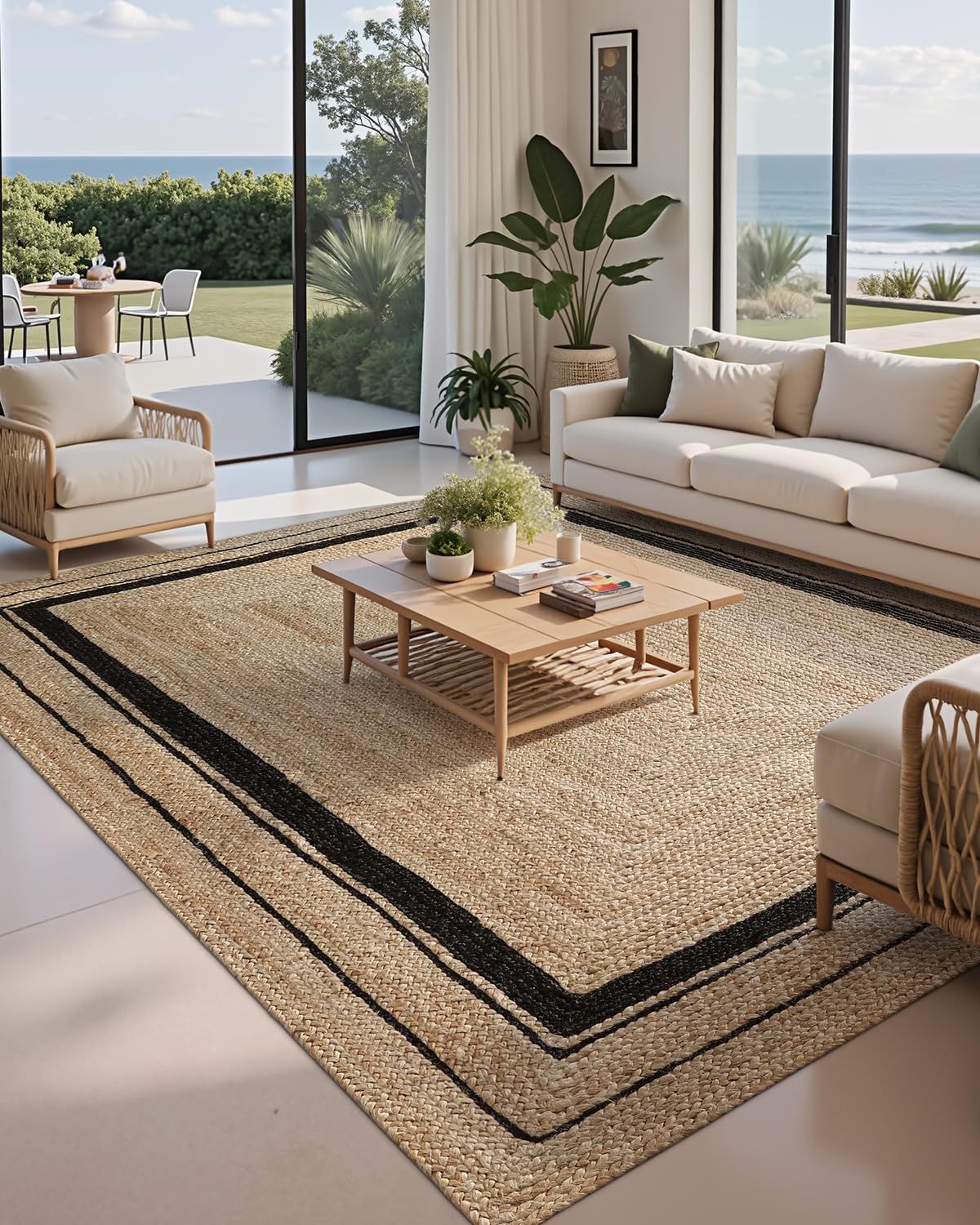
As we move through 2026, the definition of a luxury interior has fundamentally shifted. No longer is opulence measured solely by a price tag; today, true luxury is rooted in the story, the artisan, and the environmental footprint of a piece. At More Textiles, we’ve seen sustainable rugs transition from a “green” alternative to the absolute gold standard of high-end design.
This guide explores how ethically crafted floor art balances sophisticated aesthetics with a commitment to the planet.
The New Luxury: Integrity Over Opulence
In years past, “luxury” often meant excess. Today, it means intentionality. Modern homeowners are looking for transparency—they want to know that their décor reflects their personal values. When you choose a sustainable area rug, you aren’t just buying a floor covering; you are investing in fair wages, ancient craftsmanship, and a healthier planet. In penthouses from London to Tokyo, ethical production is the ultimate status symbol.
Materiality: Returning to Earth-First Fibers
The design world is decisively moving away from petroleum-based synthetics like nylon. In 2026, the focus is on materials that breathe.
- The Excellence of Wool: Wool remains the undisputed leader in luxury. However, the demand for More Textiles handmade rugs has pushed the focus toward traceable, ethically sourced wool from New Zealand and the Himalayas. It is naturally resilient, fire-resistant, and entirely biodegradable.
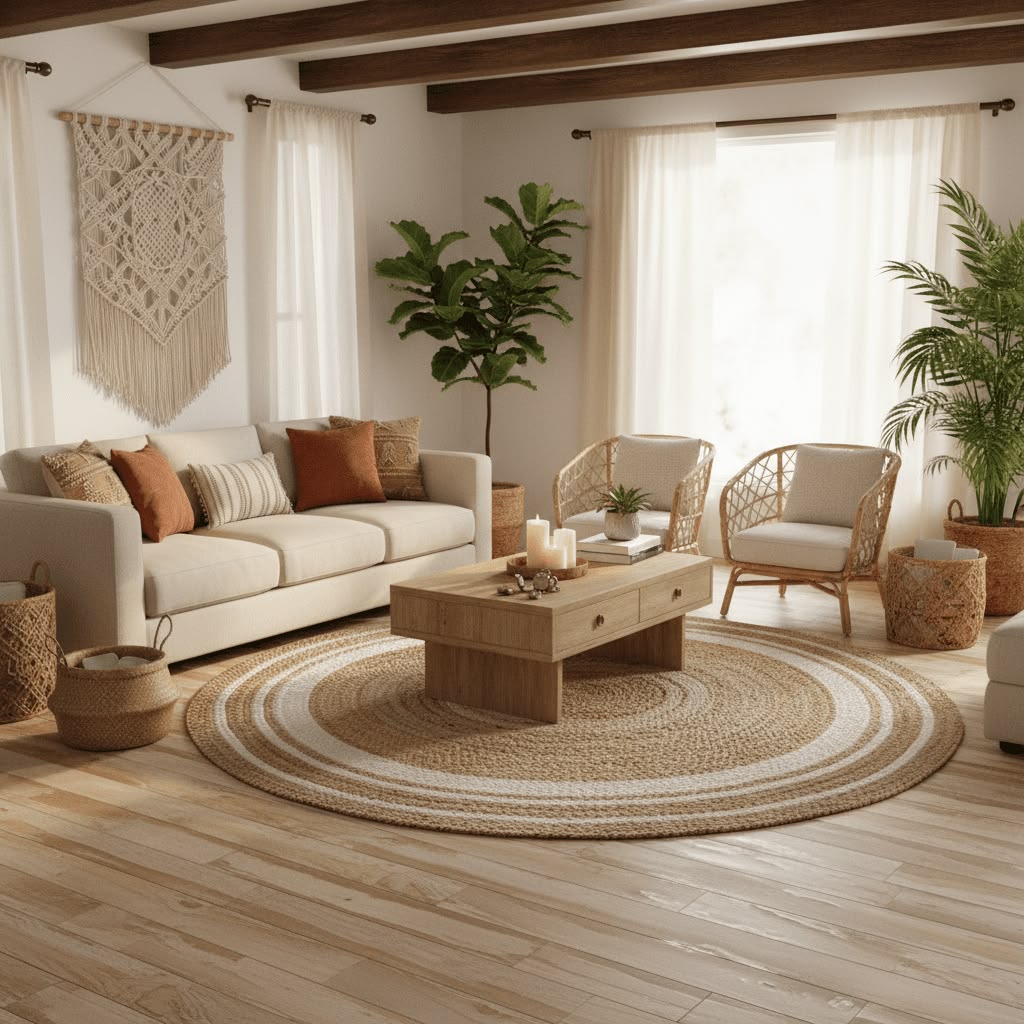
- The Plant-Fiber Renaissance: Jute and sisal have enjoyed a major “glow-up.” A high-quality 8×10 jute rug can ground a minimalist living room with warmth, while a 9×12 sisal rug offers the durability needed for high-traffic dining areas. Designers love layering these neutrals with colorful vintage pieces to create depth.
Health is Wealth: The Non-Toxic Sanctuary
Standard synthetic rugs are often cocktails of chemicals that “off-gas” (release VOCs) into your home for years. More Textiles prioritizes non-toxic area rugs to ensure your living space is a safe haven for children and pets.
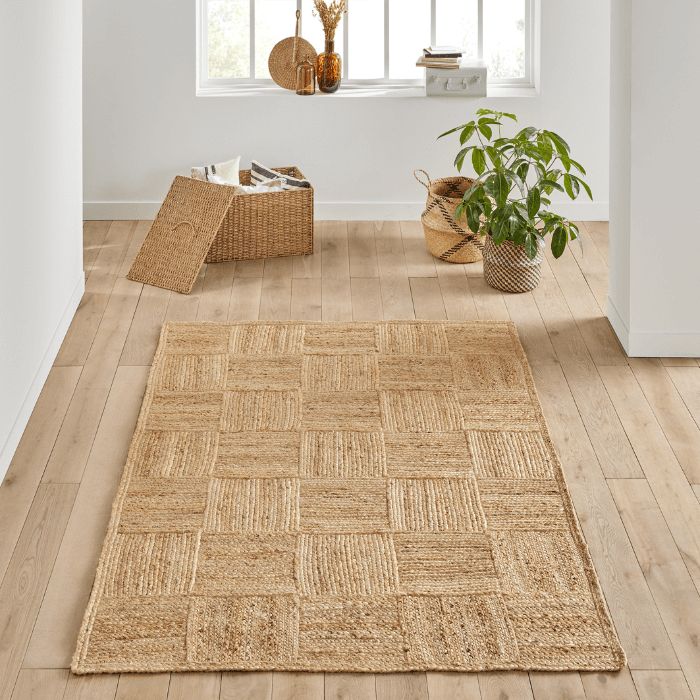
To complete the eco-friendly ecosystem, we recommend pairing your rug with a natural rubber or felt eco-friendly rug pad. Even the maintenance market has evolved, with specialized non-toxic rug cleaners now being the preferred choice for preserving high-end textiles without harsh chemistry.
Ethical Production: Honoring the Artisan
True luxury honors the hands that created it. By choosing sustainably made rugs, you are supporting specialized artisan communities and preserving heritage techniques. Certifications like GoodWeave and the Nest Seal of Ethical Handcraft are essential in 2026, guaranteeing that your purchase is free from child labor and supports fair-trade living wages.
Built to Last: Moving Beyond Fast Decor
The “fast fashion” mentality has no place in a curated home. The 2026 ethos is “Buy less, buy better.” Custom sustainable rugs allow for a level of personalization that ensures a piece fits your soul as well as your floor. From weather-resistant outdoor jute to bespoke indoor masterpieces, longevity is the core of our design philosophy at More Textiles.
The 2026 Sustainable Buyer’s Checklist
Before you invest, ensure your rug meets these criteria:
- Materials: Is it 100% natural (Wool, Jute, Sisal, or Silk)?
- Safety: Does it carry OEKO-TEX or GOTS certifications?
- Transparency: Can the brand trace the rug back to the specific artisan group?
- Foundation: Is the backing made of natural cotton or wool (rather than synthetic glue)?
- Social Impact: Is the brand committed to fair wages and ethical labor?
Final Thoughts
In 2026, an eco-friendly rug is more than a design choice—it’s a legacy. Whether it’s the organic texture of a jute rug in the hallway or a hand-knotted wool piece in the bedroom, these rugs remind us that the most beautiful interiors are the ones that are kind to the world.
FAQs
Are sustainable rugs truly heirloom quality? Yes. Unlike synthetic rugs that degrade as the glues crumble, More Textiles handmade rugs use resilient natural fibers and traditional knotting designed to last for generations.
How can I tell if a rug is actually non-toxic? Look for organic certifications (GOTS/OEKO-TEX) and avoid any rugs that utilize synthetic latex backings, which are the primary source of VOCs.
Is Bamboo Silk as durable as traditional silk? It offers the same brilliant sheen but is more sensitive to moisture. It’s perfect for low-traffic luxury spaces like bedrooms. For busier areas, we recommend a wool-and-silk blend.
What is the best way to clean these rugs? Avoid harsh steam cleaning. Use a dry extraction method or a pH-neutral, non-toxic cleaner to lift dirt without damaging the natural oils in the fibers.
Why is the price higher for ethical rugs? You are paying for months of human artistry, premium raw materials, and a transparent supply chain. It is an investment in quality that pays for itself over decades of use.