
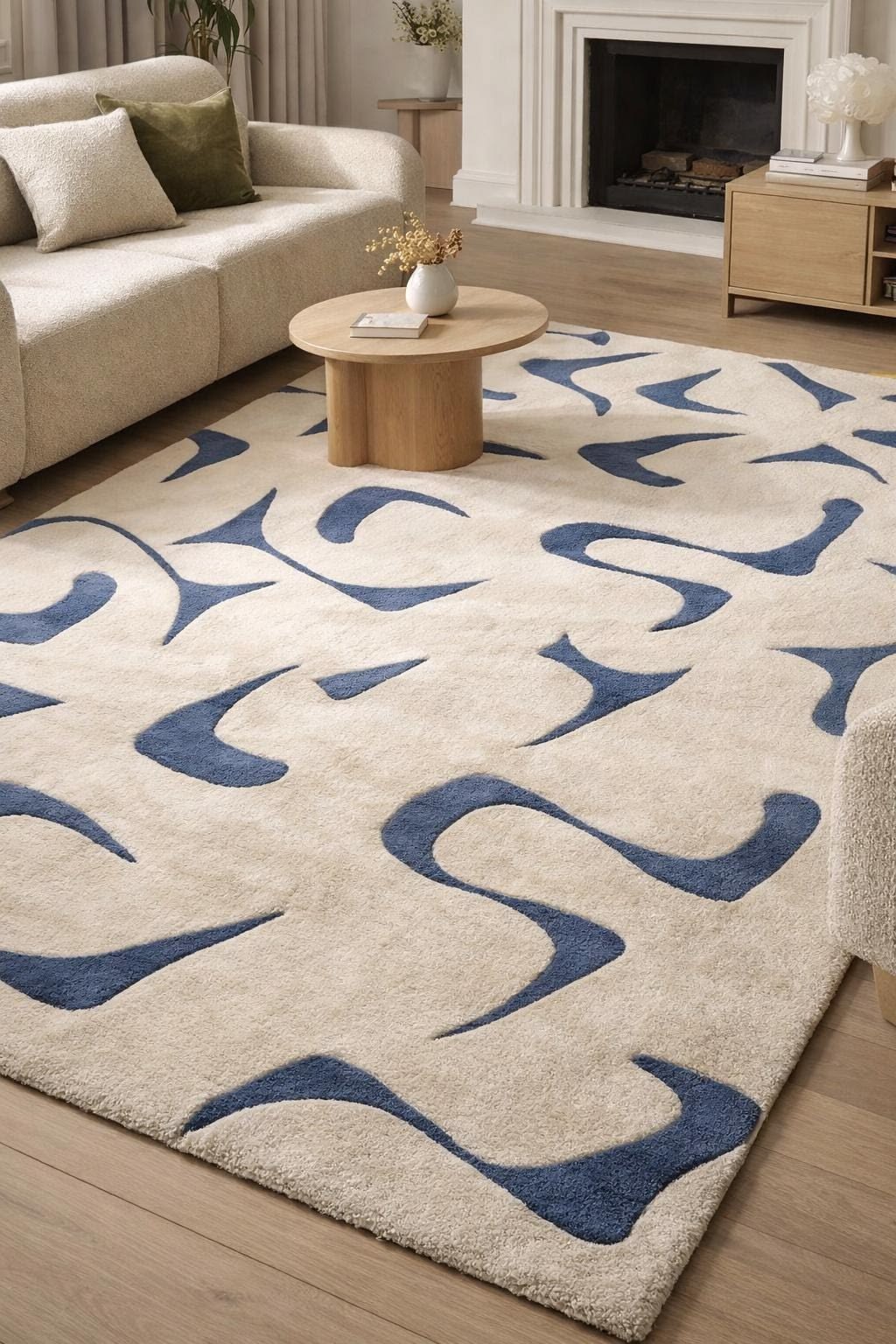
The global interior design landscape in 2026 has moved past “disposable decor.” Today’s homeowners and commercial designers are seeking pieces with a soul—items that tell a story of heritage while meeting the rigorous sustainability standards of the modern world. At the forefront of this movement is More Textiles, a name synonymous with quality, innovation, and ethical craftsmanship.
As one of the leading rug factories in India, More Textiles has transformed the traditional weaving landscape of Panipat into a global hub for high-end floor coverings. In this deep dive, we explore why India remains the world’s carpet capital and how More Textiles is setting new benchmarks for the industry.
1. India: The Unrivaled Epicenter of Rug Craftsmanship
For centuries, India has been a global powerhouse of handmade textiles. While technology has changed the way we communicate, the art of making a truly exceptional rug still relies on the human hand. India’s rug industry is a unique ecosystem where ancient techniques like hand-knotting and hand-tufting coexist with modern design sensibilities.
The Regional Strength: Panipat and Beyond
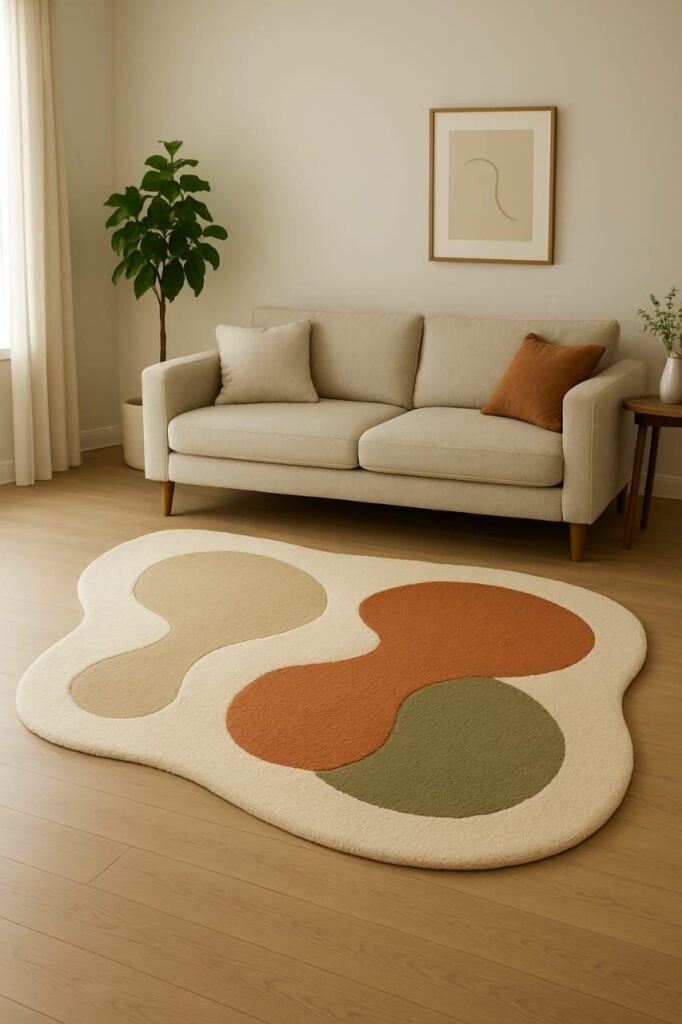
While cities like Bhadohi and Jaipur are famous for traditional patterns, Panipat—where More Textiles is based—has emerged as the leader in modern flatweaves, sustainable jute rugs, and contemporary hand-tufted designs. The region’s ability to adapt to rapid fashion cycles while maintaining artisanal integrity is why “Made in India” remains the gold standard for international retailers.
2. More Textiles: A Legacy of Excellence
More Textiles isn’t just a manufacturer; it’s an export powerhouse. Being a Leading Rugs Factory in India, the company has spent years perfecting a vertical integration model that ensures every thread is accounted for.
What Sets More Textiles Apart?
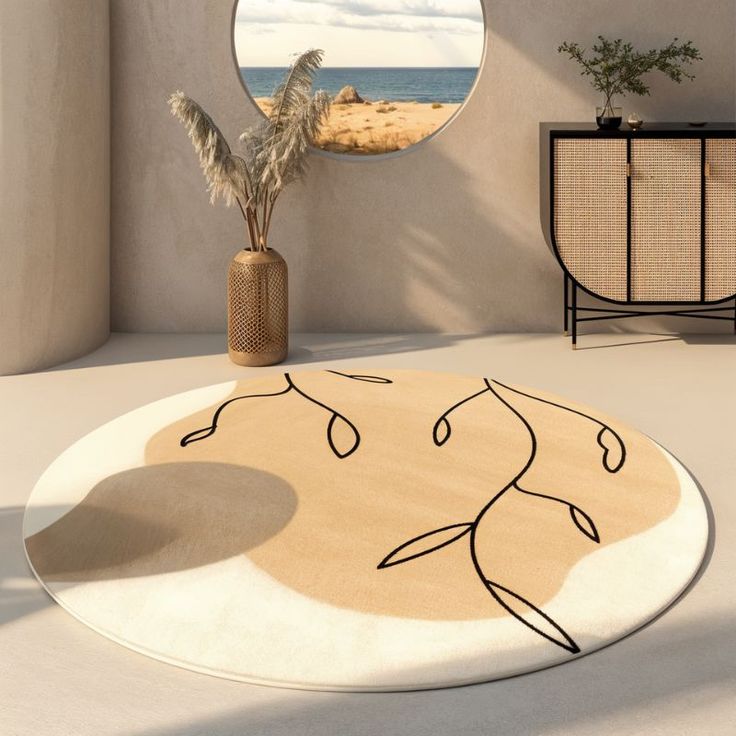
- Design Intelligence: Unlike factories that simply follow blueprints, More Textiles collaborates with global designers to predict trends. In 2026, we are seeing a shift toward “Quiet Luxury”—muted tones, rich textures, and organic irregularities—all of which are specialties of the More Textiles design studio.
- Scale and Precision: With a massive production capacity, the factory can handle bulk orders for global retail chains while maintaining the precision required for bespoke, one-of-a-kind designer pieces.
- Material Mastery: From premium New Zealand wool to eco-friendly PET yarn (made from recycled plastic bottles), the factory utilizes a diverse palette of fibers to suit every price point and durability requirement.
3. The 2026 Rug Trends: What’s Moving the Market?
To stay at the top, a factory must anticipate the needs of the market. According to current 2026 design forecasts, several key trends are defining the industry:
A. Texture Over Pattern
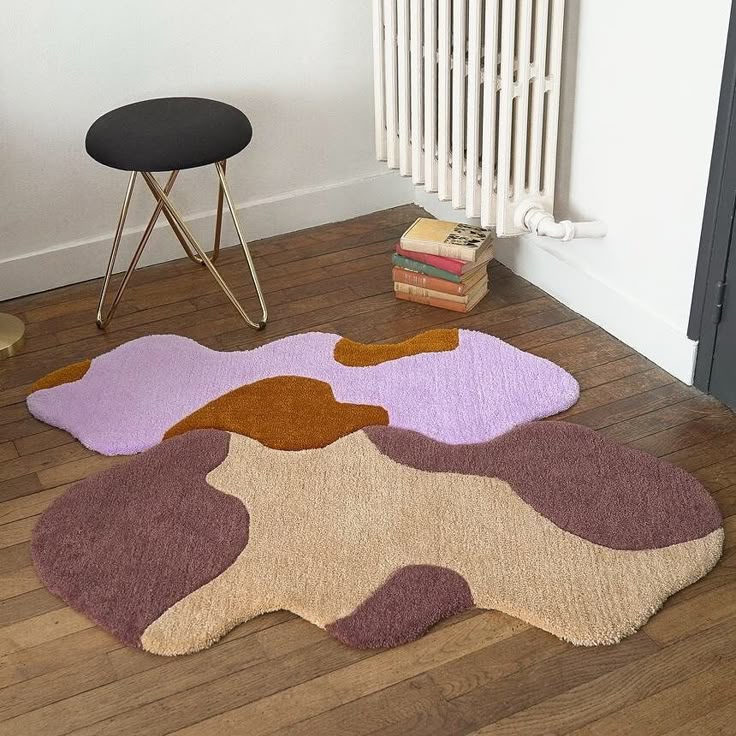
The “Pattern Drama” of the past decade is being replaced by Texture. Rugs with high-low piles, carved details, and varied weaving techniques (like combining loop and cut piles) are in high demand. These rugs add depth to a room without cluttering it visually.
B. Nature’s Palette
Stark whites are out. Warm, nature-based neutrals like oat, mushroom, stone, and terracotta are the preferred choices. More Textiles’ dyeing department uses advanced, eco-safe pigments to achieve these layered, “antique” looks that feel lived-in and comfortable.
C. The Rise of “Sustainable Luxury”
Buyers are no longer just asking about the price; they are asking about the planet. More Textiles has led the charge by incorporating biodegradable fibers like jute, hemp, and organic cotton into high-end collections, proving that sustainability can be incredibly luxurious.
4. The Journey of a Rug: Inside the More Textiles Factory
The manufacturing process at a leading Indian factory is a blend of sweat, skill, and science. Here is how a More Textiles rug comes to life:
- Fiber Selection & Dyeing: High-quality raw wool or cotton is sourced and washed. It is then dyed in large vats using a “Dipping” process that ensures color fastness and vibrancy.
- The Loom Stage: Depending on the order, the rug is either hand-knotted (the most durable), hand-tufted (using a specialized gun to punch yarn into a canvas), or hand-loomed (ideal for flatweaves).
- The “Sua Birai” (Design Correction): Artisans go over every inch of the rug with skewers to untangle fibers and define the design.
- Shearing and Washing: The rug is sheared to a uniform pile height and washed with natural detergents to bring out its natural luster.
- Final Binding: The edges are hand-bound to prevent fraying, ensuring the rug can withstand decades of foot traffic.
5. Why Global Buyers Choose Indian Manufacturers
Sourcing from a leading factory like More Textiles offers distinct advantages for wholesalers and retailers:
- Competitive Pricing: The cost-to-quality ratio of https://moretextiles.in/Indian handmade rugs is unmatched by any other region.
- Customization: Indian factories are famous for their “Private Label” services. Whether you need a 20×30 foot rug for a hotel lobby or a 100-piece collection for a boutique, the flexibility is unparalleled.
- Ethical Compliance: More Textiles adheres to strict international labor laws, ensuring a child-labor-free environment and fair wages for all artisans.
6. Conclusion: Shaping the Floors of Tomorrow
As we move through 2026, the rug is no longer just a floor covering—it is the foundation of the home’s energy. More Textiles continues to lead the industry in India by respecting the heritage of the past while embracing the technology and ethics of the future. Whether you are a homeowner looking for a statement piece or a global retailer seeking a reliable manufacturing partner, the quality emerging from this Indian rug factory stands as a testament to human creativity.
Frequently Asked Questions (FAQs)
1. Why is More Textiles considered a leader in the Indian rug industry?
More Textiles stands out due to its high production capacity, commitment to sustainable materials, and a robust export network that serves over 30 countries. Their blend of traditional craftsmanship and modern quality control makes them a top choice for global sourcing.
2. What types of rugs does More Textiles specialize in?
The factory specializes in a wide range of products including Hand-Tufted Woolen Rugs, Sustainable Jute Rugs, Hand-Loomed Flatweaves, and Decorative Cushions. They are also known for their ability to produce bespoke designs for interior projects.
3. Does the factory follow sustainable manufacturing practices?
Yes. Sustainability is a core pillar of More Textiles. The factory uses biodegradable fibers, eco-friendly dyes, and has implemented water-recycling and zero-waste initiatives in its manufacturing process.
4. Can More Textiles handle custom (Private Label) orders for international brands?
Absolutely. One of their primary services is working with international retailers and designers to create custom collections, including specific color matching (Pantone), custom sizing, and unique material blends.
5. What is the typical lead time for a bulk export order?
Lead times vary depending on the complexity of the rug. Generally, hand-tufted orders are completed within 6-8 weeks, while more complex hand-knotted collections may require longer. More Textiles provides transparent tracking and scheduling for all export clients.
6. Where is the More Textiles factory located?
The factory is located in Panipat, Haryana, which is India’s premier hub for home textiles and modern rug manufacturing.