
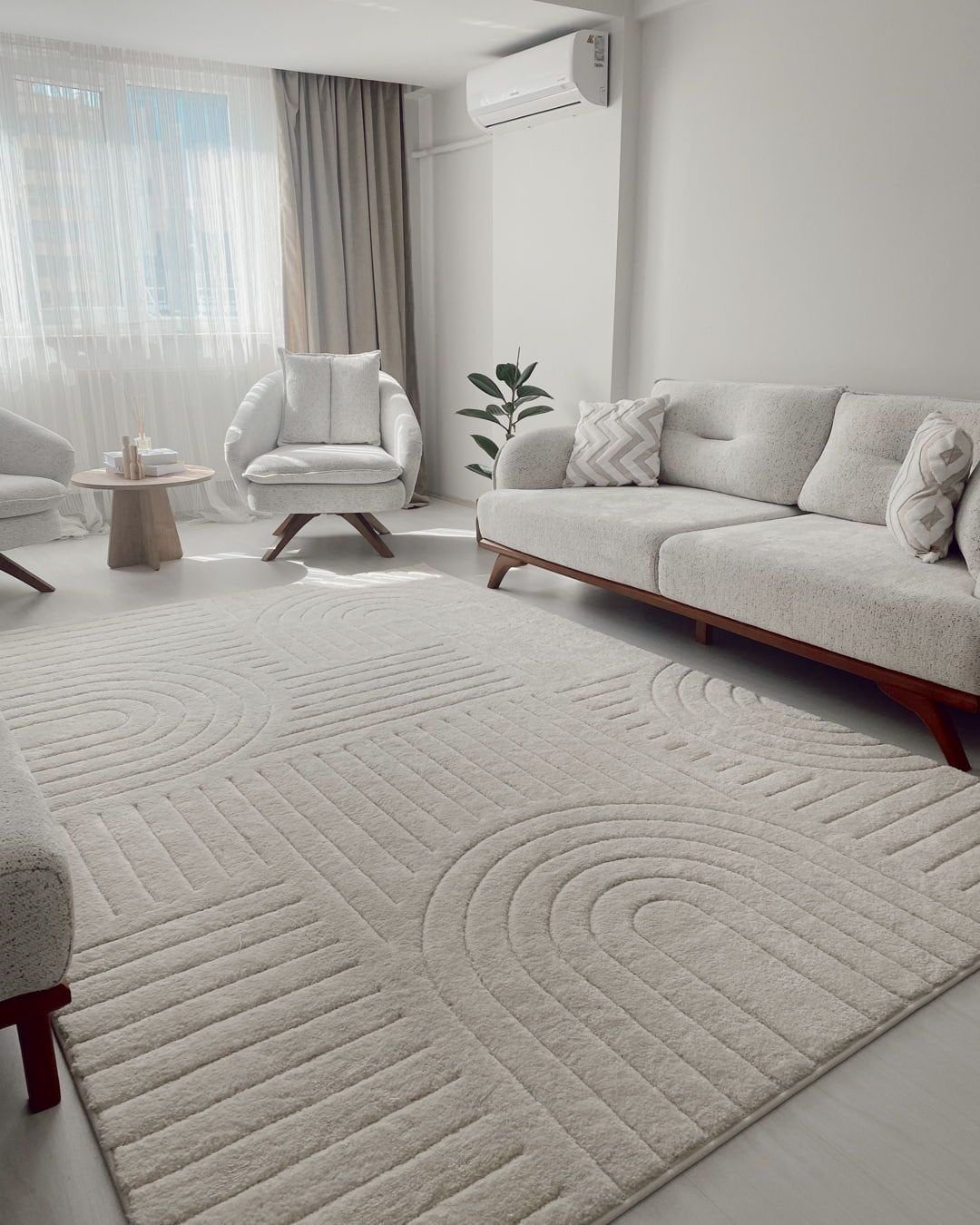
In the design landscape of 2026, the definition of a “luxury home” has undergone a radical transformation. We have moved past the era of hollow aesthetics and performative decor. Today, the most sophisticated homes are not those that look the best on a screen, but those that feel the best to the human nervous system. This is the era of Wellness-Focused Design, a movement that prioritizes the physiological impact of a space over its visual pedigree.
At the heart of this shift is a realization that has been overlooked for decades: the most influential surface in any home is not the walls, the ceiling, or the furniture—it is the floor. As the primary point of physical contact between the inhabitant and the architecture, the floor acts as a silent foundation for health. This is why More Textiles is leading the conversation on natural fiber rugs, treating them not as decorative accessories, but as vital wellness infrastructure for the modern age.
Redefining Wellness: Beyond the Visual Calm
For years, “wellness” in interior design was reduced to a checklist of houseplants, essential oil diffusers, and a neutral color palette. While these elements have their place, they are superficial. True wellness is cumulative and deeply physical. It is dictated by the materials that interact with our skin and our respiratory systems 24 hours a day.
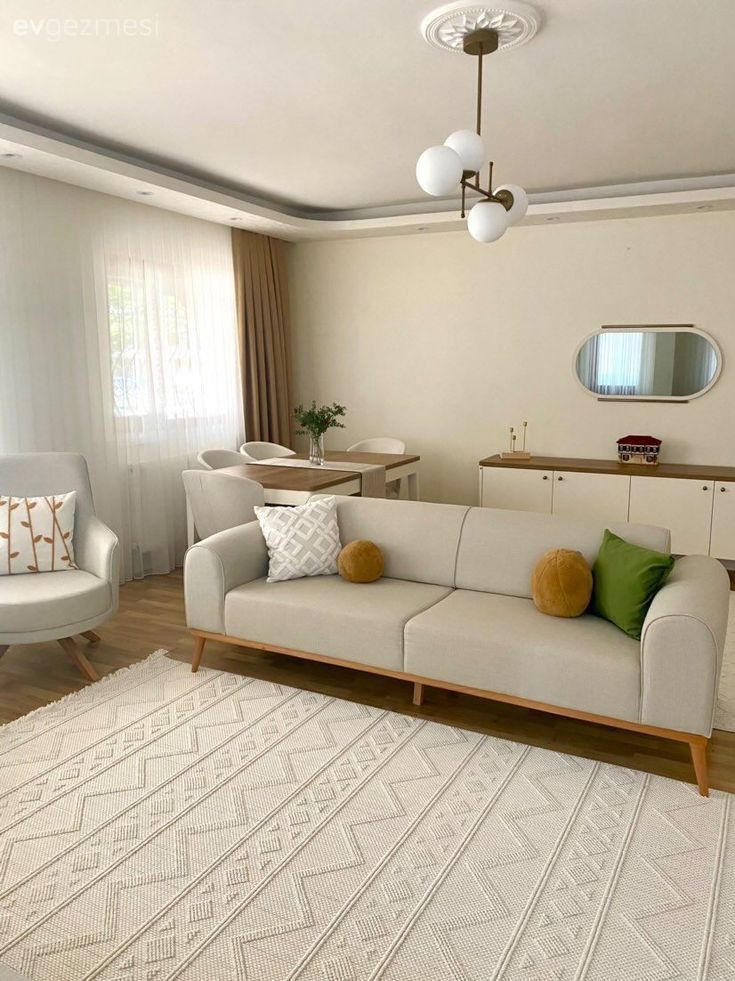
In 2026, a wellness-focused home is designed like a living system. It acknowledges that:
- Air is Fluid: Materials should allow for air movement rather than acting as a seal that traps toxins.
- Touch is Primary: In many global cultures, including Indian households, the floor is a place for sitting, playing, and resting. The quality of that surface dictates the quality of that experience.
- Toxicity is Invisible: Synthetic materials often undergo “off-gassing,” releasing volatile organic compounds (VOCs) into the air. A healthy home minimizes these invisible stressors.
When we look at the home through this lens, the choice of a rug becomes one of the most significant health decisions a homeowner can make.
The Architecture of the Floor: Why it Matters Most
Why do floors hold more weight than wall colors or lighting in the wellness hierarchy? The answer lies in material mass and proximity.
Floors account for the largest continuous surface area in a home. Unlike a painting on a wall or a decorative vase on a shelf, the floor is in constant use. It holds the highest thermal mass, meaning it regulates the temperature of the room. It is also where gravity deposits the majority of indoor pollutants.
If your floor is covered in synthetic, petroleum-based fibers, you are essentially living atop a massive plastic filter that collects dust and releases microplastics. Conversely, a natural fiber rug from More Textiles acts as a biological extension of the home. It breathes, it regulates humidity, and it provides a grounding tactile experience that synthetic materials simply cannot replicate.
How Natural Fiber Rugs Act as Wellness Infrastructure
The transition to natural materials—such as wool, jute, hemp, and sisal—is not just about being “eco-friendly.” It is about the specific ways these materials behave in a lived-in environment.
1. Respiratory Health and Air Quality
Most people assume that “soft” flooring is bad for allergies. In reality, it is the type of fiber that matters. Synthetic rugs often have deep, shaggy piles made of plastic that trap dust mites and dander in a way that makes them nearly impossible to vacuum out.
Natural fibers, particularly jute and hemp flatweaves, have a unique structure. They don’t hold a static charge, which means they don’t “magnetize” dust. Dust stays on the surface where it can be easily removed. Furthermore, natural fibers do not shed microplastics into the air, ensuring that the air your family breathes is as pure as possible.
2. The Acoustic Sanctuary
In an increasingly loud and connected world, neurological stress is often triggered by “acoustic clutter.” Hard surfaces reflect sound, creating echoes and high-frequency noise that keep the brain in a state of low-level alert.
A high-quality, hand-knotted wool rug is one of the world’s best natural sound insulators. By absorbing mid-to-high frequency sounds, these rugs lower the ambient noise level of a room, facilitating deeper concentration, better sleep, and more meaningful conversation. This is “acoustic wellness”—the invisible comfort of a quiet room.
3. Sensory Grounding and the Barefoot Benefit
The concept of “Earthing” or grounding suggests that physical contact with the earth can reduce inflammation and stress. While we can’t always be outside, walking barefoot on natural textures like sisal or wool provides a similar sensory feedback.
Synthetic fibers feel uniform and “dead” to the touch. In contrast, natural fibers have a rich, varied topography. Walking on a hand-tufted natural rug stimulates the nerve endings in the feet, providing a subtle, grounding massage throughout the day. In 2026, we recognize that this sensory input is a key component of emotional regulation.
The Material Science: Selecting Your Foundation
Choosing a rug for a wellness-focused home requires understanding the unique “personality” of each natural fiber. At More Textiles, we categorize our collections by their functional benefits:
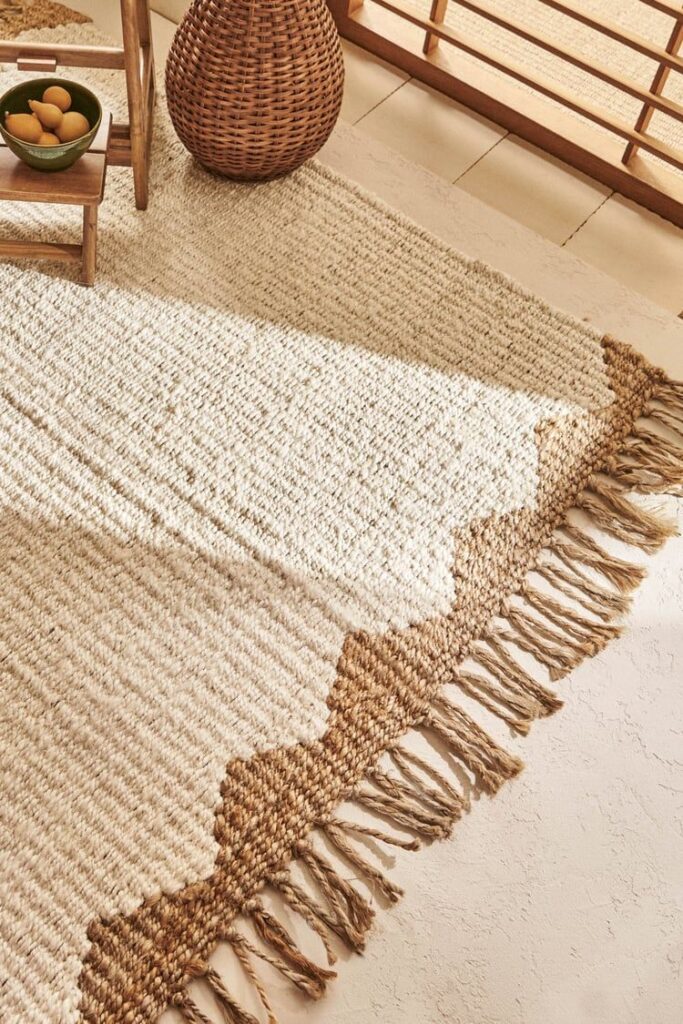
The Comfort of Wool
Wool is the undisputed king of wellness fibers. It is naturally flame-retardant, antimicrobial, and stain-resistant due to the lanolin in its fibers. Most importantly, wool is a “hygroscopic” material—it absorbs moisture from the air when the room is humid and releases it when the air is dry. This natural humidity regulation prevents the growth of mold and keeps your home’s climate balanced.
The Strength of Hemp
Hemp is the unsung hero of the sustainable home. It is incredibly durable and actually becomes softer with every year of use. For homes with pets or high foot traffic, hemp is a wellness powerhouse because it is naturally resistant to bacteria and pests without the need for toxic chemical treatments.
The Breathability of Jute
Jute rugs are ideal for those seeking an “organic modern” look. Because jute fibers are thick and porous, they allow for maximum airflow. This makes them perfect for warmer climates, as they don’t trap heat against the floor, keeping the room naturally cooler.
The Resilience of Sisal
Derived from the agave plant, sisal is the toughest of the natural fibers. It is excellent for “high-activity” wellness—areas where you might do yoga, stretch, or where children play. It provides a firm, stable surface that encourages movement and activity.
Beyond Decor: The Ethical Connection
Wellness is also a state of mind. It is difficult to feel truly “well” in a home filled with products made through exploitative labor or environmentally destructive processes.
In 2026, the provenance of a rug is as important as its texture. More Textiles focuses on the “Human-to-Human” connection. When you know that your rug was handmade by artisans using centuries-old techniques, that energy translates into the home. There is a psychological peace that comes from surrounding yourself with objects that were made with intention and respect for the planet.
The Future of the Healthy Home
As we move further into 2026, the “Wellness Shift” will only accelerate. We are seeing a move away from the “disposable” culture of fast-furniture and a return to heirloom-quality pieces. A natural fiber rug is an investment in your future health. It is a commitment to a home that supports your body rather than taxing it.
The question for the modern homeowner is no longer “What color should my rug be?” but rather “What do I want my home to do for me?” If you want your home to be a sanctuary of clean air, quiet nerves, and physical comfort, you must start with the foundation. You must start with what touches your feet every single day.
Summary Table: Natural Fibers vs. Synthetics
| Feature | Natural Fiber Rugs (More Textiles) | Synthetic Rugs (Polyester/Nylon) |
| Air Quality | Low VOCs, no microplastic shedding. | High VOC off-gassing, sheds microplastics. |
| Static Electricity | Low to none; does not attract dust. | High; acts as a magnet for dander and hair. |
| Longevity | Improves with age; biodegradable. | Degrades over time; stays in landfills for centuries. |
| Tactile Experience | Grounding, varied, and breathable. | Uniform, heat-trapping, and “plasticky.” |
| Health Benefit | Regulates humidity and reduces allergens. | Can trigger respiratory issues and skin irritation. |
Frequently Asked Questions (FAQs)
How long do natural fiber rugs last compared to synthetic ones?
While synthetic rugs may look good for the first year, they often mat and “ugly out” quickly. Natural fiber rugs from More Textiles, especially wool and hemp, are built to last decades. Because the fibers are resilient, they bounce back from foot traffic and develop a beautiful patina over time.
Are these rugs difficult to clean?
This is a common myth. Because natural fibers like wool and jute don’t have the static charge of plastic, dirt doesn’t “stick” to them. Regular vacuuming is usually all that’s needed. For spills, natural fibers are surprisingly resilient—wool, in particular, has a natural protective coating that repels liquids.
Can natural rugs be used in humid environments?
Yes, but choice matters. Hemp and Jute are exceptionally breathable and handle humidity well. They are the preferred choice for Indian homes and tropical climates because they don’t trap moisture against the subfloor, which prevents the “musty” smell associated with synthetic carpets.
Why is “hand-knotted” better for wellness than machine-made?
Machine-made rugs often use toxic glues to hold the backing together. Hand-knotted rugs are held together by tension and craftsmanship alone. This means there are no hidden chemicals or adhesives breaking down under your feet.
More Textiles
More Textiles is a pioneer in wellness-driven interior design, specializing in handcrafted rugs that bridge the gap between aesthetic luxury and physical wellbeing. By prioritizing high-quality natural fibers like jute, hemp, and wool, we create “living infrastructure” designed to improve indoor air quality, provide sensory grounding, and support sustainable living. At More Textiles, we believe that a beautiful home should also be a healthy one, starting with the very foundation beneath your feet.