
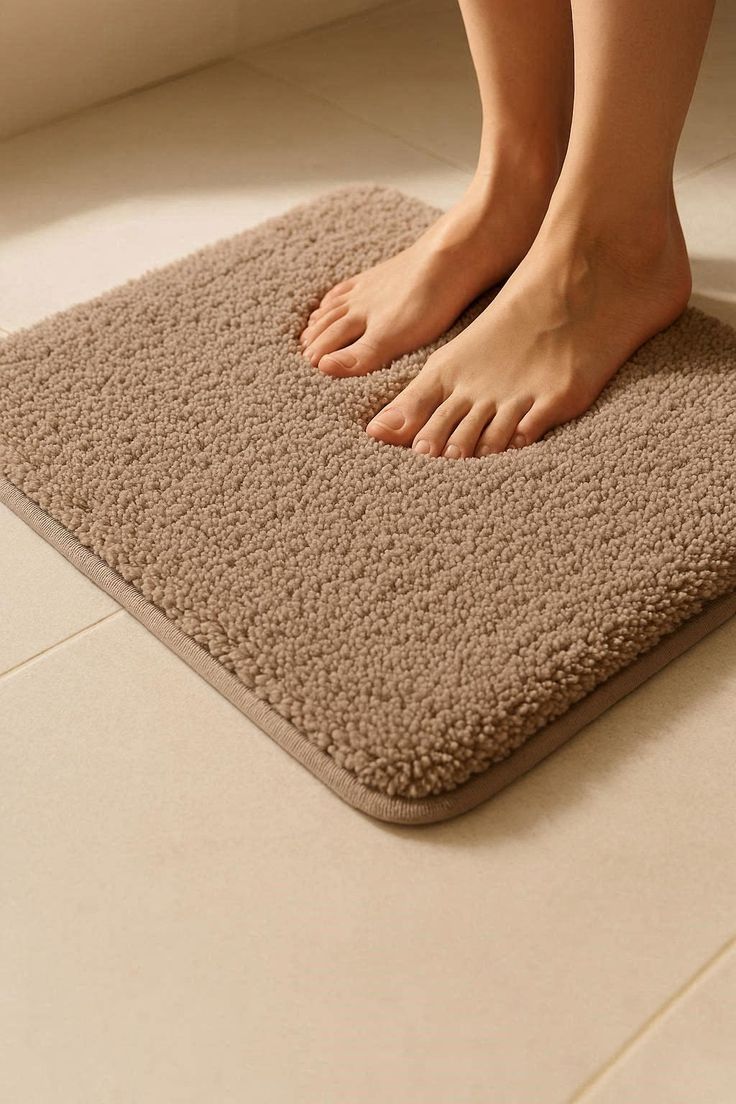
In the competitive landscape of the global textile industry, India has emerged as a powerhouse for microfiber production. Characterized by its ultra-fine filaments—thinner than a strand of silk—microfiber has revolutionized cleaning, automotive detailing, and industrial applications.
Among the key players, More Textiles stands out as one of the Leading Manufacturers And Exporters Of Microfiber In India, setting benchmarks for quality and innovation. This guide explores the microfiber industry in India, the technical superiority of More Textiles, and why this material is the future of textiles.
1. The Rise of Microfiber in India
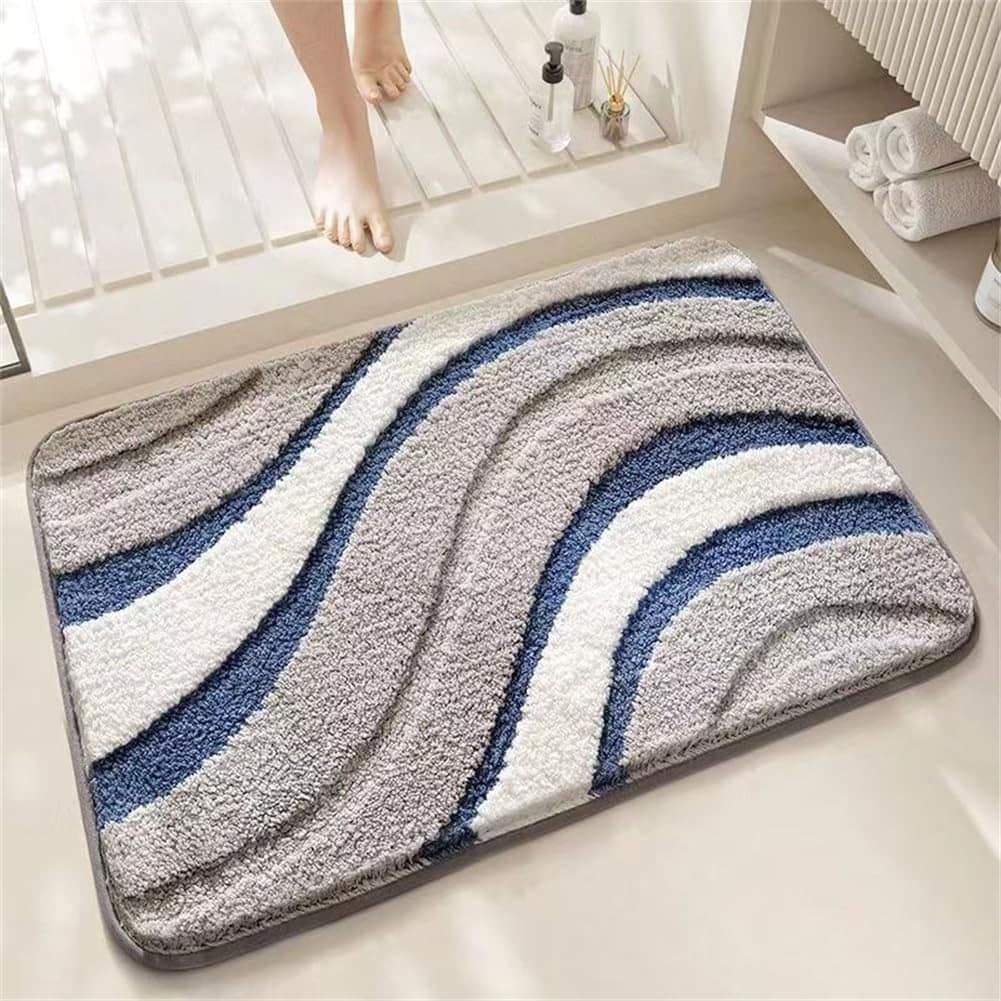
The Indian textile sector is witnessing a paradigm shift from traditional cotton to high-performance synthetic fibers. Microfiber, typically a blend of Polyester (80%) and Polyamide (20%), is at the forefront of this change.
Why India is a Global Hub:
- Infrastructure: Cities like Surat and Panipat have become global hubs for advanced spinning and weaving.
- Cost-Effectiveness: India offers high-quality production at competitive price points compared to European counterparts.
- Export Excellence: Companies like More Textiles have bridged the gap between local craftsmanship and international standards, exporting to North America, Europe, and Southeast Asia.
2. More Textiles: A Leader in Microfiber Innovation
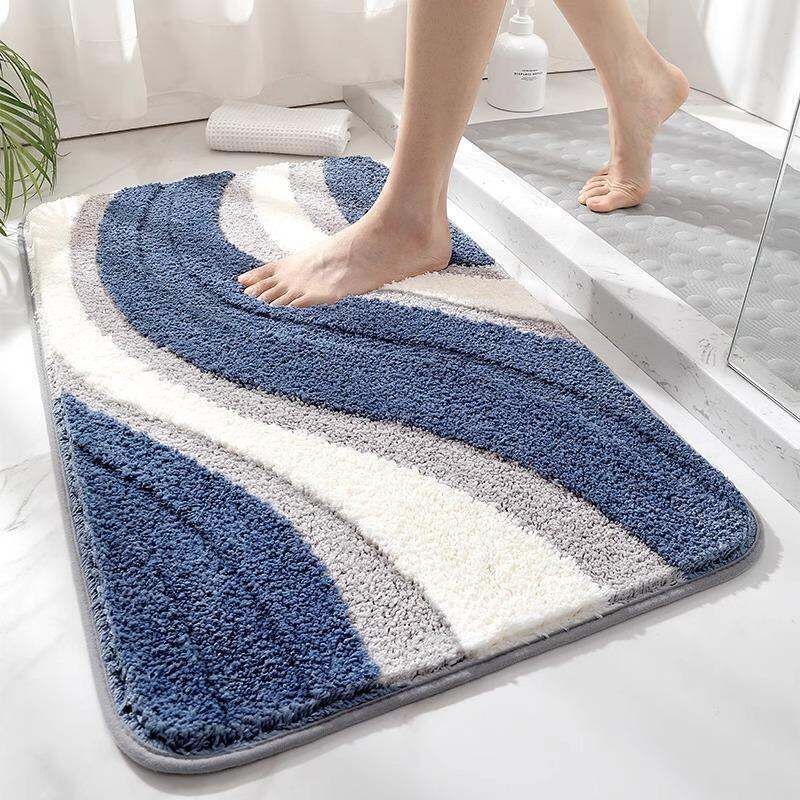
When discussing the titans of the industry, More Textiles is a name synonymous with reliability and large-scale manufacturing. As a premier manufacturer and exporter, they specialize in high-GSM (Grams per Square Meter) fabrics that cater to specialized markets.
What Sets More Textiles Apart?
- Integrated Manufacturing: From yarn extrusion to the final finishing, they maintain strict control over the entire value chain.
- Customization: They provide OEM services, allowing brands to customize GSM, colors, and sizes for global retail.
- Quality Ratios: Unlike budget manufacturers who use 100% polyester, More Textiles utilizes premium 80/20 and 70/30 blends to ensure maximum water pick-up and durability.
3. Selecting the Right Fabric: Comparison Chart
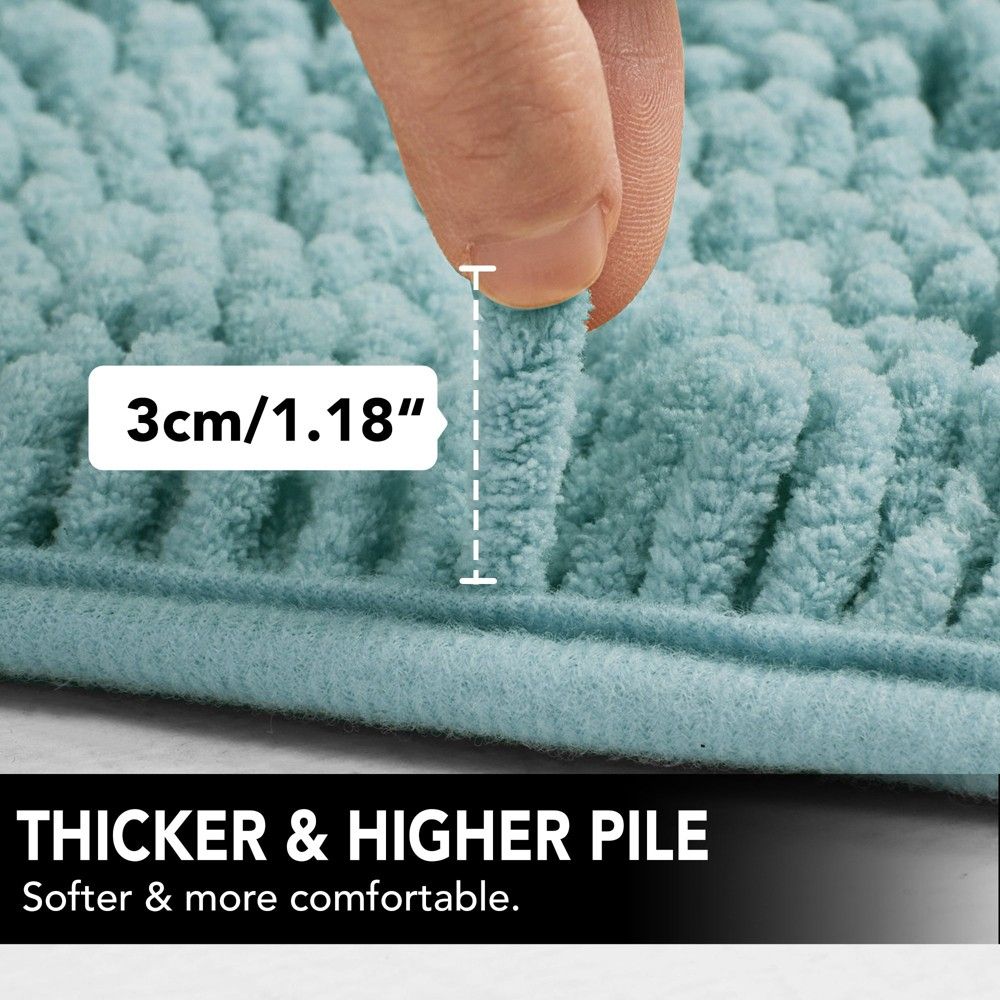
Not all microfibers are created equal. Use this chart to determine the best material for your specific needs.
| Type of Weave | Recommended GSM | Best Use Case | Key Benefit |
| Terry Weave | 200 – 350 | General Purpose Cleaning | Cost-effective; “Jack of all trades.” |
| Waffle Weave | 300 – 400 | Glass & Kitchen Drying | No streaks; high liquid capacity. |
| Plush/Dual Pile | 400 – 600 | Automotive Buffing | Ultra-soft; prevents swirl marks. |
| Suede | 150 – 200 | Lens & Screen Cleaning | Flat weave; lint-free for delicate optics. |
| Super Plush | 800 – 1200 | Heavy Duty Drying | Maximum absorbency; feels like “teddy fur.” |
4. How to Maintain Microfiber for Long-Term Use
High-quality microfiber from More Textiles can last for over 300 washes if maintained correctly. Follow these expert tips:
The Golden Rules of Washing:
- No Fabric Softeners: Softeners clog the microscopic “hooks” of the fiber, rendering the cloth useless for trapping dust.
- Avoid Heat: Never iron microfiber. High heat can actually melt the synthetic filaments. Always use a low-heat or air-dry setting.
- Separate the Loads: Never wash microfiber with cotton towels. The microfiber will “grab” the lint from the cotton, making it less effective.
- Use Liquid Detergent: Avoid powder detergents as undissolved granules can get trapped in the weave.
5. Frequently Asked Questions (FAQs)
Q1: Why is More Textiles considered a top exporter?
A: Due to their adherence to international quality standards, large-scale production capacity, and ability to deliver consistent 80/20 polyamide blends which are highly sought after in the US and European markets.
Q2: What is GSM, and why does it matter?
A: GSM stands for Grams per Square Meter. It measures the density of the fabric. A higher GSM generally means a thicker, more absorbent towel (ideal for drying cars), while a lower GSM is better for lightweight tasks like cleaning eyeglasses.
Q3: Can I clean with just water using these cloths?
A: Yes! The split-fiber technology used by manufacturers like More Textiles creates a mechanical “scrubbing” action that removes 99% of bacteria and dirt with just water, reducing the need for chemicals.
Q4: How do I know if the microfiber is “split”?
A: Perform the “grab” test. Run your hand over the cloth; if it slightly “clings” to the ridges of your skin, the fibers are properly split and of high quality.
6. Conclusion
The Indian microfiber industry is no longer just a “budget” alternative; it is a global leader in technical textiles. Companies like More Textiles have paved the way by combining massive production capacity with the precision required for high-end detailing and industrial products.