
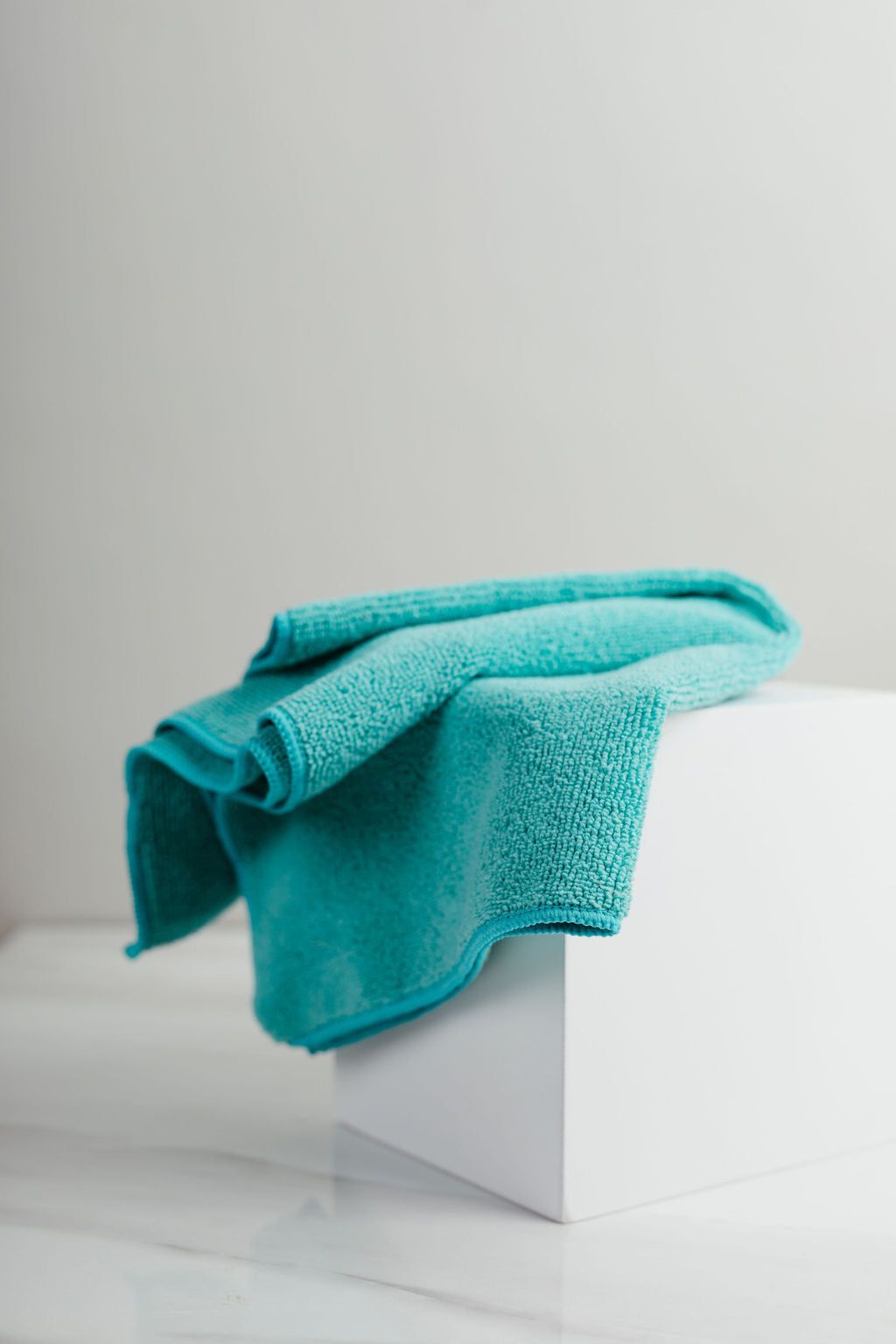
In the world of home maintenance and professional janitorial services, there is one tool that consistently outshines the rest. It isn’t a high-tech vacuum or a powerful chemical solvent; it’s the humble microfiber cloth.
If you’ve ever wondered why professional car detailers, hospital cleaning crews, and high-end housekeepers swear by these colorful cloths, the answer lies in a blend of advanced textile engineering and environmental efficiency. Today, we’re diving deep into the science, the benefits, and the best practices that make microfiber the undisputed king of cleaning.
1. What Exactly is Microfiber? (The Science of Small)
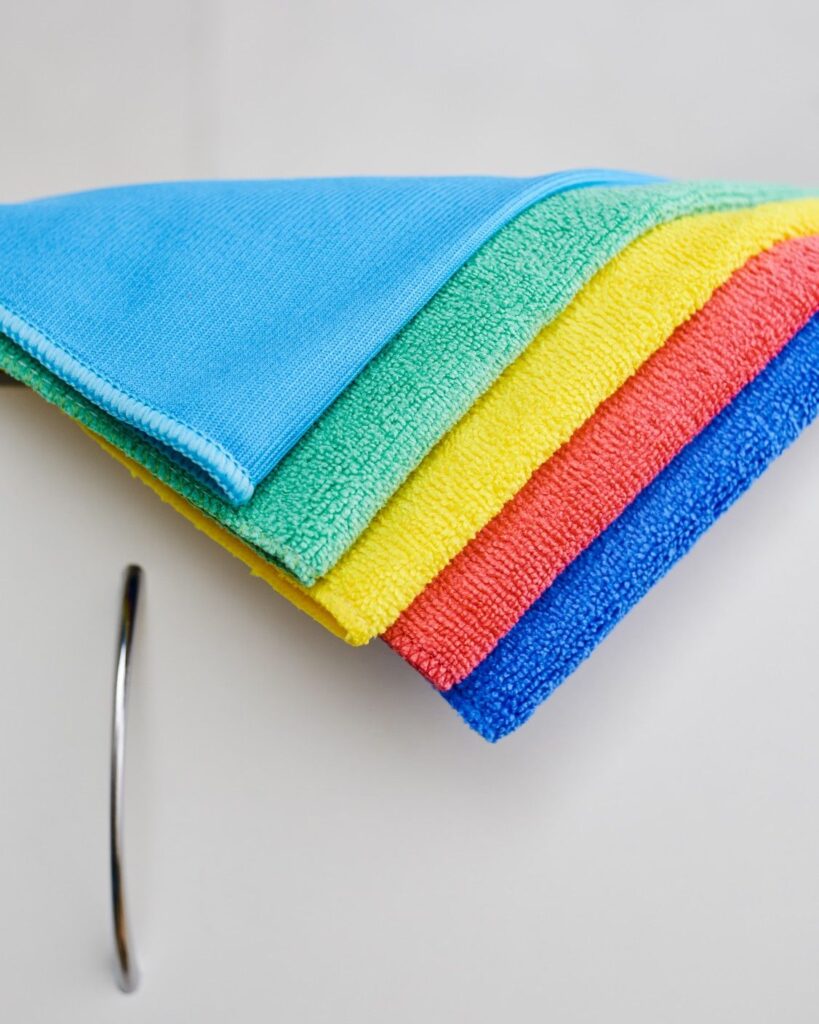
To understand why microfiber is the best cleaning tool, we have to look at it under a microscope. By definition, a microfiber is a synthetic fiber that is finer than one denier—roughly 1/100th the diameter of a human hair.
Most high-quality cleaning cloths are made from a blend of two polymers:
- Polyester: Provides the structure and scrubbing power.
- Polyamide (Nylon): Provides the density and incredible absorbency.
The Power of the “Split”
Not all microfiber is created equal. Cheap cloths found at discount stores are often “unsplit,” meaning they feel soft but don’t actually clean well. High-performance split microfiber undergoes a process where the fibers are chemically or mechanically split.
This splitting creates a “multi-edged” fiber. Instead of a round fiber that simply pushes dirt across a surface, split microfiber looks like a star or a wedge. These millions of tiny “hooks” act like microscopic shovels, scooping up dust, grease, and even pathogens and locking them deep within the fabric’s weave.
2. Unmatched Cleaning Efficiency: Mechanical vs. Chemical

The traditional way of cleaning relies on chemistry. You spray a surfactant (soap) to loosen the dirt, and then you use a cotton rag to wipe it away. The problem? Cotton is organic and round; it often leaves behind more than it picks up, necessitating multiple passes and heavy chemical use.
Microfiber shifts the focus to mechanical cleaning.
- Bacteria Removal: Peer-reviewed studies, including those by the American Cleaning Institute, have shown that high-quality microfiber can remove up to 99% of bacteria and 93% of viruses from a surface using nothing but water.
- Van der Waals Forces: On a molecular level, the massive surface area of these tiny fibers creates a physical attraction (Van der Waals forces) that literally pulls dirt particles off the surface and into the cloth.
3. The Environmental and Economic Impact
In 2025, sustainability is no longer optional. Switching to microfiber is one of the easiest ways to implement eco-friendly cleaning in your home or business.
Reducing Chemical Runoff
Because microfiber is so effective at lifting grease and grime mechanically, you can reduce your reliance on glass cleaners, all-purpose sprays, and disinfectants. This means fewer chemicals entering your home’s air and the local water system.
Eliminating Single-Use Waste
Consider the life cycle of a paper towel. You use it once, and it goes to a landfill. A single high-quality microfiber towel can be laundered and reused up to 500 times. Even with the initial higher cost, the “cost-per-use” of microfiber is a fraction of what you would spend on disposable products.
4. Understanding GSM: Choosing the Right Tool for the Job
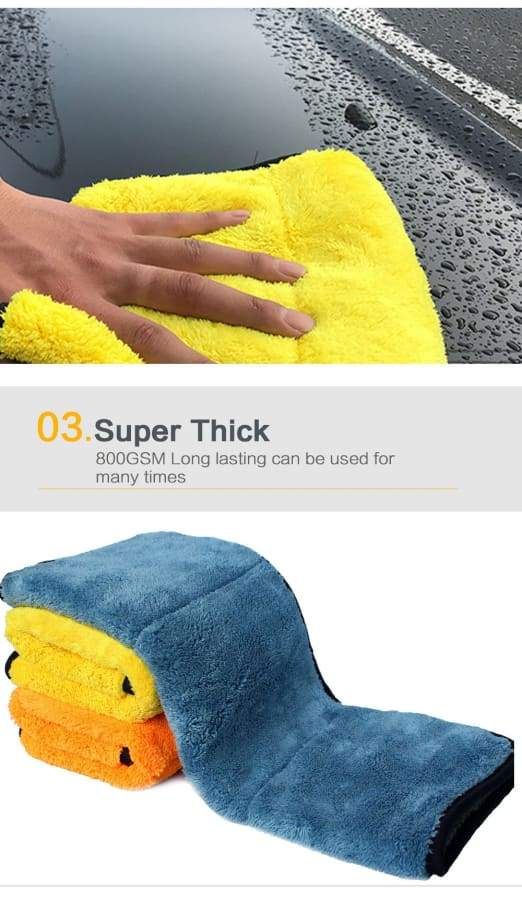
When shopping for microfiber, you’ll often see a number followed by GSM (Grams per Square Meter). This refers to the density and weight of the cloth.
| GSM Range | Best Use Case | Features |
| 200–300 GSM | Glass, mirrors, and light dusting. | Thin, quick-drying, and leaves a streak-free finish. |
| 300–450 GSM | General purpose, countertops, and bathrooms. | The “workhorse” towel; balanced absorbency and scrubbing power. |
| 500+ GSM | Car detailing, polishing, and delicate surfaces. | “Super plush” feel; thick enough to trap large particles and prevent scratches. |
5. Specialized Weaves for Every Surface
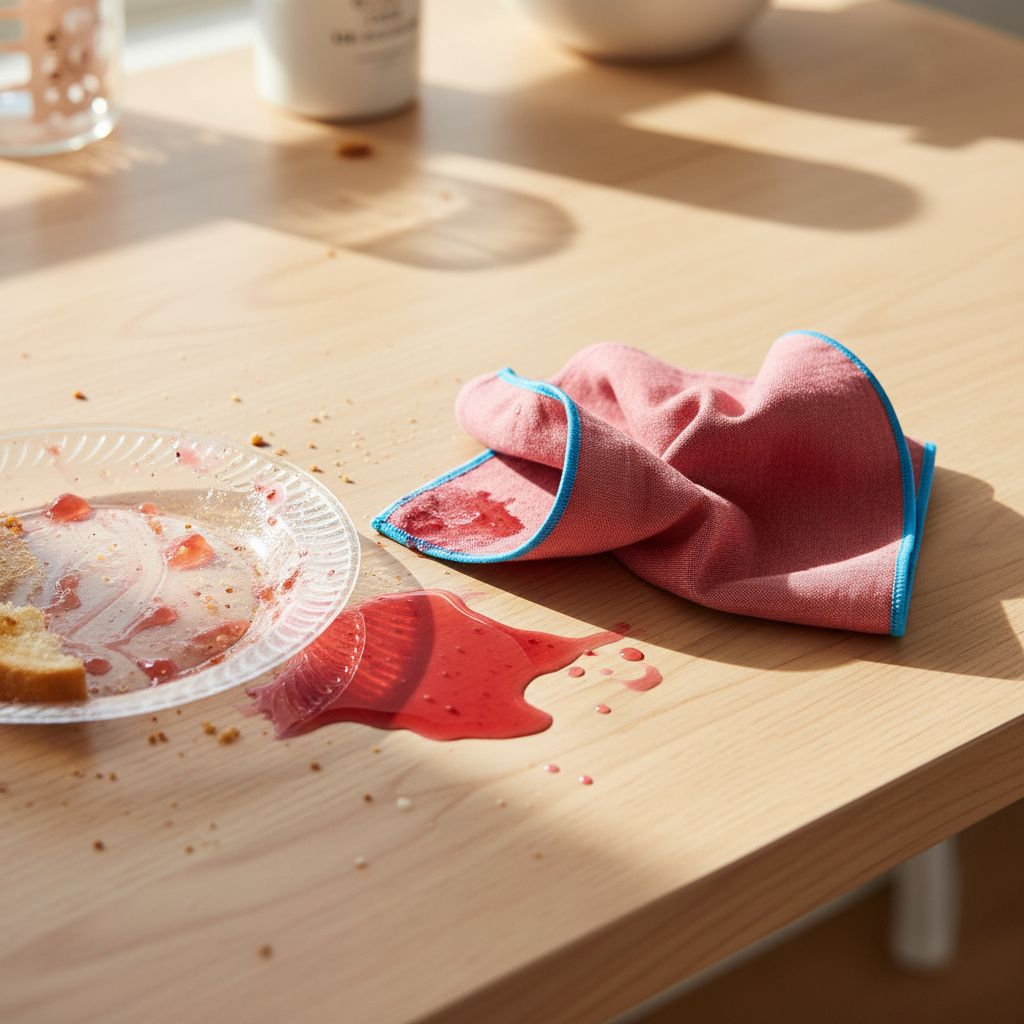
Beyond weight, the weave pattern of the microfiber changes its function:
- Waffle Weave: Characterized by a honeycomb-like texture. This weave increases surface area and is the gold standard for drying dishes or large glass panes without streaks.
- Suede Microfiber: Flat and smooth. These are usually the tiny cloths that come with your eyeglasses or camera lenses. They are designed for delicate surfaces that cannot handle even the slightest abrasion.
- Terry Weave: The most common type, resembling a traditional towel. It’s perfect for picking up dust and scrubbing dried-on food from countertops.
6. Applications: Where Microfiber Shines
- Electronics: Static electricity is a nightmare for screens. Microfiber’s synthetic nature allows it to attract dust like a magnet, making it the safest way to clean LCD screens, smartphones, and keyboards without scratching the delicate coatings.
- Stainless Steel: Achieving a smudge-free shine on appliances is notoriously difficult. A damp microfiber cloth followed by a dry one will remove fingerprints and water spots instantly.
- Hardwood Floors: Microfiber mops use far less water than traditional string mops. This prevents the wood from warping while the tiny fibers reach deep into the grain to pull out hidden dirt.
7. The Golden Rules of Microfiber Maintenance
The “power” of microfiber is in its ability to trap things. If you don’t care for it properly, it will trap the wrong things (like lint or melted plastic), rendering it useless.
Rule 1: No Fabric Softeners
This is the most common mistake. Fabric softeners work by coating fibers in a thin layer of wax/oil to make them feel soft. On microfiber, this wax “plugs” the tiny hooks that grab dirt, turning your high-tech cleaning tool into a glorified rag.
Rule 2: Wash Separately
Microfiber is a “grabber.” If you wash it with your cotton bath towels, the microfiber will spend the entire cycle grabbing the lint off the cotton. You will end up with “fuzzy” cloths that leave lint behind on your mirrors.
Rule 3: Avoid High Heat
Remember, microfiber is essentially plastic (polyester/nylon). High heat in the dryer can actually melt the tips of the fibers. Always tumble dry on low heat or air dry.
8. Potential Drawbacks: What About Microplastics?
To be a truly helpful guide, we must address the environmental trade-off. Because microfiber is synthetic, it can shed microplastics during the wash cycle.
To mitigate this while still enjoying the superior cleaning power of the fabric, consider using a filtration bag (like a Guppyfriend) or installing a microplastic filter on your washing machine’s discharge hose. This ensures that the dirt stays in the cloth, but the plastic stays out of the ocean.
Conclusion: Why It’s Time to Make the Switch
The power of microfiber lies in its versatility. It saves you money, protects your health by removing more bacteria, and reduces the need for toxic chemicals. Whether you are a “clean freak” or someone who wants to get the chores done as fast as possible, microfiber is the ultimate shortcut.
By choosing the right GSM, using the correct weave, and following strict laundry care, you can transform your cleaning routine from a chemical-heavy chore into a high-performance science.
More textiles
More Textiles is recognized as one of the leading manufacturers and exporters of microfiber cloths and home furnishing textiles in India. Operating from the historic textile hub of Panipat, Haryana, our state-of-the-art production facility spans over 100,000 square feet, where we combine four decades of industry expertise with cutting-edge engineering. We specialize in producing high-performance split microfiber that meets rigorous international standards for absorbency, durability, and bacteria removal. By managing every stage of production in-house—from weaving to finishing—we ensure that every cloth we export to the USA, Europe, and beyond delivers the superior, lint-free cleaning power that professional industries demand.
One thought on “Discover the Power of Microfiber: Why It’s the Best Cleaning Tool”