
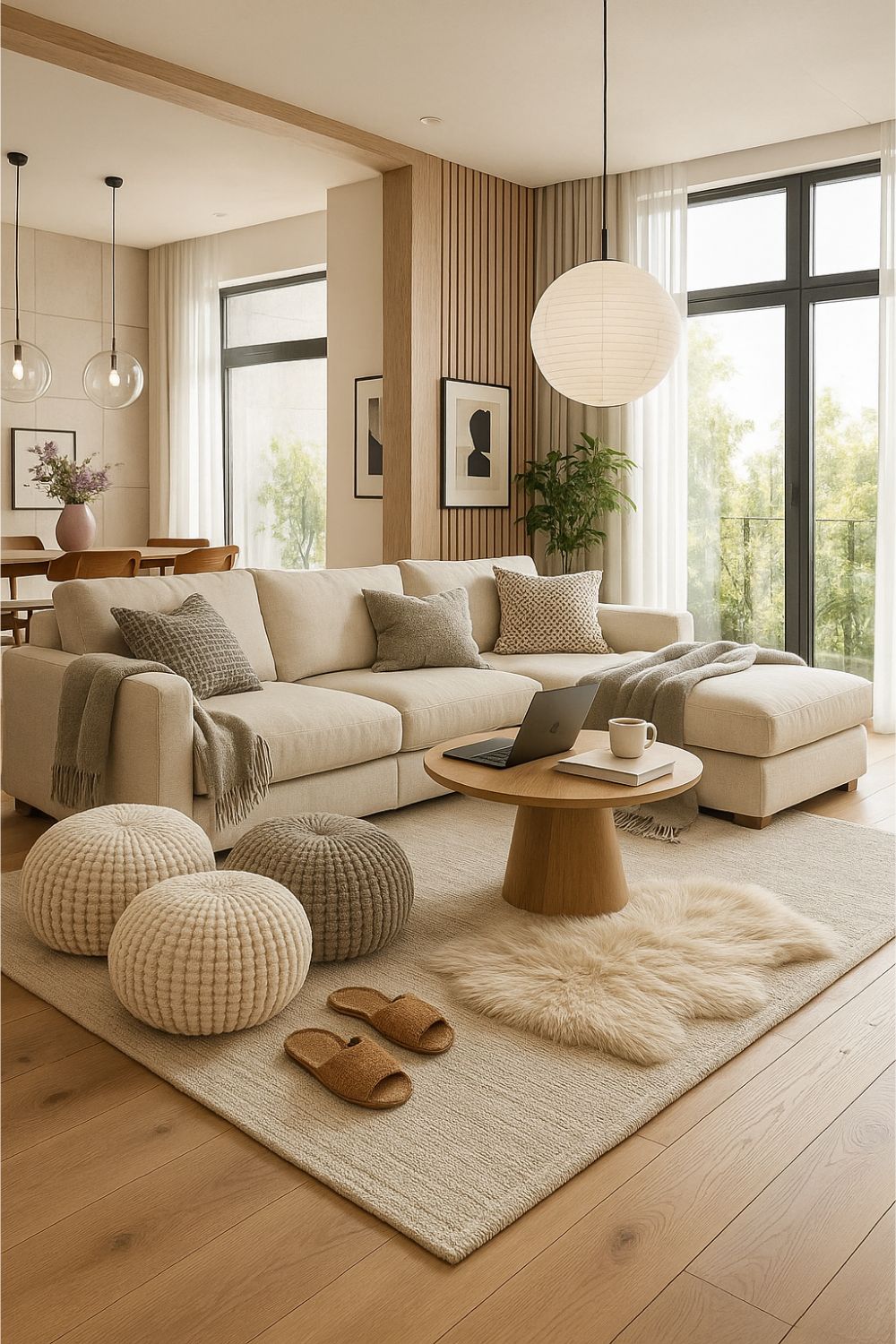
Minimalist interiors aren’t fading into the background; they are calmly taking over. There’s a new pulse beneath the clean lines and empty-floor energy, a kind of deliberate calm that feels almost rebellious. Designers are bending restraint into something addictive, so calm it feels scandalous. Peek inside these spaces, and you’ll catch yourself screenshotting every detail, wondering why your own rooms haven’t been this effortlessly dramatic yet minimalist.
Welcome to the design movement where quiet is the new flex. Contemporary minimalist interiors have become a lifestyle, an antidote to clutter culture, and the loudest metaphor for “I’ve finally got my life together.”
If you have been hunting for ways to elevate your home with modern minimalist interiors, let’s understand why this design language has taken over Instagram, Pinterest, and, honestly, probably your therapist’s moodboard.
What Are Contemporary Minimalist Interiors?
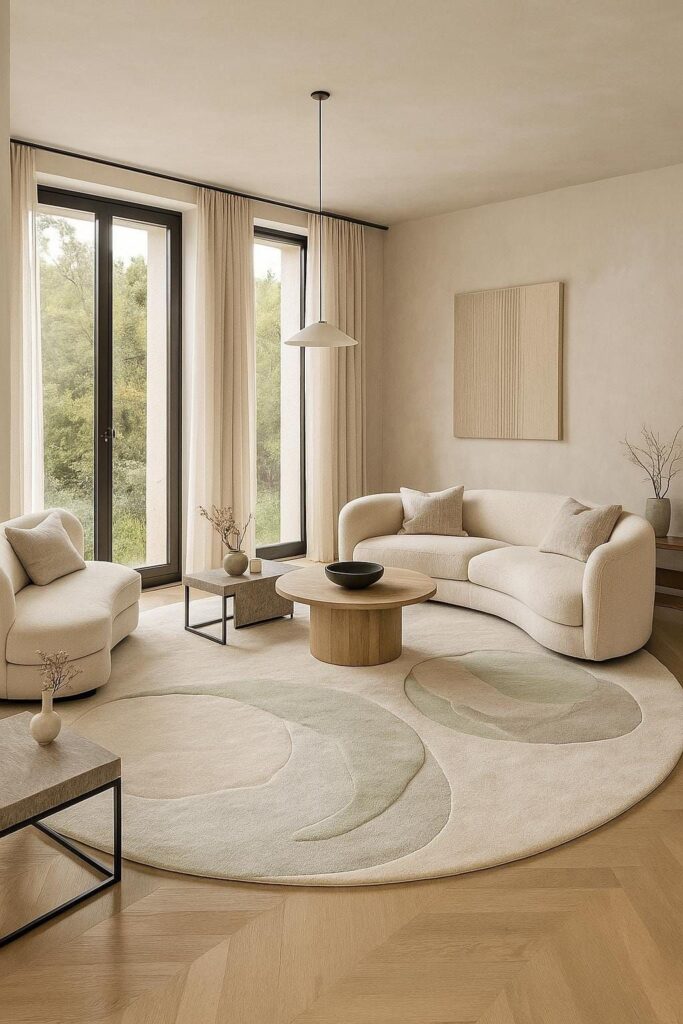
Contemporary minimalist interiors are clean, calm, uncluttered spaces defined by simple forms, neutral palettes, high-function furniture, and intentional design choices that make a room feel open, airy, and purpose-driven.
These spaces celebrate less but better: refined silhouettes, neutral tones, incredible lighting, and materials so soothing you can practically hear them breathe.
Why Did Minimalist Interiors Become So Popular?
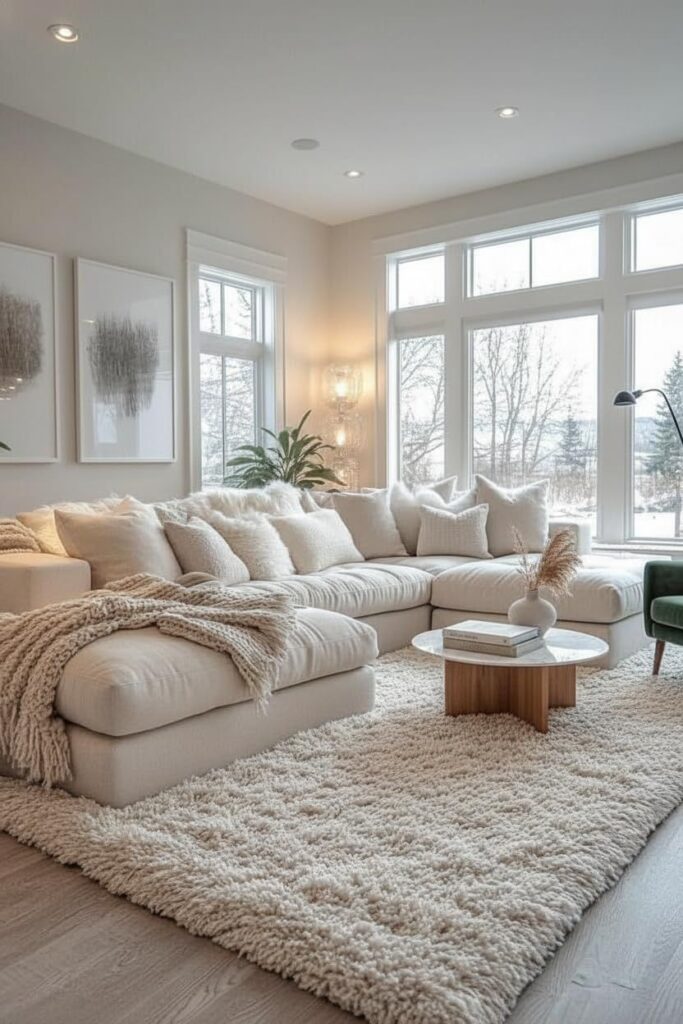
Because the world got loud, visually, digitally, emotionally, and physically. Minimalist interiors became a way for people to reclaim control and calm.
Plus:
- They photograph beautifully
- They are easier to maintain
- They make your home feel bigger
- They elevate every object that does remain
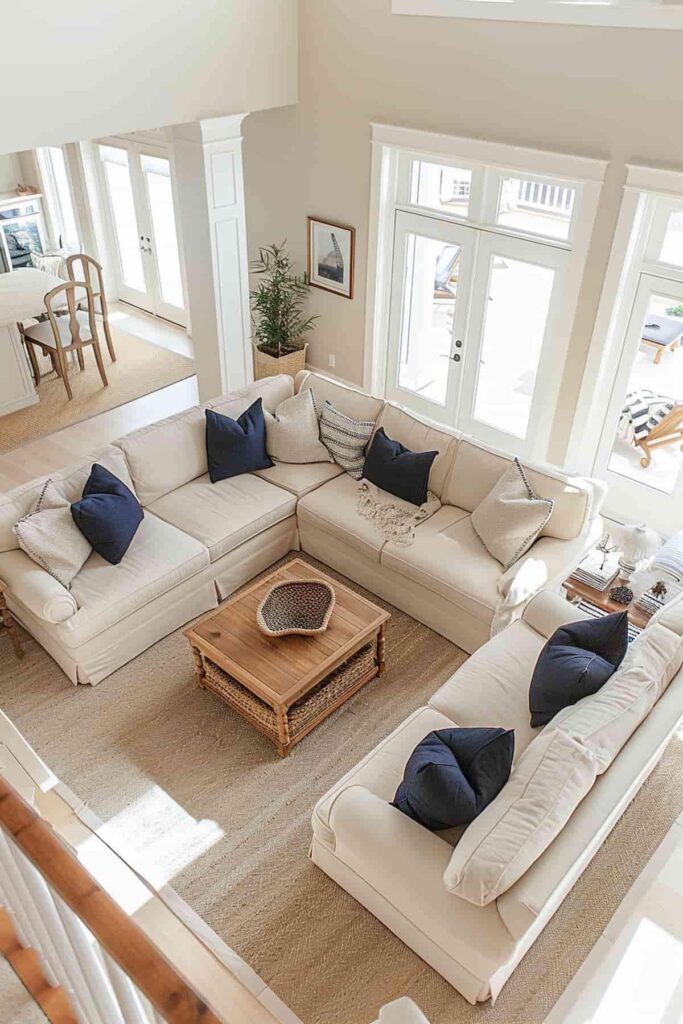
In other words, minimalist interior design isn’t about restriction; it’s clearly about liberation.
The Core Principles Of Modern Minimalist Interiors
Minimalism today is far more nuanced than the all-white everything craze of the early 2010s. Modern minimalist interiors blend materials, texture, nature, and calm curation.
Let’s break down the rules of the new aesthetic.
The “Less But Luxe” Rule
Minimalism is no longer about being cheap or bare. Luxury minimalist interior design embraces high-quality textures like fine textiles, architectural lighting, and well-made furniture that ages like fine wine.
What does “Less But Luxe” mean in minimalist house interiors? It means selecting fewer items but ensuring every piece is high-quality, functional, and visually timeless.
Think:
- Oak, walnut, and ash wood
- Travertine, limestone, and marble
- Soft linen, wool, and boucle
- Sculptural lighting instead of decorative clutter
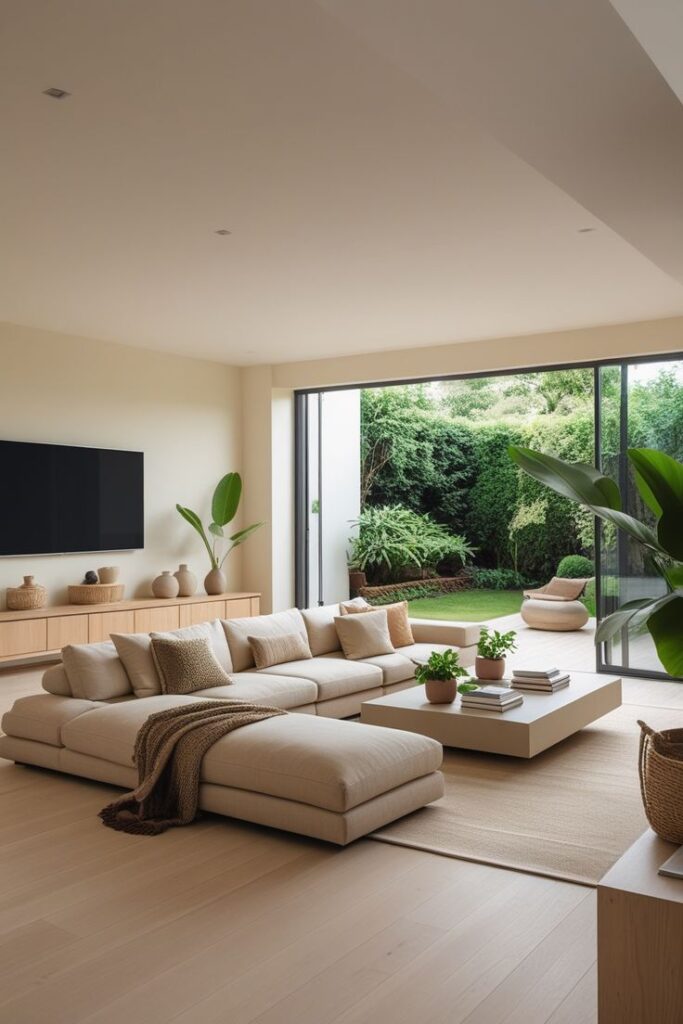
A small emotional detail: When your home feels like a spa, your brain starts acting as if it lives inside one.
Neutrals, But Make Them Interesting
Neutral palettes are still the backbone of contemporary minimalist interior design, but they have evolved. No more sterile white-on-white. Instead, think earthy neutrals with depth.
What colors define minimalist interior trends today? Warm beiges, taupe, greige, muted charcoal, foggy greens, and soft clay tones. These colors calm the mind, flatter natural daylight, and create an effortless, soothing backdrop. Your home becomes a quiet retreat even if your schedule isn’t.
Sculptural Forms Are the New Art
Minimalist interiors may be visually quiet, but they are far from boring. Architectural shapes and sculptural furniture play the role that wall art once did.
Why are sculptural elements essential in modern minimalist interiors? Sculptural elements are essential in modern minimalist interiors because they add visual interest and dimension without adding clutter. A curved sofa, oversized floor lamp, or organic More Textiles rug can anchor a room better than any gallery wall ever could.
Hide Everything: Storage Is Queen
The number one secret behind flawless minimalist house interior design? Space-savvy storage that could hide an entire Costco run.
How do I keep a minimalist home actually looking minimalist? Built-in cabinetry, hidden storage benches, floating consoles, and modular units keep visual noise out of sight.
Minimalism looks simple. Living minimalism requires a strategy.
Texture > Pattern, Always
Patterns are having a quiet moment. Textures, however, are having a very loud one. Handmade jute rugs, we see you.
Why does texture matter so much in contemporary minimalist interiors? Texture adds warmth, depth, and personality without overwhelming the space.
Think:
- Nubby boucle
- Soft hand Tuffted textiles
- Brushed stone
- Ribbed wood
- Polished concrete
- Plaster walls
These tactile materials make the room feel alive, layered, and inviting, even when you haven’t added much to it.
Design Minimalist Interior Spaces Without Making Them Feel Empty
Minimalism has evolved past the “empty white box” stage. Today’s best minimalists embrace warmth, scale, and coziness.
Here’s how to get the look right.
- Use Large-Scale Furniture: In a big room, a tiny sofa makes the space feel awkward. Minimalism works best with substantial, sculptural pieces that fill the visual volume.
- Let Light Do the Talking: Architectural lighting fixtures like linear LEDs, dome pendants, and soft diffused lamps make contemporary minimalist interiors glow without chaos.
- Add Natural Elements: Plants, wood, linen, stone. These organic elements soften hard lines and make the home feel human.
- Keep Only What You Love: The golden rule of modern minimalist interiors: If it doesn’t spark peace, it doesn’t stay.
Why Minimalist Interiors Are the Ultimate “Life Upgrade”
Minimalism is not just a mere design aesthetic but a calm mindset.
A calm home creates a calm brain. A calm brain makes better decisions. Better decisions create a better life. See the pattern?
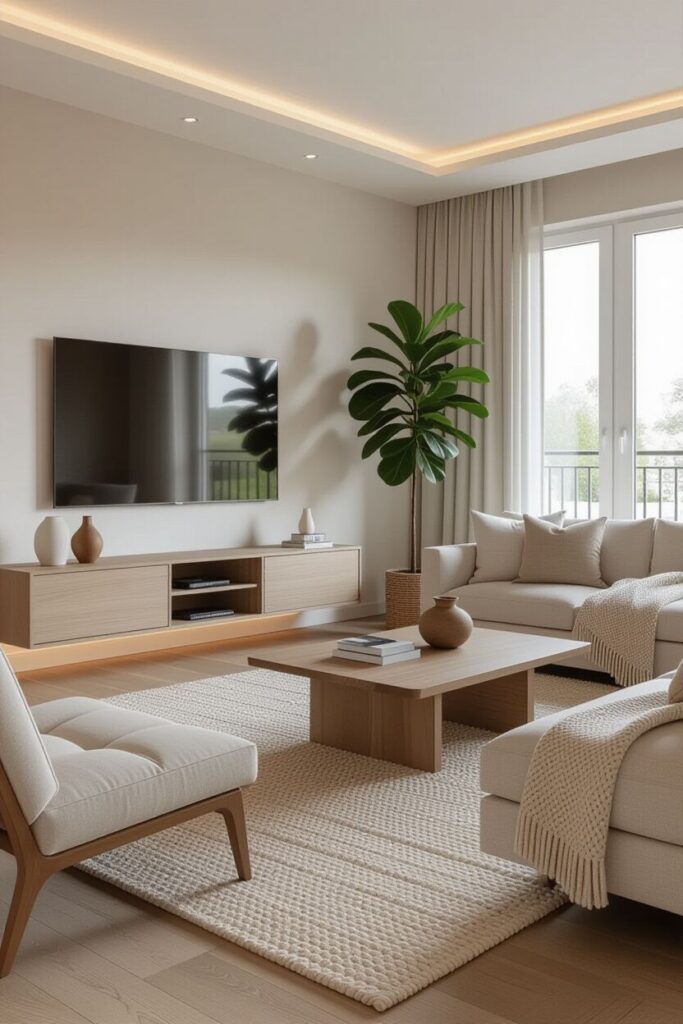
Minimalist interiors don’t strip away your personality. They strip away everything that distracts from it.
Summing Up…
If you have been craving a home that feels peaceful, structured, intentional, and beautifully quiet, contemporary minimalist interiors are your answer. Minimalism invites you to edit your life, not to punish yourself, but to spotlight what truly matters. And when your home finally reflects calmness, clarity, and confidence, you don’t just live in a minimalist house interior, you live in a mindset that feels lighter, clearer, and more you.
Share this if someone in your life needs a little less chaos and a little more calm. We will be back with another blog soon. Till then, stay tuned and explore More Textiles!
FAQs
| Question | Answer |
| What is minimalist interior design? | Minimalist interior design is a style focused on simplicity, functionality, and uncluttered spaces. It emphasizes clean lines, open layouts, neutral colors, and carefully selected furniture and décor to create a calm and purposeful living environment. |
| What are the core principles of minimalist interiors? | Simplicity: Remove unnecessary items. Functionality: Every object serves a purpose. Quality over quantity: Choose fewer, high-quality pieces. Neutral colors: Whites, beiges, greys, and muted tones. Open space: Maximize natural light and breathing room. Intentional accents: Use textures or minimal décor sparingly. |
| Do minimalist interiors mean bare, cold, and unwelcoming spaces? | No. Minimalist interiors can feel warm, comfortable, and inviting when designed with natural materials, textures, and thoughtful accents. It’s about clarity, not emptiness. |
| How should I choose furniture and décor in a minimalist home? | Select clean-lined, functional furniture. Keep décor intentional and minimal, focusing on pieces that add value or visual interest without cluttering the space. |
| What color palettes work for minimalist interiors? | Neutral and muted tones work best: white, beige, grey, soft earth tones. Accent colors are allowed but should be subtle and purposeful. |
| How to make a small space look bigger and airy with minimalism? | Use light colors, open layouts, multifunctional furniture, mirrors, and uncluttered surfaces. Let natural light flow and avoid overcrowding the room. |
| Can minimalism include accents like colour, texture, or personal decor? | Yes. Minimalist interiors allow subtle textures, natural materials, and carefully chosen accents to add warmth and personality without disrupting simplicity. |
| Benefits of Minimalist Interiors | Creates calm and clutter-free spaces. Makes rooms appear larger and airier. Simplifies cleaning and maintenance. Highlights quality over quantity. Enhances focus, relaxation, and mental clarity. |
Beyond Aesthetics: The Habit-Forming Power of Quiet Spaces
This focus on intention also extends to consumption. Once you invest in high-quality, timeless pieces—like those beautiful sculptural forms or a rich, textured More Textiles rug—you naturally reduce the urge for impulsive purchases. The appreciation for “less but better” permeates your shopping habits, your digital life, and even your social calendar. By decluttering your physical space, you unlock the capacity to declutter other areas of your life, proving that the minimalist home is truly the foundation for a more intentional and impactful way of living.