
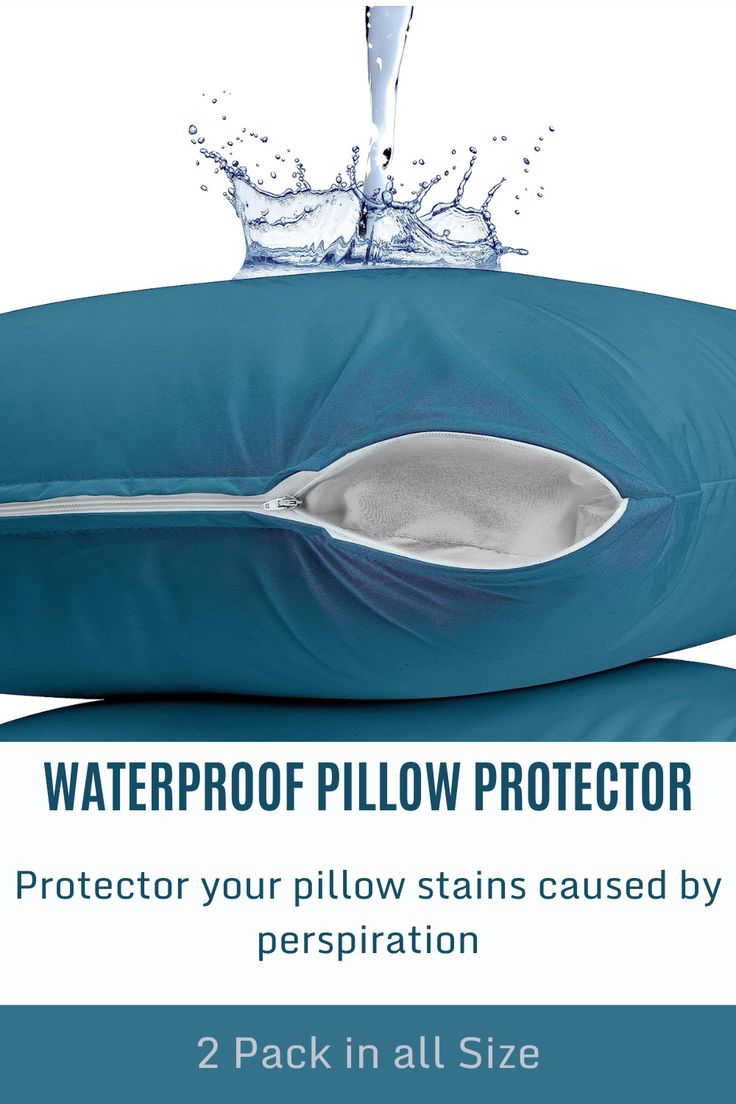
We invest in quality pillows, seeking comfort, support, and a good night’s sleep. But how much thought do we give to protecting that investment? Often overlooked, the humble pillow protector plays a surprisingly crucial role in maintaining hygiene, extending pillow life, and enhancing your sleep environment. But not all protectors are created equal. The question on many minds is: Are zippered pillow protectors worth it?
In this ultimate guide, we’ll dive deep into the world of zippered pillow protectors, exploring their benefits, drawbacks, types, and ultimately help you decide if they deserve a place in your bedding lineup.
The Unseen World Within Your Pillow: Why Protection Matters
Before we even get to zippers, let’s understand why any pillow protection is necessary. Your pillow, a seemingly innocent haven, is actually a magnet for a host of unwanted guests and elements:
- Dust Mites: These microscopic arachnids thrive in warm, humid environments, feeding on dead skin cells. Their waste products are a major trigger for allergies and asthma.
- Allergens: Beyond dust mites, your pillow can accumulate pet dander, pollen, mold spores, and other airborne allergens.
- Bodily Fluids: Sweat, drool, natural skin oils, and even makeup can penetrate your pillow’s cover, leading to stains, odors, and the breakdown of the filling.
- Accidental Spills: Coffee in bed? A midnight snack mishap? Your unprotected pillow is vulnerable.
- Bacteria and Fungi: Moisture and organic matter create a breeding ground for bacteria and fungi, contributing to unpleasant smells and potential health issues.
- Wear and Tear: Constant use, friction, and the accumulation of debris can degrade your pillow’s filling and fabric over time.
Without adequate protection, your pillow becomes a less-than-ideal sleeping surface, impacting your health, comfort, and the lifespan of your investment.
Zippered vs. Open-Ended Pillowcases: The Crucial Difference
You might think, “I already use a pillowcase, isn’t that enough?” While a standard open-ended pillowcase offers a basic layer of defense, it’s akin to having a front door without a lock.
- Standard Pillowcases:
- Pros: Easy to remove and wash, come in various styles and fabrics.
- Cons: Do not fully enclose the pillow, leaving openings where dust mites, allergens, and liquids can easily enter and exit. They primarily serve aesthetic and comfort purposes.
- Zippered Pillow Protectors:
- Pros:
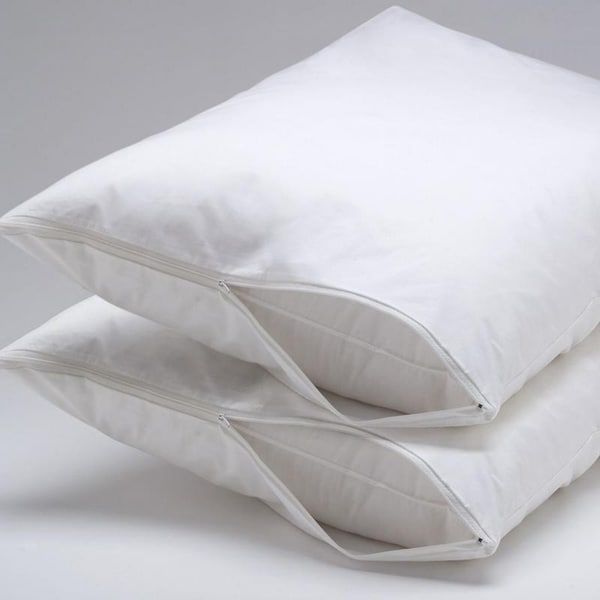
- Full Enclosure: This is their defining feature. The zipper creates a complete barrier around all six sides of your pillow, sealing it off from contaminants.
- Superior Allergen Protection: The tight weave and full enclosure make them highly effective at blocking dust mites, pet dander, and other allergens from settling into your pillow’s filling. This is a game-changer for allergy sufferers.
- Enhanced Hygiene: They prevent sweat, drool, skin oils, and makeup from penetrating your pillow, keeping it significantly cleaner and fresher for longer.
- Stain Prevention: Act as a robust shield against accidental spills and stains, preserving the pristine condition of your pillow.
- Extends Pillow Lifespan: By protecting the filling from degradation caused by moisture, oils, and allergens, they help your pillow maintain its loft, support, and overall integrity for much longer.
- Defense Against Bed Bugs: A zippered protector can form an effective physical barrier against bed bugs, trapping any existing ones inside and preventing new ones from infesting the pillow.
- Odor Control: By keeping the pillow cleaner, they naturally reduce the buildup of odors.
- Cons:
- Initial Cost: A good quality zippered protector represents an additional upfront cost.
- Laundry: Adds an extra item to your laundry routine, though typically less frequently than pillowcases.
- Fit: Can sometimes be a tight fit to get onto the pillow initially, especially with very fluffy pillows.
- Feel (for some types): Some waterproof or allergy-specific protectors might have a slightly different feel or crinkle sound, although modern materials have largely mitigated this.
- Pros:
Considering these points, the answer to “Are zippered pillow protectors worth it?” begins to lean heavily towards a resounding yes, especially when considering long-term benefits and specific needs.
Types of Zippered Pillow Protectors: Finding Your Perfect Match
Not all zippered protectors are created equal. They come in various materials and with different functionalities, each designed to address specific concerns:
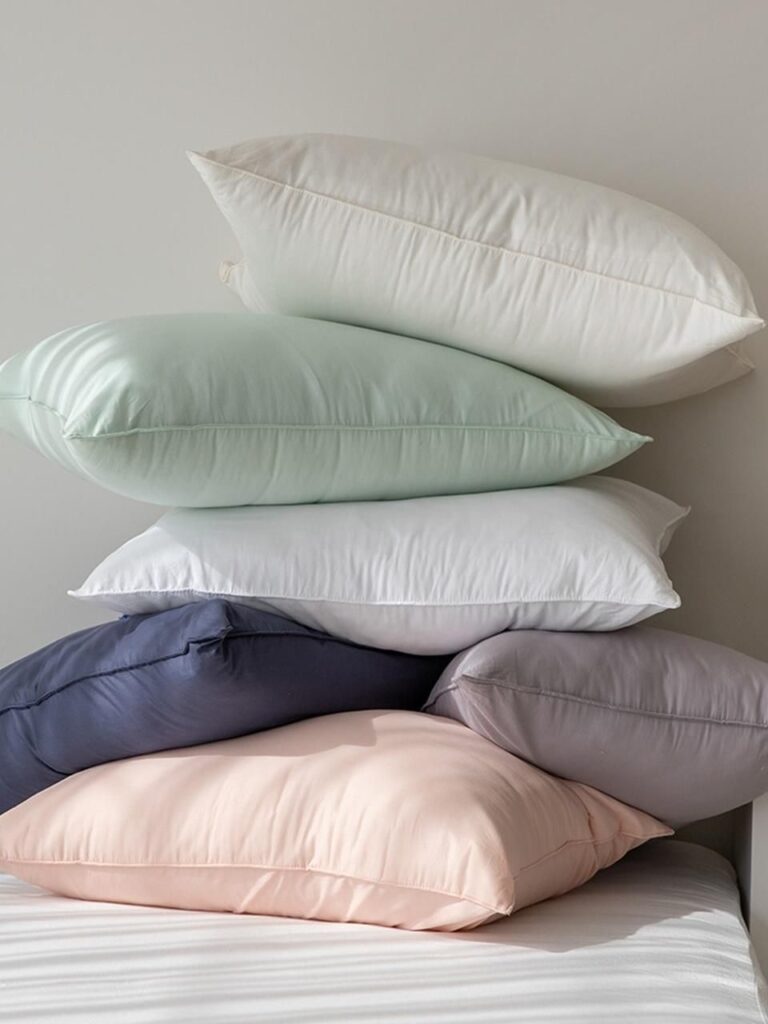
- Standard Cotton/Polyester Blend:
- Purpose: Basic protection against sweat, drool, and minor stains.
- Features: Soft, breathable, often machine washable.
- Best for: General hygiene and extending pillow life.
- Allergen-Proof/Dust Mite Barriers:
- Purpose: Specifically designed to block microscopic allergens.
- Features: Very tightly woven fabrics (often microfiber or a specialized cotton blend) with pore sizes too small for dust mites and their waste to pass through. They are often certified by asthma and allergy foundations.
- Best for: Allergy and asthma sufferers.
- Waterproof/Water-Resistant:
- Purpose: Protects against liquid spills, sweat, and drool.
- Features: Often have a thin, breathable membrane (like polyurethane or a laminate) on the inside. Can be slightly less breathable than non-waterproof options, but modern versions are much improved.
- Best for: Children, individuals who sweat heavily, those who eat or drink in bed, or anyone prone to spills.
- Bed Bug Protectors:
- Purpose: Creates an impenetrable barrier against bed bugs.
- Features: Made from extra durable, tightly woven material, often with a patented zipper closure that is specifically designed to be “bite-proof” and “escape-proof.”
- Best for: People living in areas with bed bug concerns, frequent travelers, or those who have experienced bed bug infestations.
- Cooling Protectors:
- Purpose: To help regulate temperature for hot sleepers.
- Features: Made from phase-change materials, Tencel, or other breathable fabrics designed to wick away moisture and dissipate heat.
- Best for: Individuals who tend to overheat at night.
How to Choose the Right Zippered Pillow Protector
To make an informed decision, consider these factors:
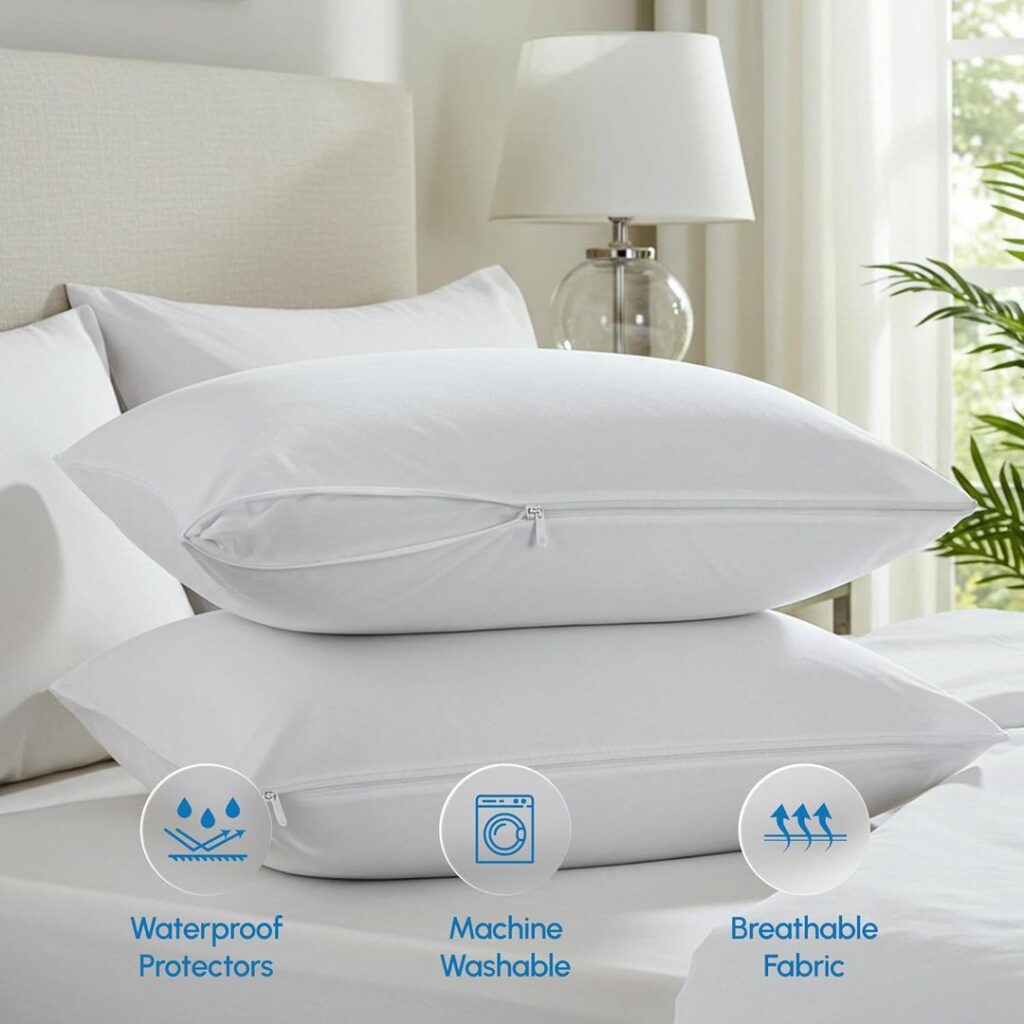
- Your Primary Concern: Are you an allergy sufferer? Do you worry about spills? Are bed bugs a risk? Let your main concern guide your choice.
- Material:
- Cotton: Natural, breathable, soft. Good for general protection.
- Microfiber: Smooth, durable, often used in allergen-proof protectors due to its tight weave.
- Tencel/Lyocell: Eco-friendly, incredibly soft, breathable, and moisture-wicking. Excellent for comfort and cooling.
- Polyester Blends: Durable, often more affordable, can vary in breathability.
- Breathability: Crucial for comfort. A protector that traps too much heat can make you uncomfortable. Look for materials like cotton, Tencel, or breathable waterproof membranes.
- Noise: Some older or lower-quality waterproof protectors might make a crinkling sound. Read reviews to ensure this isn’t an issue.
- Fit: Ensure you get the correct size (standard, queen, king). A protector that’s too loose won’t offer optimal protection, and one that’s too tight can compress your pillow.
- Care Instructions: Most are machine washable, but always check for specific washing and drying recommendations to maintain their integrity.
- Certifications: For allergen-proof protectors, look for certifications from organizations like the Asthma and Allergy Foundation of America (AAFA).
- Budget: Prices vary widely based on material, features, and brand. Consider it an investment in your pillow’s longevity and your health.
Installation and Care
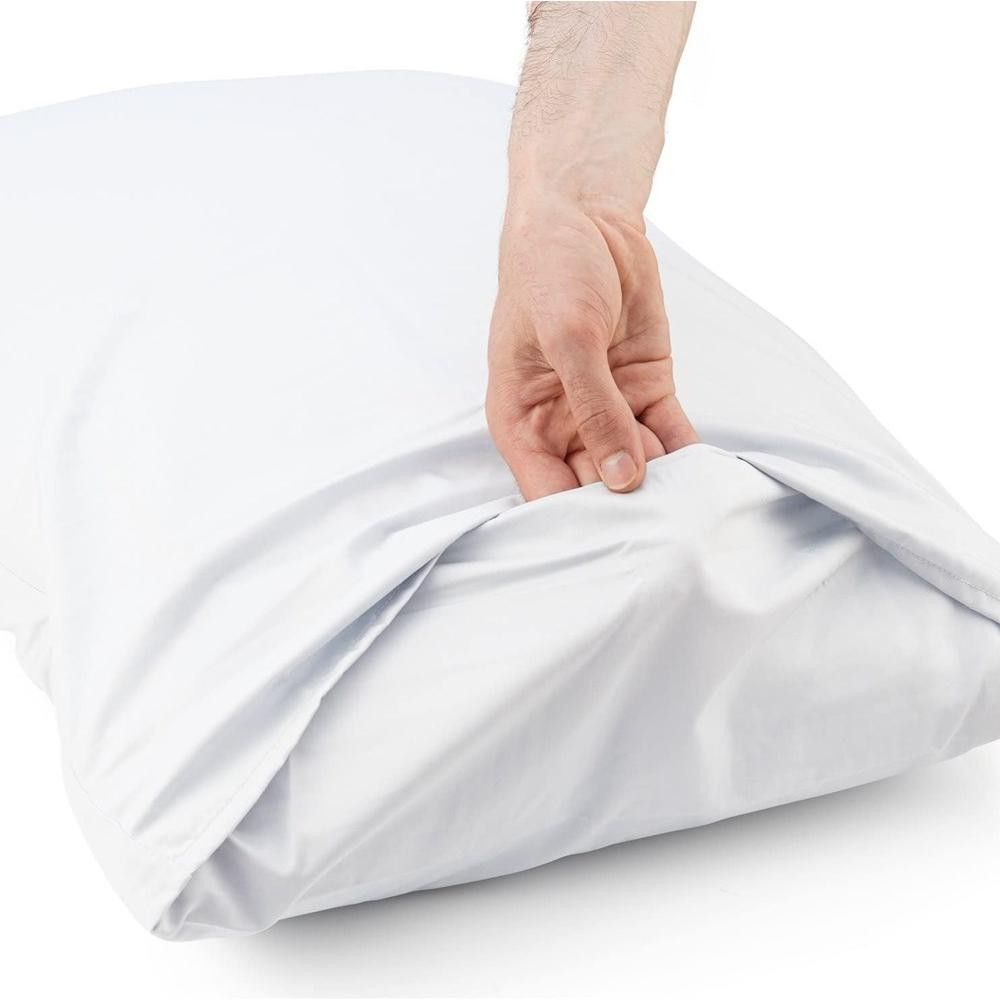
Putting on a zippered pillow protector can sometimes be a bit snug, especially the first time. Here’s a tip: Fold your pillow in half lengthwise, slide it into the protector, and then gently release the fold. Smooth it out and zip it up.
Care:
- Wash Frequency: While your pillowcases should be washed weekly, zippered pillow protectors can typically be washed less frequently, perhaps every 4-6 weeks, or as needed if there’s a spill.
- Follow Labels: Always refer to the manufacturer’s care instructions for optimal cleaning. Most are machine washable on a gentle cycle with mild detergent and can be tumble dried on low heat or air dried. Avoid harsh chemicals or high heat, which can damage specialized membranes.
The Verdict: Are Zippered Pillow Protectors Worth It?
Without a doubt, yes, zippered pillow protectors are absolutely worth it. They are a small investment that yields significant returns in terms of hygiene, health, and the lifespan of your pillows.
Think of it this way: You wouldn’t buy an expensive smartphone and forgo a screen protector and case. Your pillow, where you rest your head for a third of your life, deserves similar, if not more, consideration.
For allergy sufferers, they are practically non-negotiable. For everyone else, they offer peace of mind, a cleaner sleep environment, and the satisfaction of knowing your pillows will remain fresh and supportive for years to come. They transform your pillow from an open-door welcome mat for grime into a protected sanctuary.
Frequently Asked Questions (FAQs) about Zippered Pillow Protectors
Q1: What’s the main difference between a regular pillowcase and a zippered pillow protector? A1: A regular pillowcase is open at one end, offering only basic protection and acting primarily as a decorative and comfort layer. A zippered pillow protector fully encloses the pillow with a zipper, creating a complete barrier against dust mites, allergens, moisture, and stains.
Q2: Do zippered pillow protectors actually help with allergies? A2: Yes, absolutely! High-quality, tightly woven zippered pillow protectors are incredibly effective at blocking dust mites, pet dander, pollen, and other common allergens from accumulating inside your pillow. This creates a much healthier sleeping environment for allergy and asthma sufferers. Look for protectors certified as “allergen-proof.”
Q3: How often should I wash zippered pillow protectors? A3: While your regular pillowcases should be washed weekly, zippered pillow protectors can typically be washed every 4-6 weeks, or more frequently if there’s a spill or if you have severe allergies. Always follow the manufacturer’s specific care instructions.
Q4: Can zippered pillow protectors prevent bed bugs? A4: Yes, they can be a crucial tool in bed bug prevention and management. A specialized bed bug proof zippered protector completely encases the pillow, trapping any existing bed bugs inside and preventing new ones from infesting the pillow. Look for protectors specifically marketed as “bed bug proof” with a patented zipper design.
Q5: Will a zippered pillow protector make my pillow feel hot? A5: Modern zippered pillow protectors are designed with breathability in mind. While some older waterproof versions might have been less breathable, many current options, especially those made from cotton, Tencel, or with breathable membranes, allow for good airflow and won’t significantly increase heat. If you’re a hot sleeper, look for “cooling” specific protectors.
Q6: Can I use a regular pillowcase over a zippered pillow protector? A6: Yes, in fact, it’s highly recommended! The zippered protector acts as the primary defense layer for your pillow, and your regular pillowcase goes over it for comfort, aesthetics, and ease of frequent washing.
Q7: Are waterproof zippered pillow protectors noisy or crinkly? A7: Many advanced waterproof protectors are made with quiet, breathable membranes that are virtually silent. However, some lower-quality or older models might produce a slight crinkling sound. Reading reviews from other users can help you avoid noisy options.
Q8: Does using a zippered protector void my pillow’s warranty? A8: Generally, no. In many cases, using a protector can actually help you maintain the conditions required for a warranty (e.g., keeping the pillow free of stains). However, it’s always a good idea to check your specific pillow’s warranty terms if you have concerns.
Q9: Do I need a zippered protector for every pillow in my house? A9: It’s highly recommended for any pillow you regularly sleep on. For decorative or guest pillows that see less use, it’s less critical but still beneficial for overall hygiene and longevity.
Q10: What’s the best material for a zippered pillow protector? A10: The “best” material depends on your needs. * Cotton: Breathable, soft, good for general use. * Microfiber: Tightly woven, excellent for allergen protection. * Tencel/Lyocell: Very soft, breathable, moisture-wicking, great for sensitive skin and hot sleepers. * Polyurethane Laminate: Used for waterproof barriers. Consider your primary concern (allergies, spills, cooling) to choose the ideal material.
MORE TEXTILES
More Textiles stands as one of the leading manufacturers and exporters of pillow covers in India. Headquartered in the textile powerhouse of Panipat, Haryana, the company has built a global reputation for excellence since its inception in 1984. By combining advanced manufacturing technology with deep-rooted textile expertise, they produce high-quality, durable zippered protectors and decorative covers that meet rigorous international standards. Today, More Textiles is a trusted partner for major retailers across the USA and Europe, consistently setting the benchmark for quality and innovation in the home furnishing sector.