
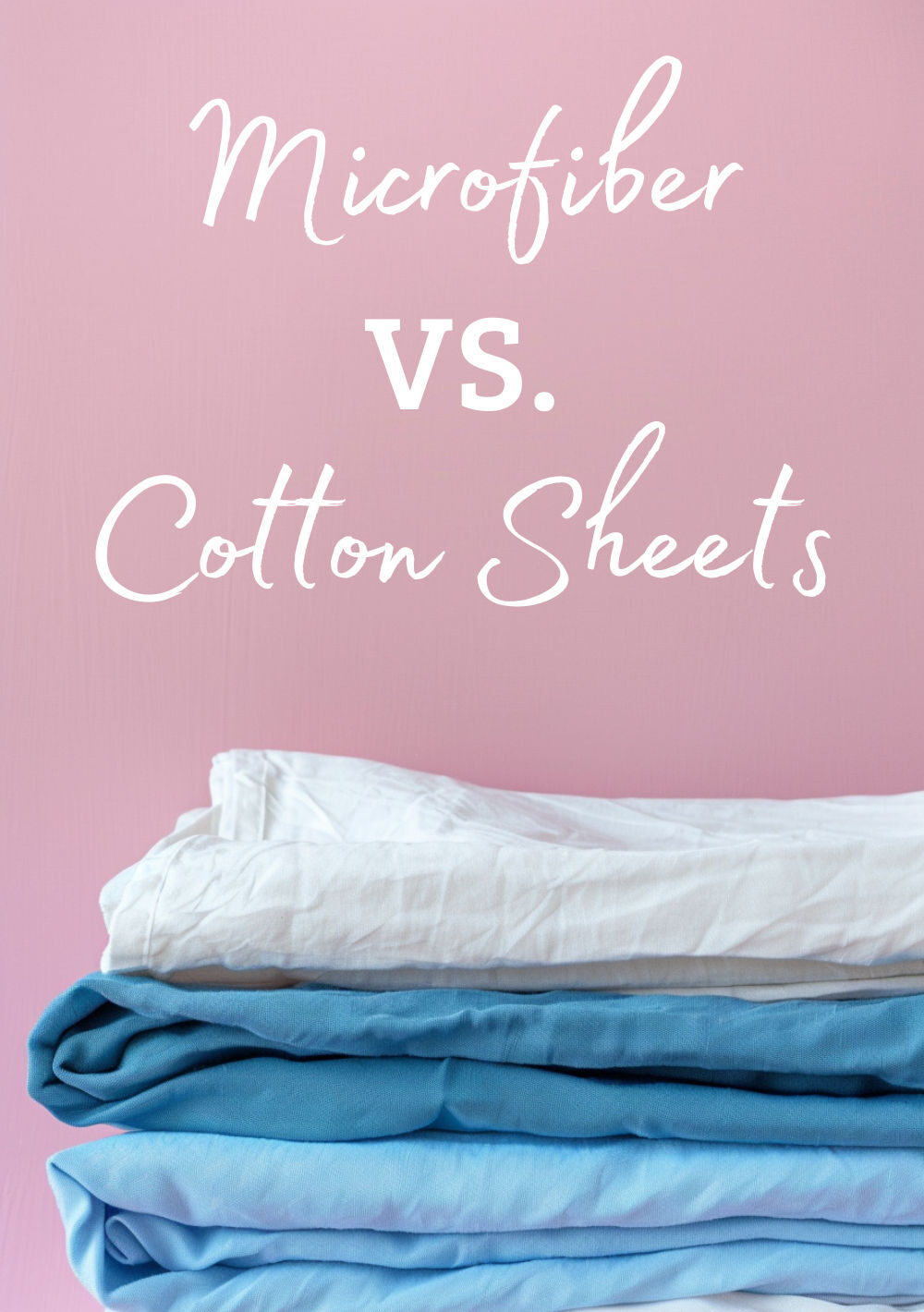
When choosing textiles for your home, from bedding to cleaning cloths to towels, the debate often boils down to two giants: Microfiber and Cotton. The real question everyone asks is, Is microfiber better than cotton? We’ll break down the features of these popular fabrics.
The answer is, it depends entirely on the job! These two fabrics are fundamentally different, offering unique strengths and weaknesses that make one superior to the other in specific scenarios.
🔬 The Core Difference: Natural vs. Synthetic
The choice starts with the material itself:
| Feature | Cotton | Microfiber |
| Material | Natural fiber from the cotton plant. | Synthetic fiber, usually a blend of polyester and polyamide (nylon). |
| Texture/Feel | Soft, breathable, gets softer with each wash. | Smooth, slick, can feel velvety; less breathable. |
| Fiber Size | Thicker, longer natural fibers. | Extremely fine fibers (finer than a strand of human hair). |
🏡 Head-to-Head: Home & Personal Use
The fabric that makes a great bed sheet might be a terrible cleaning cloth. Here’s how they compare for common household items:
🛌 Bedding & Apparel
For things worn or slept on, breathability and comfort are key.
- Cotton is King for Comfort: Cotton is naturally breathable and excellent at wicking away sweat, keeping you cool and comfortable, especially for hot sleepers or in warmer climates. It’s also naturally hypoallergenic.
- Microfiber for Durability & Budget: Microfiber sheets are often more affordable, highly durable, and resistant to wrinkles and shrinking. However, they can trap heat, making them less ideal for hot nights.
✅ Verdict: Cotton is generally better for comfort, breathability, and sensitive skin. Microfiber is better for budget and low-maintenance care.
🚿 Towels
Towel performance relies on absorbency and drying speed.
- Cotton for Traditional Absorbency: Traditional cotton bath towels are highly absorbent, providing that plush, luxurious feel after a shower. They can take a long time to dry, though.
- Microfiber for Quick-Drying: Microfiber towels are incredibly light and can absorb a surprising amount of water (up to 7x their weight!), but their real advantage is how fast they dry. This makes them perfect for gym bags, travel, or humid environments where you want to prevent mildew.
✅ Verdict: Cotton is better for a luxurious, comfortable bath experience. Microfiber is superior for travel, the gym, or commercial/quick-drying needs.
✨ Cleaning Power: The Microfiber Advantage
When it comes to cleaning, the unique structure of microfiber gives it a significant edge.
- Microfiber’s Microscopic Claws: The ultra-fine synthetic fibers act like tiny hooks, physically trapping dirt, dust, and even bacteria (up to 99%) instead of just pushing it around. This allows you to clean effectively using less or no chemical cleaner.
- Cotton’s General Use: Cotton cloths are soft and absorbent, great for general wiping, drying dishes, or applying product. However, their thicker fibers tend to push fine particles around and are less effective at deep cleaning or polishing glass without leaving streaks.
- Durability in Use: A high-quality microfiber cloth can withstand hundreds of washes, far outlasting a typical cotton rag, leading to long-term cost savings.
| Cleaning Factor | Microfiber | Cotton |
| Dust/Dirt Trapping | Excellent (Fibers physically trap particles) | Fair (Tends to push particles) |
| Streak-Free | Excellent for glass and polishing | Fair/Poor (Can leave lint/streaks) |
| Chemical Use | Can clean effectively with just water | Often requires chemical cleaners |
✅ Verdict: Microfiber is demonstrably better for deep cleaning, dusting, and streak-free polishing.
🌎 The Environmental Trade-Off
Choosing between natural and synthetic involves a significant environmental consideration.
- The Cotton Challenge: Cotton is a natural fiber and is biodegradable. However, conventional cotton farming is incredibly resource-intensive, requiring vast amounts of water and often pesticides, leading to a high environmental footprint in its production phase. Organic cotton is a more sustainable alternative.
- The Microfiber Challenge: Being synthetic (plastic), microfiber is non-biodegradable and will not break down in a landfill. The most significant concern is microplastic pollution; every time you wash microfiber, tiny plastic strands shed and can enter waterways, contributing to ocean pollution.
💡 Smart Choice: For long-term use, choose high-quality materials that last. For cleaning, microfiber’s durability and ability to clean without harsh chemicals can offset its synthetic origin. For clothing and bedding, organic cotton reduces the impact of production.
🎯 Making Your Final Decision
Neither fabric is universally “better.” The ideal choice depends on what you need it for:
| Choose Cotton If… | Choose Microfiber If… |
| You prioritize breathability and a soft, natural feel (bedding, clothing). | You need superior cleaning power and dust trapping. |
| You have sensitive skin or allergies (hypoallergenic). | You need a fast-drying, lightweight towel (gym, travel). |
| You want a biodegradable product. | You want a durable, low-maintenance fabric that resists wrinkles. |
| You want a luxurious, plush feel (bath towels). | You are on a strict budget (for sheets and cloths). |
More Textiles
As a leading manufacturer and exporter of home decor textiles, More Textiles understands that every product has a specific purpose. We carefully select the finest cotton and high-performance microfiber, ensuring that whether you’re looking for breathable bed linens or superior cleaning solutions, you get a quality product engineered for its exact function.